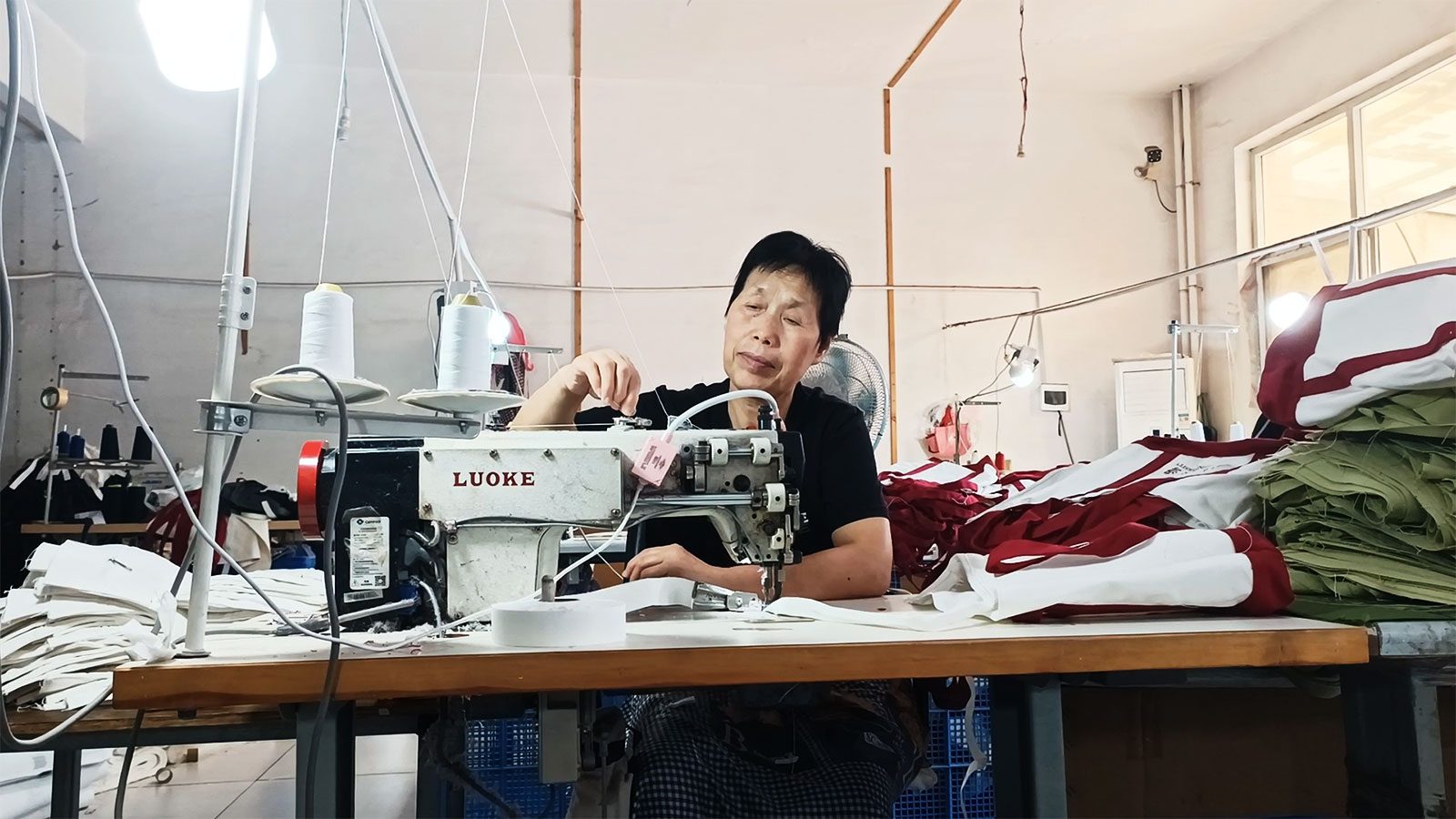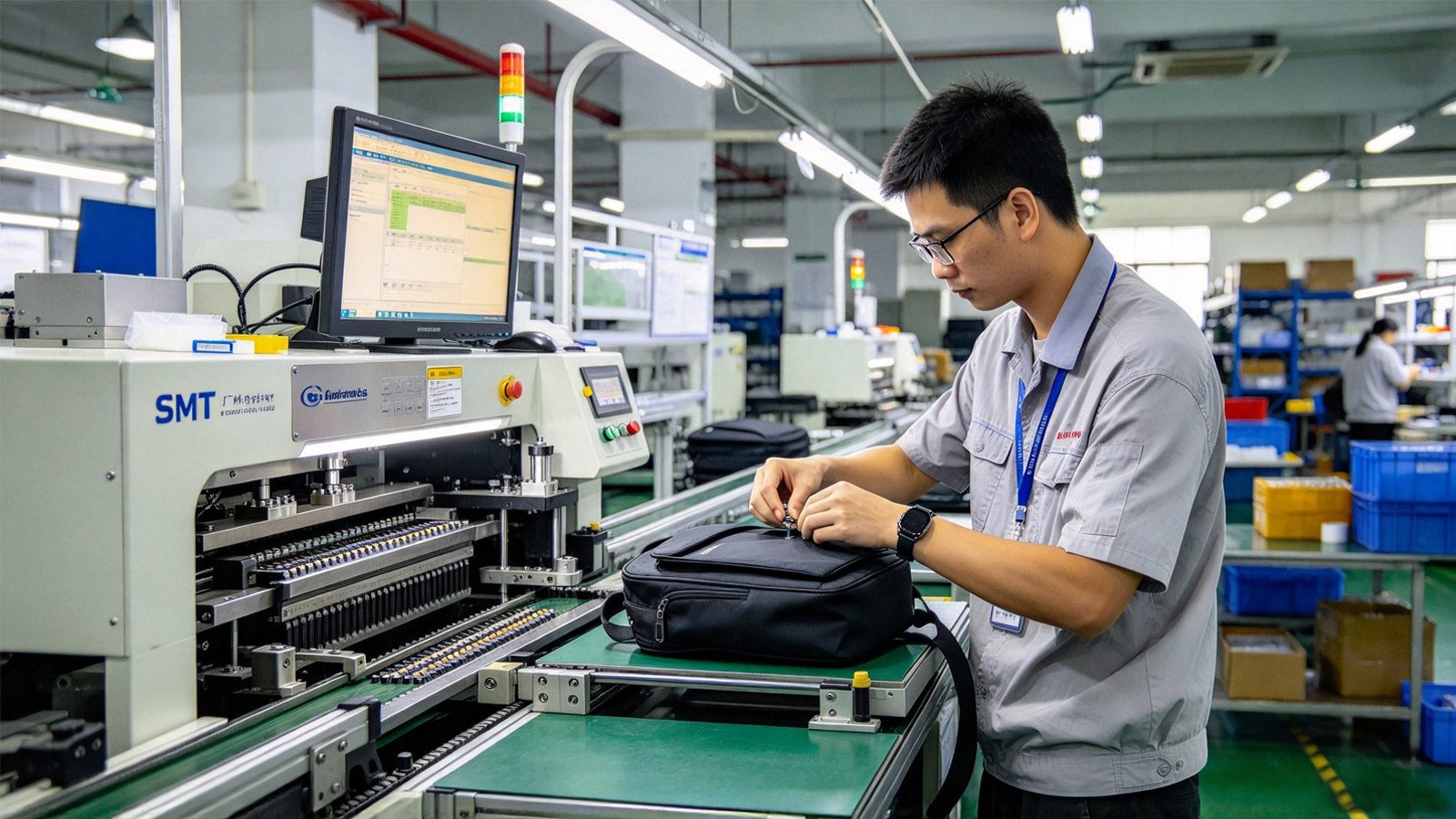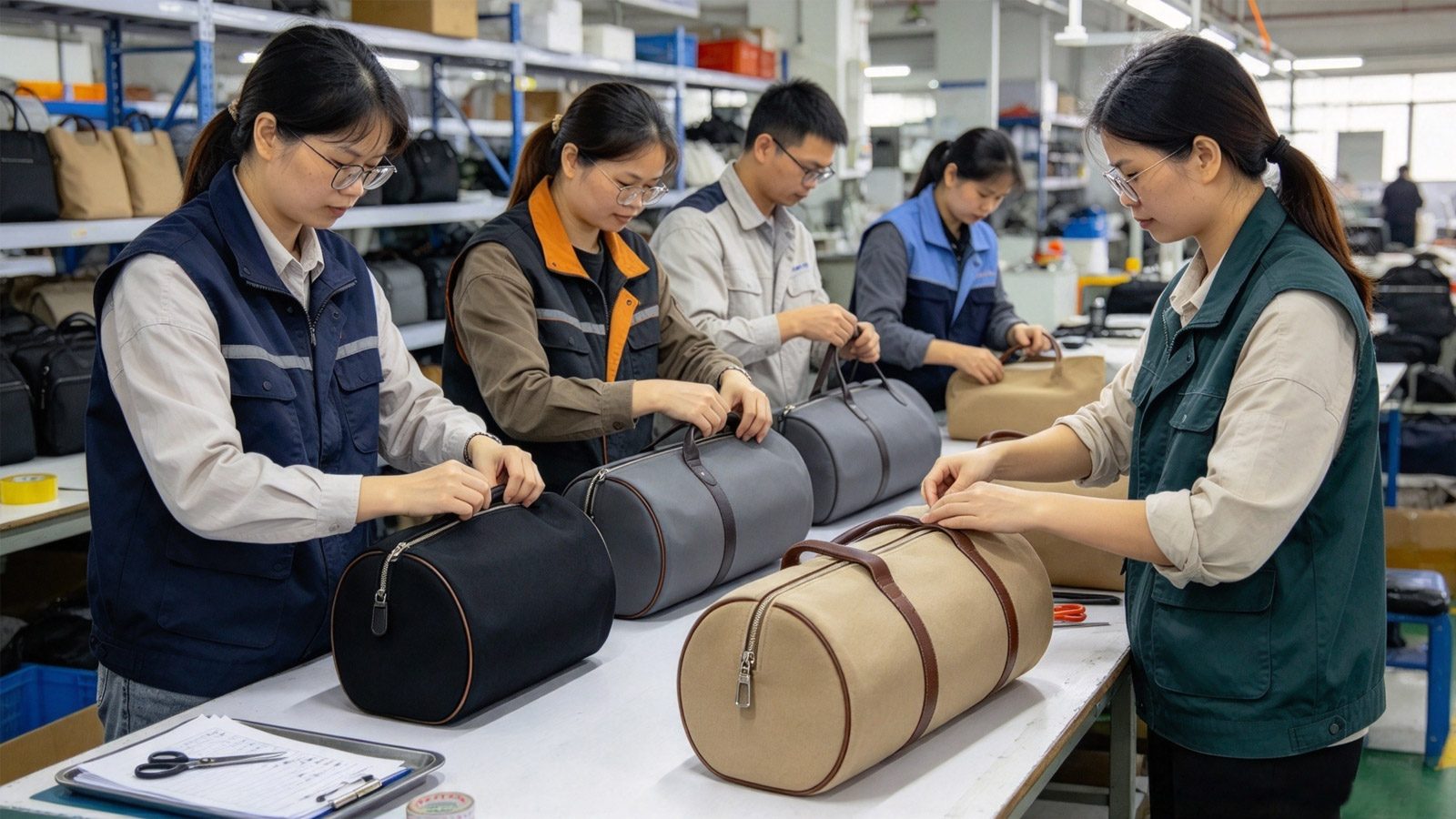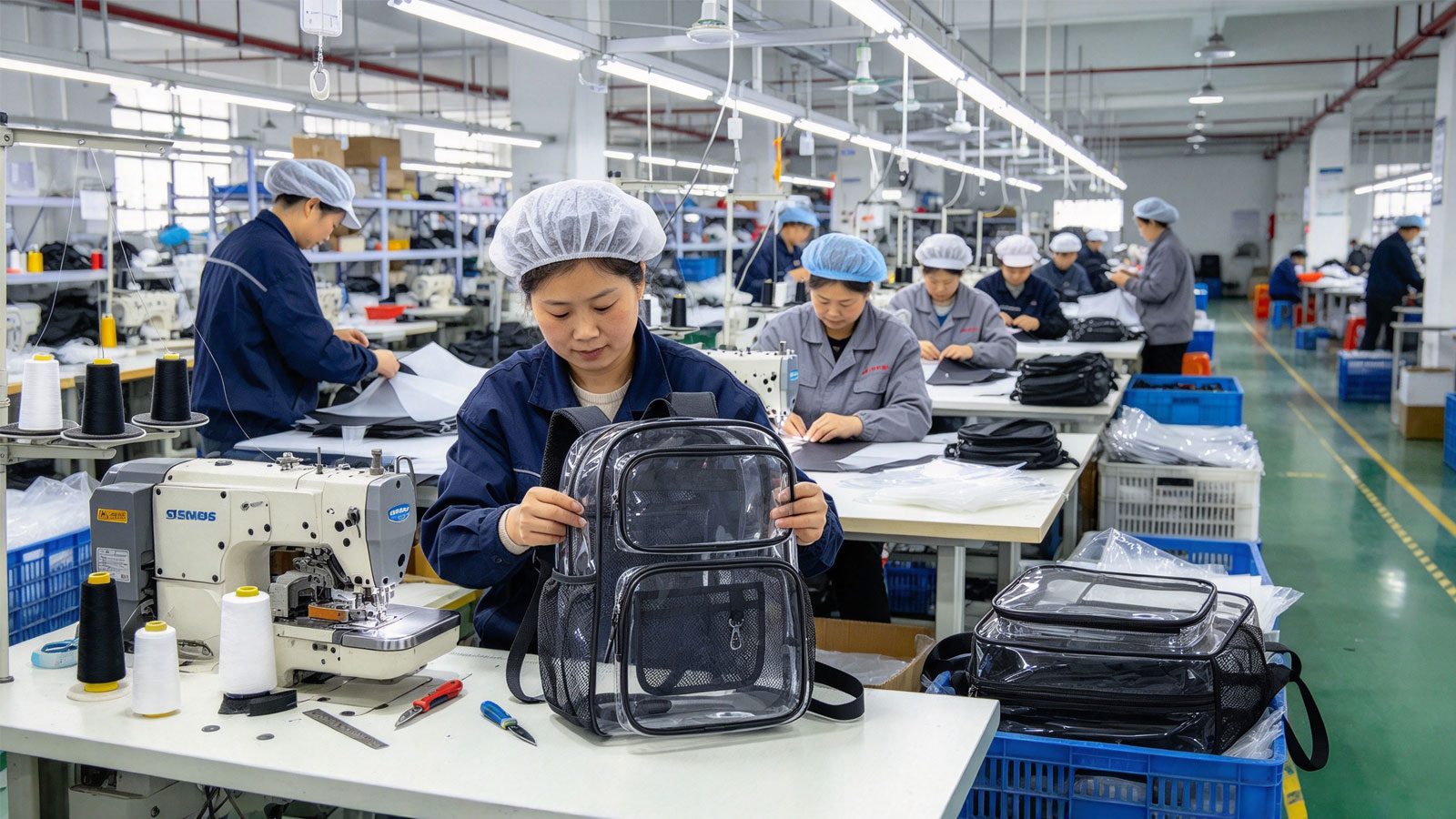
Guangzhou Ceyin Bags Co., Ltd., located in Shiling, Guangdong, specializes in OEM and ODM bag manufacturing. With a capacity of producing around 50,000 units monthly in a 5,000 m² factory, the facility is equipped with over 150 machines to handle complex production demands. The heart of the operation lies in comprehensive in-house R&D and quality checks to ensure each product meets high standards. This controlled environment guarantees precision from the initial design phase to the final delivery. Having ISO 9001 certification, buyers can be assured of stringent quality management practices. Understanding each step of this process clarifies how the factory transforms ideas into tangible, high-quality products.
1. Selecting Materials and Defining Specifications
In the world of OEM bag manufacturing, the selection of materials like polyester, nylon, and canvas is not a trivial decision. Each material offers distinct advantages tailored to specific applications, and understanding their individual characteristics is key to delivering a product that meets client expectations. Polyester, for instance, is often chosen for its durability and water-resistance. Its fabric weight, ranging from 300D to 1680D, plays a critical role in its strength and thickness—300D might be used for lightweight promotional bags, while 1680D suits heavy-duty applications. Nylon, known for its flexibility and abrasion resistance, is a preferred choice for outdoor and sports backpacks. Canvas, appreciated for its natural feel and aesthetic, finds its use in fashionable tote bags.
Focusing on specifications, we ensure that every project starts with a detailed understanding of fabric weight, texture, and intended function. These specifications directly influence the tooling required, impacting the precision in crafting bag components. Our tooling processes must be meticulously aligned to the specified materials, ensuring that markers for cut accuracy and shaping precision are followed to the letter.
Defining customer-specific requirements within the specifications ensures that the final product aligns with the client's vision. This involves detailed discussions around design, functionality, and branding elements like color and logo placements. However, challenges are inherent in this phase. Choosing the wrong material due to unfamiliarity with its characteristics, or inaccurately specifying fabric weight, can lead to suboptimal products.
Material Specifications Table
| Material Type | Denier Range | Key Characteristics | Applications | Challenges |
|---|---|---|---|---|
| Polyester | 300D-1680D | Durable, water-resistant | Backpacks, duffel bags | Cost variation with denier |
| Nylon | 210D-1050D | Flexible, abrasion-resistant | Sport & outdoor gear | Color fading in UV exposure |
| Canvas | NA | Aesthetic, eco-friendly | Tote bags, promotional bags | Heavy when wet |
| RPET | 200D-1000D | Eco-friendly, recyclable | All-purpose bags, eco gear | Limited color options |
Tooling and specifications go hand-in-hand, ensuring the technical capabilities align with desired outcomes. For an in-depth exploration of fabric specifics, see our guide on Understanding the Importance of Fabric Selection in OEM Canvas Tote Bags.
2. Pattern-Making and Prototyping
In the OEM bag manufacturing journey, pattern-making and prototyping stand as pivotal steps. At Guangzhou Ceyin Bags Co., Ltd., also known as SYMPATHYBAG, the in-house R&D team deploys advanced capabilities to transform initial ideas into viable production patterns. This involves utilizing tech-packs or reference samples provided by the client, ensuring that bespoke designs are accurately reflected in physical form.
Pattern-making begins with interpreting detailed tech-packs, which contain specifics about dimensions, fabric type, and unique elements such as additional pockets or logo placements. These documents are critical as they form the blueprint that guides the creation of initial prototypes. The ability to convert these digital or tangible references into executable patterns underscores the facility’s commitment to precision and customization.
Prototypes play an indispensable role in the production process by allowing potential issues to be identified early. By crafting a prototype, SYMPATHYBAG can reveal practical concerns that might not be evident on paper, such as seam integrity under stress or the feasibility of specialized components. Adjustments based on prototype feedback are not only welcomed but essential in minimizing costly errors during mass production.
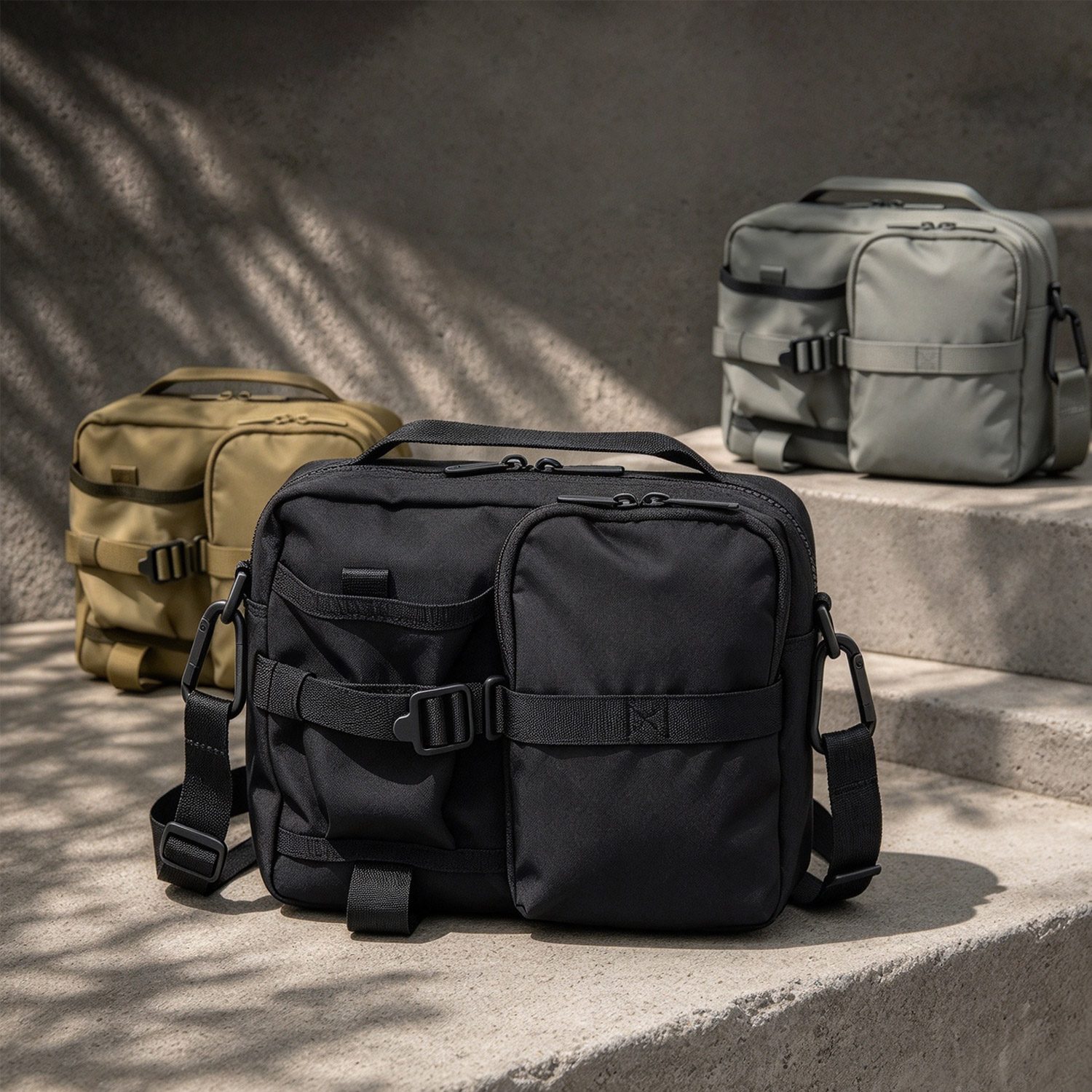
Typically, the timeframe for developing a prototype at SYMPATHYBAG varies depending on the complexity of the design and the detail required by the client. While the development phase can differ greatly, it generally affords a crucial window for making necessary adjustments before commencing full-scale production.
Understanding the intricacies of pattern-making and prototyping, along with a robust system for incorporating client feedback, distinguishes How SYMPATHYBAG Integrates Customization into OEM Bag Manufacturing. By refining these stages, SYMPATHYBAG ensures that the end product not only meets but exceeds client expectations.
3. Production Process: Cutting and Assembling
Precision in cutting is crucial for maintaining the integrity and dimensions of each bag component. At SYMPATHYBAG, we deploy advanced computer-controlled cutting machines that slice through layers of fabric with remarkable accuracy. This precision ensures that every piece fits together seamlessly, minimizing waste and ensuring consistent quality across batches. Whether dealing with 300D polyester or thicker 1680D variations, our cutting equipment handles all fabric types specified in client orders.
The assembly process begins with the alignment and joining of these cut pieces. Operators use industrial sewing machines to stitch the components together, adhering to the exact sequence specified by the prototype. Each stitch type, from chain to lock stitch, serves a purpose based on the bag's design and intended use. This methodical approach is essential for upholding the bag's structural integrity and functionality.
Common Pitfalls in Assembly
Mistakes during assembly can lead to misaligned components or weak seams. Such issues are typically the result of deviations from the specified assembly sequence or speed. To combat this, our teams are trained to follow detailed assembly guides that prevent such errors. Ensuring each worker understands the product’s specific customer requirements is fundamental, where customer feedback may refine the assembly steps.
Integrating Customer Requirements
Custom logos, pockets, and adjustable straps are integrated during the assembly stage through embroidery or heat-sealing techniques. We regularly update our processes to accommodate unique client needs while maintaining efficiency.
Handling Bulk Orders Efficiently
When managing bulk orders, maintaining speed without sacrificing quality is vital. This is achieved through workstation optimization and assembly line balancing, ensuring that each stage operates in harmony. By refining these processes, our facility can scale production without compromising on custom specifications or delivery schedules. For further insights, OEM & ODM Bag Manufacturing in Shiling: What US Buyers Should Know.
4. Quality Control and Testing
A cornerstone of OEM bag manufacturing is rigorous quality control and testing, ensuring each bag meets exacting standards before it reaches the customer. The quality control process, often certified under ISO 9001, comprises multiple stages, each with specific aims and techniques. Adhering to this standard not only validates the manufacturing process but also reassures clients of consistent product quality and safety.
During production, quality testing focuses on critical aspects such as tensile strength and seam integrity. Tensile strength testing, often conducted per ASTM D5034, measures the fabric's ability to withstand tension without tearing. This testing involves stretching the fabric until it breaks and recording the force applied, ensuring it meets specified limits. Seam integrity is another critical test, where each sewn seam undergoes stress tests to check for potential weaknesses that could lead to tearing or seam slippage.
Common defects identified during quality inspections include fabric tears, incorrect stitching patterns, and hardware malfunctions. Each defect requires targeted solutions: fabric tears might necessitate revisiting the raw material selection, while incorrect stitching might call for recalibration of sewing machines and staff retraining. Hardware malfunctions often involve tightening quality checks of incoming components and ensuring proper installation.
SYMPATHYBAG incorporates customer-focused quality assurance practices throughout their operation. This includes frequent inspections at various production stages and a final comprehensive quality check before shipping. Such checks might involve visual inspections for cosmetic defects, functional tests to ensure zippers and snaps operate smoothly, and dimensional checks using calibrated tools.
Through structured quality testing and robust problem-solving practices, manufacturers like SYMPATHYBAG can maintain high standards, delivering consistent product quality and reliability that meet customer expectations.
5. Final Packaging and Logistics
In bag manufacturing, the final packaging stage is essential for both product protection and visual appeal. Guangzhou Ceyin Bags Co., Ltd. offers a range of customized packaging options, allowing businesses to imprint their brands or select materials like eco-friendly or reinforced bags. This customization not only builds brand image but also ensures that products reach their destination safely, with packaging contributing to both aesthetic and functional aspects.
To ensure efficient logistics, SYMPATHYBAG coordinates closely with reputable shipping companies. This collaboration helps streamline the shipping process, optimizing routes for faster delivery and reducing potential delays. The company often schedules logistics with the client’s requirements in mind, allowing for synchronized delivery timelines that cater to specific market launches or promotional events. This attention to scheduling is crucial, as it can significantly impact retailers’ inventory management and ultimately, their sales strategies.
Proper packaging isn't just about aesthetics; it plays a vital role in protecting the product during transit. For instance, a sturdy, well-sealed package can prevent moisture penetration or physical damage, which is critical in maintaining product integrity. Hence, the design and choice of packaging materials are as important as the design of the bags themselves.
Synchronized scheduling and lead-time coordination with customers are of utmost importance in OEM production settings. After all, an accurate delivery schedule supports planning and prevents inventory pitfalls for retailers. While SYMPATHYBAG does not promise specific lead times without first evaluating project specifics, they assure clients of timely updates and flexibility in response to evolving needs.
Packaging logistics thus complete the OEM manufacturing process, influencing how end consumers perceive and receive the product, bridging production with the final user satisfaction. Without efficient logistics and carefully chosen packaging, even the most well-crafted bags could fall short of customer expectations.
6. Potential Challenges and How They Are Addressed
Managing potential challenges effectively is a critical part of OEM bag manufacturing. Supply chain disruptions are a common headache; they can stem from delayed raw material arrivals to logistical hold-ups. At Guangzhou Ceyin Bags Co., Ltd., we mitigate these risks by maintaining a robust network of local and international suppliers, ensuring backup plans to keep the workflow uninterrupted. When a disruption is anticipated, early communication with clients to reset expectations is crucial. This transparency aids in adjusting project timelines and maintaining client trust.
Handling design changes mid-production is another common issue, often requiring halts in manufacturing to integrate adjustments. We manage this flexibly by having agile production methods and experienced staff who can pivot as needed based on client feedback. However, this is a time-sensitive process; every change is carefully evaluated to avoid unnecessary delays and increase in costs.
Consistency across large volumes can be challenging but is essential to maintaining quality. At SYMPATHYBAG, batch control and frequent quality assessments ensure each unit meets specified standards. Customization adds another layer of complexity; however, in-line checks are performed to guarantee uniformity despite order size.
To maintain quality adaptively, SYMPATHYBAG employs stringent in-line inspections at each production phase. This proactive approach allows immediate identification and rectification of defects, preventing errors from carrying forward into later stages and affecting the entire batch.
Lastly, when setbacks occur, clear communication with clients is paramount. Honest updates on delays or design alterations and offering solutions reflect reliability. For overseas buyers, maintaining a clear line of communication via regular updates and virtual meetings ensures that any negative impact on project timelines is minimized. This dialogue not only supports problem-solving but also strengthens client relationships.
What to Confirm Before Starting Your Project
Before launching into the manufacturing process, confirm a few critical prerequisites. First, ensure all product specifications are clearly communicated to the supplier to avoid misunderstandings later. Verify that Guangzhou Ceyin Bags Co., Ltd.'s capabilities align with your project needs in terms of material selection, customization options, and factory capacity. Align on realistic timelines and cost expectations to prevent future hiccups. Lastly, double-check the supplier's proven record through certifications and case studies. This groundwork ensures smooth collaboration from start to finish.