Most companies believe that submitting a generic request for custom school backpacks to OEM manufacturers is enough to start the ball rolling. The reality is that incomplete or vague requests often lead to delays and unsatisfactory quotes. To avoid these pitfalls, it's essential to prepare a detailed checklist tailored to each manufacturer's capabilities. Guangzhou Ceyin Bags Co., Ltd., for example, operates with specific parameters that influence the response time and quote accuracy. Knowing what to include in your initial request can dramatically streamline the process and get your project off on the right foot. This guide will explore why many requests encounter issues and how to ensure your inquiry stands out.
Common Causes of Slow or Vague Replies
Generic requests. A common issue buyers face when sourcing custom school backpacks is sending out generic requests. Without specific details such as dimensions, fabric types, or intended use, these requests can lead manufacturers to provide broad or non-specific replies that don't meet the buyer's expectations. This lack of detail makes it challenging for manufacturers to generate precise quotes or timelines, leading to communication hiccups.
Incomplete information. OEM manufacturers rely on detailed inputs to craft accurate quotes. When essential information like order quantity, custom design requirements, or color preferences is missing, it becomes nearly impossible for factories to estimate the scope and cost of the project accurately. This lack of clarity is often the root cause of delays, as back-and-forth communication is required to fill these gaps, significantly dragging out response times.
Unclear specifications. Misunderstandings in material and design needs are another culprit of slow responses. For instance, if a buyer requests "durable fabric," manufacturers are left guessing whether they want heavy-duty polyester, Cordura-type nylon, or something else entirely. Defining materials by specific standards like 300D polyester or ripstop fabric can eliminate ambiguity and reduce the back-and-forth often required to clarify vague requests.
Misalignments in expectations. Often, the buyer's design expectations do not align with the manufacturer's capabilities, causing discrepancies in communication. For example, requesting intricate embroidery without understanding machining limitations can result in delays or vague responses as the manufacturer seeks clarification on achievable outcomes.
For more guidance on improving communication with OEMs, see our guide on Critical Insights on OEM School Backpacks in Guangzhou.
A proactive approach in providing detailed, clear, and realistic specifications can mitigate these issues, resulting in faster, more accurate replies from manufacturers, effectively streamlining the entire sourcing process.
Preparing Your Detailed Checklist
When crafting a detailed request for custom school backpacks, specificity is your strongest ally. To ensure a smooth and effective process, outline the following critical elements in your checklist:

Dimensions. Begin with exact sizes—length, width, and depth—tailored to accommodate school essentials like books and laptops. These details help manufacturers create precise patterns, minimizing errors.
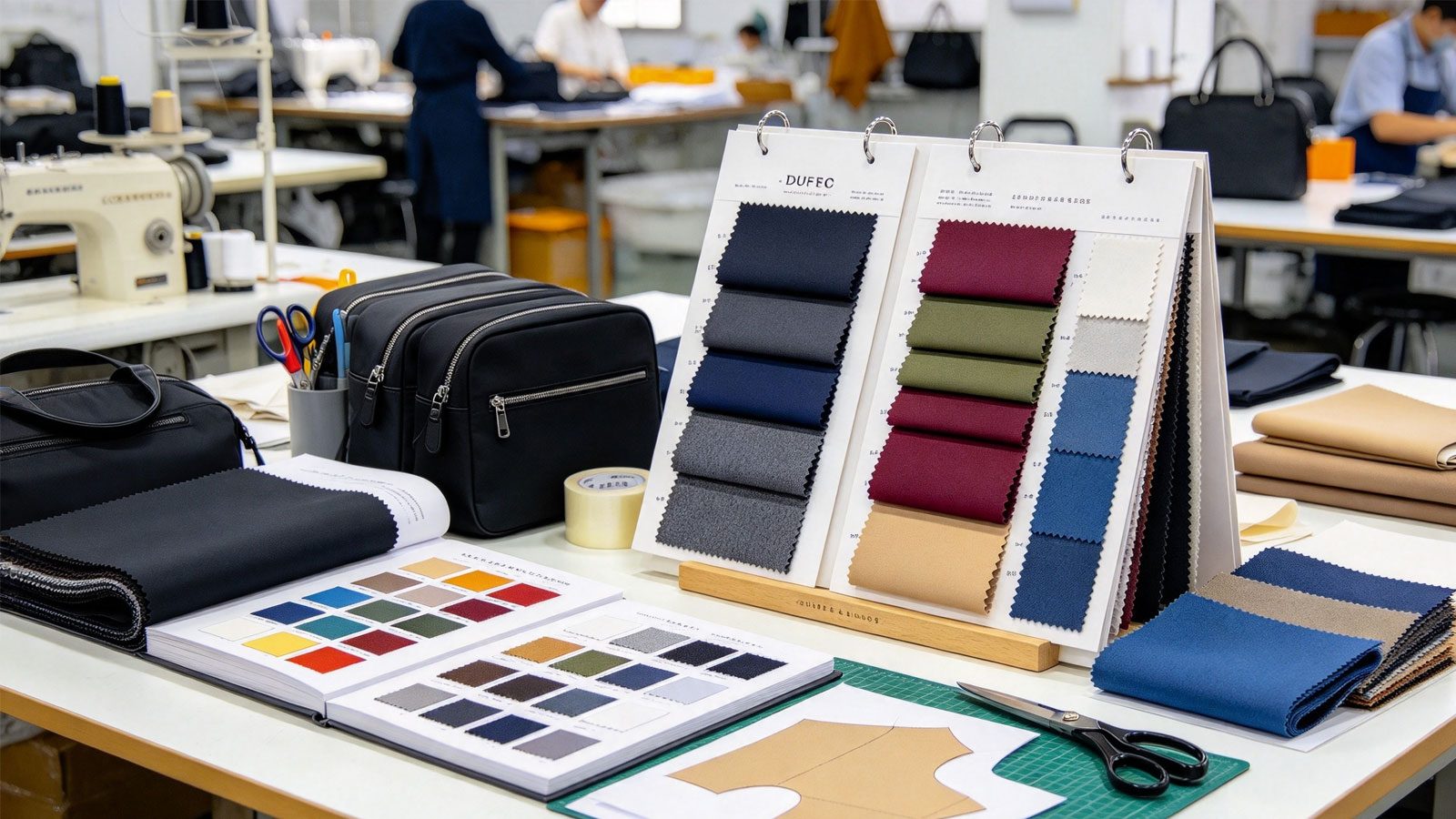
Materials. Specify the type of fabric, such as 300D to 1680D polyester or Cordura-type nylon, based on durability and cost. Include the lining and stitch type. This choice affects both the backpack's strength and final cost.
Quantity. Clearly state the order volume. Larger orders can leverage economies of scale but require careful planning to match demand needs.
Compliance Standards. List any required standards, like CPSIA or California Prop 65 compliance, to meet regional safety regulations. This ensures your backpacks are safe and market-ready.
Custom Design Features. Highlight unique elements such as logo placements, additional pockets, or custom color schemes. Clearly detailed features prevent costly revisions later.
Timeline for Sample Production and Delivery. Define when you expect sample delivery. This assists in managing your supply chain timelines and sets mutual expectations.
Key Considerations for Custom Backpack Requests
| Item | Specification | Importance | Impact on Quote |
|---|---|---|---|
| Dimensions | Exact length, width, and depth specifications | Ensures accurate pattern making | Dictates cutting and sewing efficiency |
| Materials | Type of fabric and linings | Affects durability and market positioning | Influences base material and manufacturing costs |
| Quantity | Exact number of units | Critical for pricing and production planning | Larger orders may benefit from reduced unit costs |
| Compliance Standards | Required certifications such as CPSIA | Necessary for legal and safety approvals | Impacts additional testing and documentation costs |
| Custom Design Features | Detailed description of unique elements | Essential for visual and functional differentiation | May increase development time and complexity |
| Timeline | Specific delivery schedule | Important for integrating with other project deadlines | Influences priority setting in production queues |
Ensuring these details are meticulously noted is pivotal for a streamlined production and accurate quoting process.
How Each Item Influences Your Quote
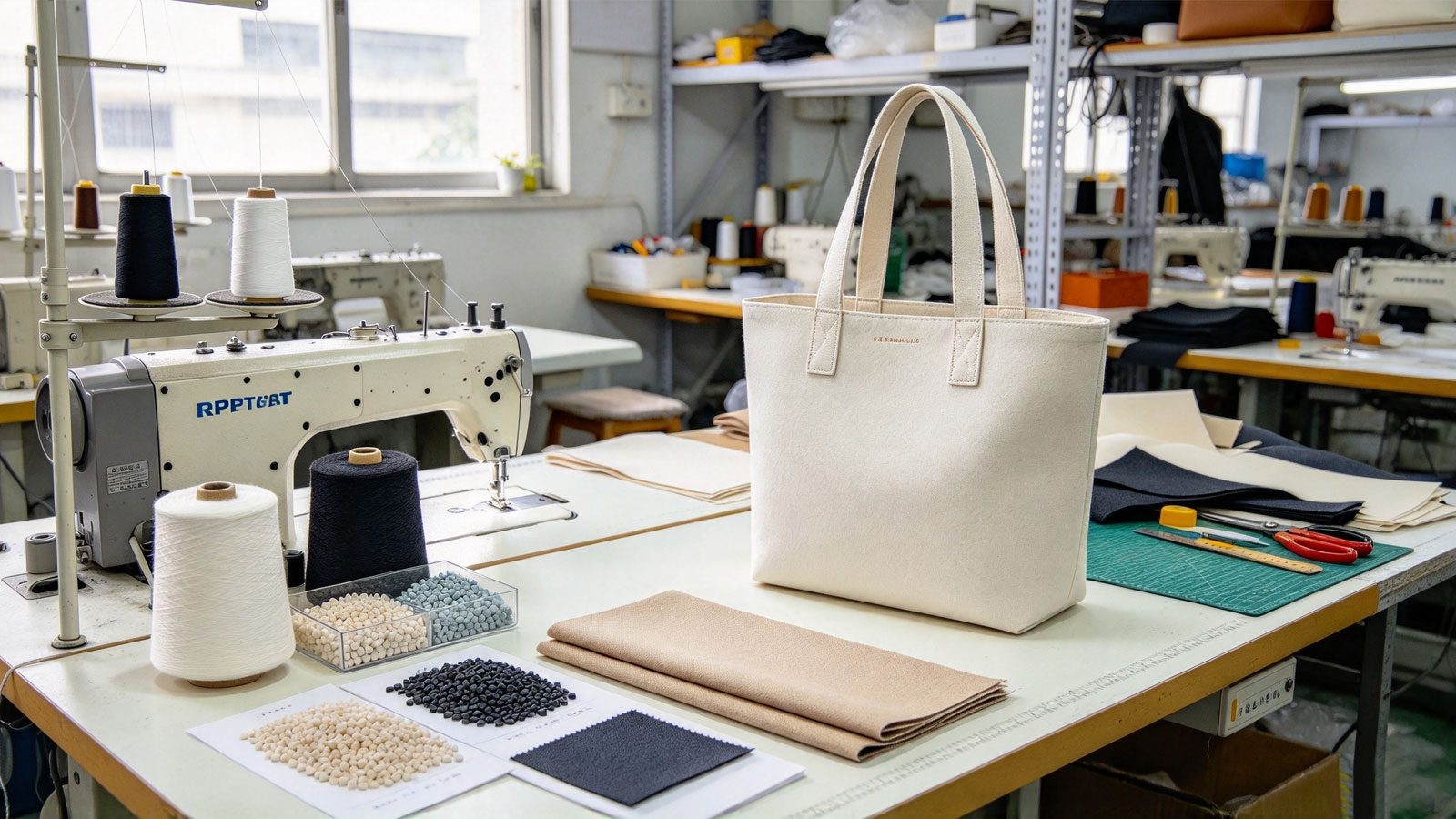
Material choices. Selecting materials such as polyester, nylon, or recycled RPET will significantly impact cost estimates. For instance, premium materials like Cordura can increase expenses due to their durability and brand reputation, whereas standard alternatives such as 600D polyester are more cost-effective. Keep in mind that each material comes with its specific handling and processing requirements, affecting both cost and manufacturing complexity.
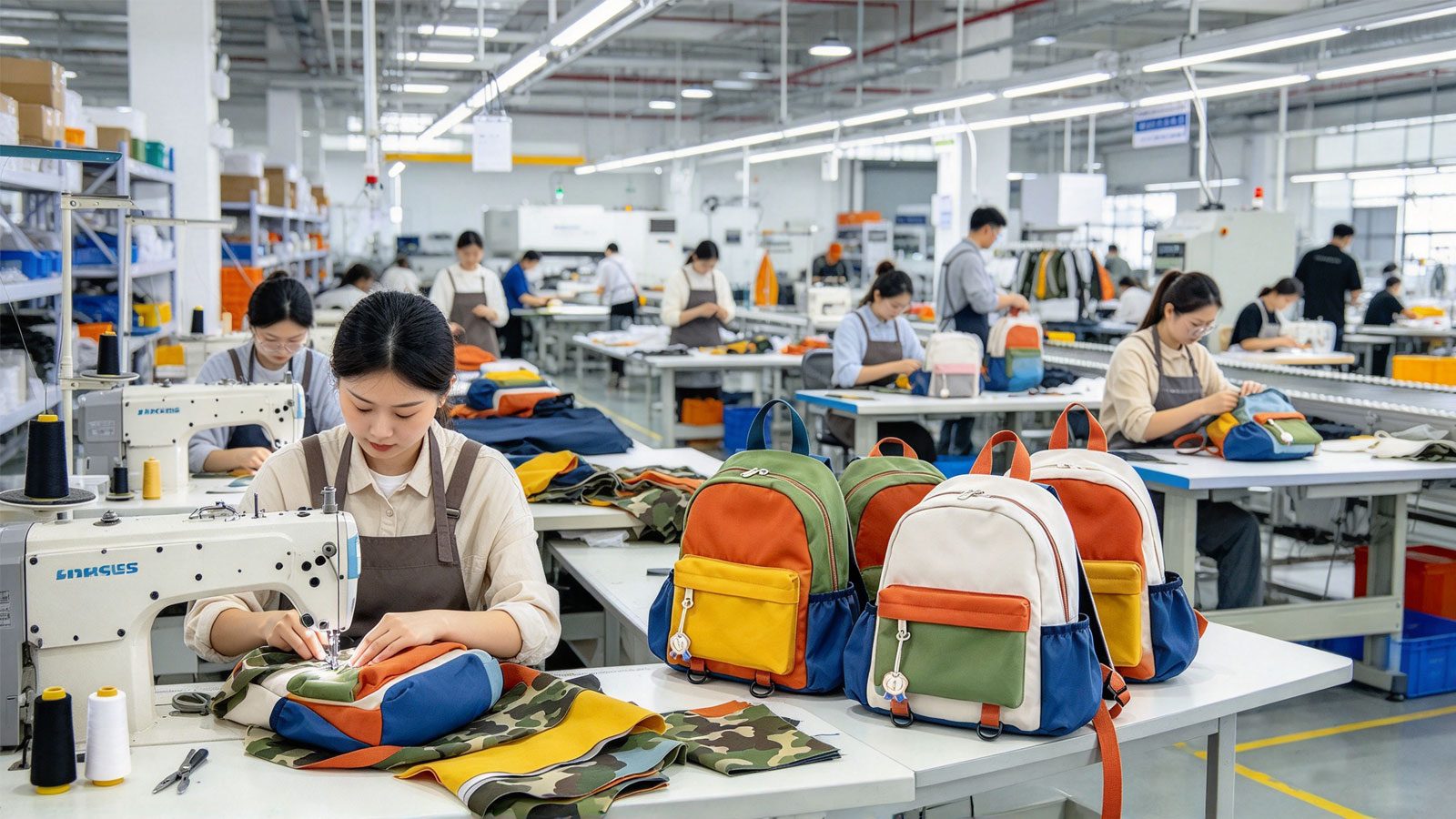
Design complexity. Intricate design features like custom embroidery, additional compartments, or ergonomic enhancements can extend lead times. Complex designs often require more sophisticated machinery setups or additional manual processes, which naturally add to both time and labor costs. Make sure to balance design aspirations with a realistic assessment of time-to-market constraints.
Order volume. The quantity you intend to order directly affects unit pricing. Typically, higher volumes can reduce the cost per unit as manufacturers benefit from economies of scale. However, low-volume orders might carry higher unit prices due to underutilization of production capacity and the relative rise in fixed costs against fewer units.
Certification needs. Compliance with standards such as CPSIA or California Prop 65 involves additional testing and verification processes, affecting overall production costs and timelines. Factoring these into your initial request is critical, as overlooking certification requirements might lead to unexpected costs later in the process.
Example Filled-In Checklist
When composing a request for custom school backpacks, specificity is key to efficiency and accuracy in the quotation process. Here's a detailed example for crafting such a request, pointing out common pitfalls and corrections to help refine your communication.
Dimensions and Structure. Instead of a vague “standard size backpack,” specify: “Dimensions 18 x 12 x 5 inches, with a reinforced bottom and a front pocket with a 3-inch gusset.” This removes ambiguity, ensuring your expectations align with the manufacturer's capabilities.
Materials and Hardware. Avoid imprecise terms like “high-quality materials.” Be specific: “600D polyester fabric for durability, YKK zippers for reliability, and padded adjustable straps for comfort." Selecting materials upfront helps in accurate cost estimation, crucial for Checklist for Sourcing Customizable Travel Backpacks for Canadian and European Airlines.
Design Features. An unclear request such as “a colorful design” can lead to misinterpretation. Instead, specify: “Pantone 292C-based color scheme, with school emblem embroidery (4x4 inch) centered on the back panel.” Precision here ensures swift prototype approval.
Quantity and Delivery Timeline. Requests like “as soon as possible” don't provide a solid base for scheduling. Clarify: “Order of 1,000 units, delivery desired 8 weeks post-sample approval.” Defining quantities and timelines upfront aids in aligning production schedules and managing logistic expectations.
Certification and Compliance. Simply stating, “Comply with necessary regulations,” can be too open-ended. Instead, specify: “Meet CPSIA standards and California Prop 65 requirements.” This precision helps avoid compliance issues and ensures the backpacks’ safety features are up to the standard.
This detailed approach eradicates common mistakes found in vague specification requests, ensuring a more accurate and efficient manufacturing process. Being explicit about your requirements not only streamlines communication but also enhances the accuracy of quotes, timelines, and ultimately, product quality.
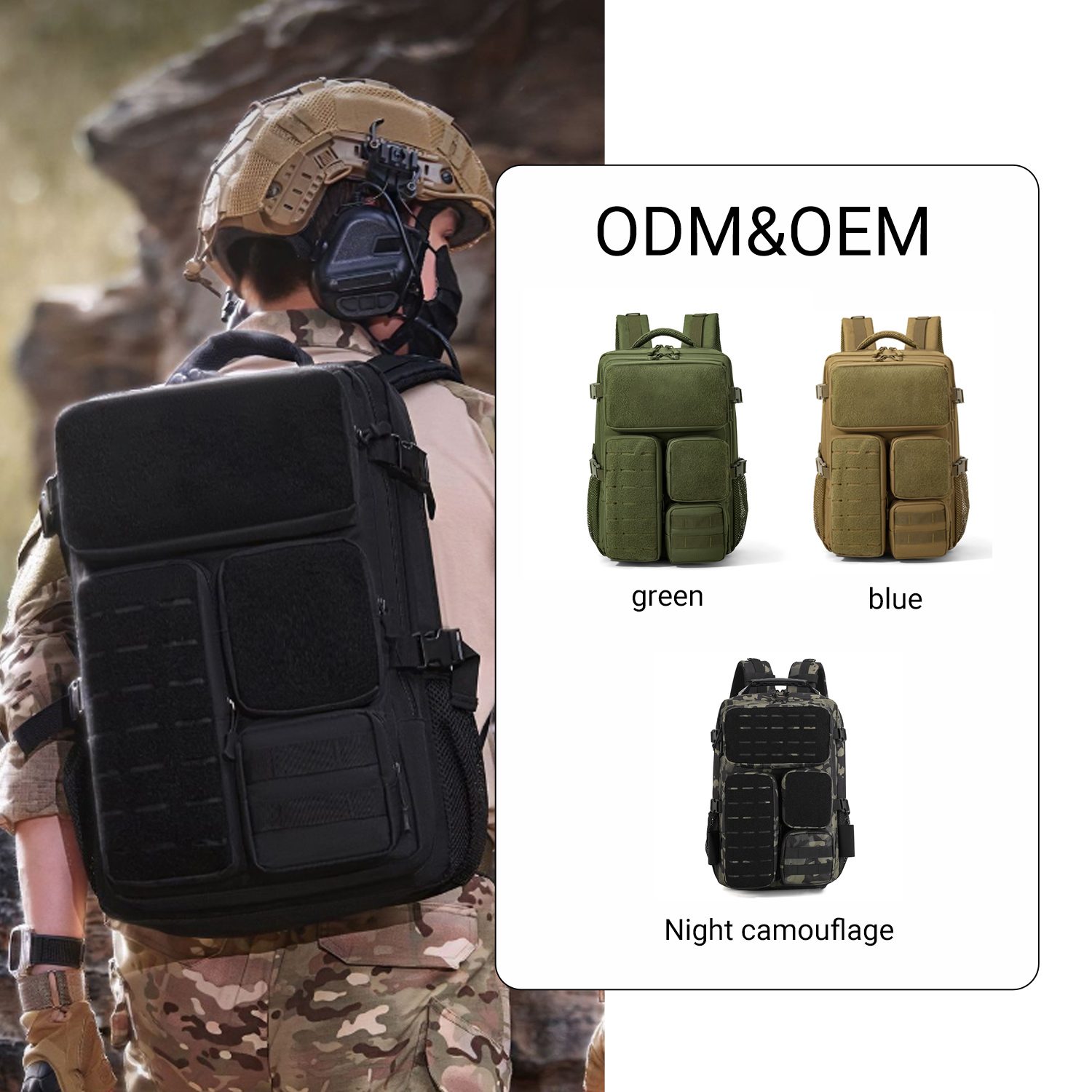
What Happens After You Send the Checklist
Once you've sent a well-prepared checklist to an OEM manufacturer for custom school backpacks, the response is typically more structured and timely compared to vague or incomplete requests. Manufacturers respond with detailed quotes that clearly outline costs, materials, and timelines based on your provided specifications.
Initial sample creation. The initial stage often involves creating a sample that aligns with your checklist. This sample serves as a prototype, reflecting dimensions, material quality, and design specifics you've requested. Be prepared for a back-and-forth exchange as the manufacturer might propose slight adjustments due to material availability, durability considerations, or cost factors.
Communication checkpoints. Effective communication is pivotal throughout this process. You’ll encounter several critical communication checkpoints with the supplier, such as confirming material substitutions, finalizing color matching, and aligning on custom hardware selections. Moreover, it's important to maintain an open line for any queries from either party to avoid misunderstandings.
Timeline expectations. Once the particulars are agreed upon, manufacturers typically provide a timeline for sample creation and eventual mass production. Expect to receive an accurate quote that reflects detailed cost breakdowns and production schedules. For well-prepared requests, quotes are often ready within a few business days, but this can vary based on order complexity and current factory workload. Generally, sample creation might take one to three weeks, followed by evaluations and further revisions if necessary.
Overall, an organized checklist results not only in faster response times but also lays down a blueprint for effective collaboration, ensuring that both the buyer and manufacturer are on the same page from the onset of the project.
Ensuring Your Inquiry Leads to Successful Collaboration
Crafting an effective inquiry is crucial for laying the groundwork for a fruitful partnership with your backpack manufacturer. The clarity of your initial communication sets the tone. Clarity in communication involves stating your requirements with precision—think materials, dimensions, and anticipated order volume. When suppliers comprehend your precise needs upfront, they're better equipped to provide realistic timelines and accurate cost estimates, fostering trust and reducing the risk of costly misunderstandings down the road.
Building relationships through effective inquiries further aligns business objectives. An inquiry that articulates specific needs opens the door to constructive dialogue, offering your supplier the chance to suggest improvements or alternatives you might not have considered. This collaborative approach facilitates a smoother path from concept to delivery, embedding flexibility into the manufacturing process and allowing you to adapt swiftly to market changes. As suppliers are more likely to invest their resources in attentive service when they sense a potential for long-term cooperation, clear, well-thought-out communications are a game changer.
The role of detailed requests in timely production cannot be overstated. An inquiry lacking detail risks delays due to the back-and-forth needed to clarify ambiguities. With precise detail from the outset, such as sourcing GRS-certified recycled (RPET) materials, the production phase can be orchestrated seamlessly. Suppliers, like Guangzhou Ceyin Bags Co., Ltd, with a robust in-house development system, can efficiently plan their workflows around your needs. This ensures that projects remain on schedule, contributing to meeting your market deadlines effectively. By initiating with a comprehensive request, you lay the groundwork for efficient processes and optimal outcomes.
For more on navigating this crucial stage, see Choosing the Right ODM Manufacturer for Custom Backpacks in Guangzhou. Here, you'll find insights into selecting the appropriate partner to meet your customization needs efficiently.
FAQ: Improving OEM Backpack Requests
A thoughtful OEM request sets the stage for a smoother collaboration with manufacturers like SYMPATHYBAG. To ensure your requests are processed swiftly and accurately, clarity is key. Start by thoroughly detailing your desired backpack features—dimensions, materials, and certifications. The more specific you are at the outset, the better your chance of gaining a precise quote. Once you've outlined all required details, the next vital step is prompt follow-up after inquiry submission. Engage actively with your manufacturer to confirm receipt and clarification of any ambiguities. Clear communication lays the foundation for a robust supply partnership and timely delivery of your custom school backpacks.
FAQ: Improving OEM Backpack Requests
What specific information should I include in my initial request?
Be sure to include the backpack dimensions, material specifications, order quantity, desired timeline, and any certification requirements. The more precise your details, the more accurate and timely the supplier can provide a quote.
How can I speed up the response time from an OEM manufacturer?
Ensure your inquiry is clear and concise, containing all necessary specifications. Following up with the manufacturer to confirm receipt and clarify any concerns can also help expedite the response process.
What are the common errors in OEM backpack requests?
Common errors include missing details on materials, vague design specifications, incorrect dimensions, and not addressing certification needs. These can delay the quote and lead to unsuitable samples.
How does order volume affect my quote?
Order volume significantly influences the unit price, as higher quantities often lead to discounted rates. Discuss the MOQ with your supplier to better understand your pricing thresholds.