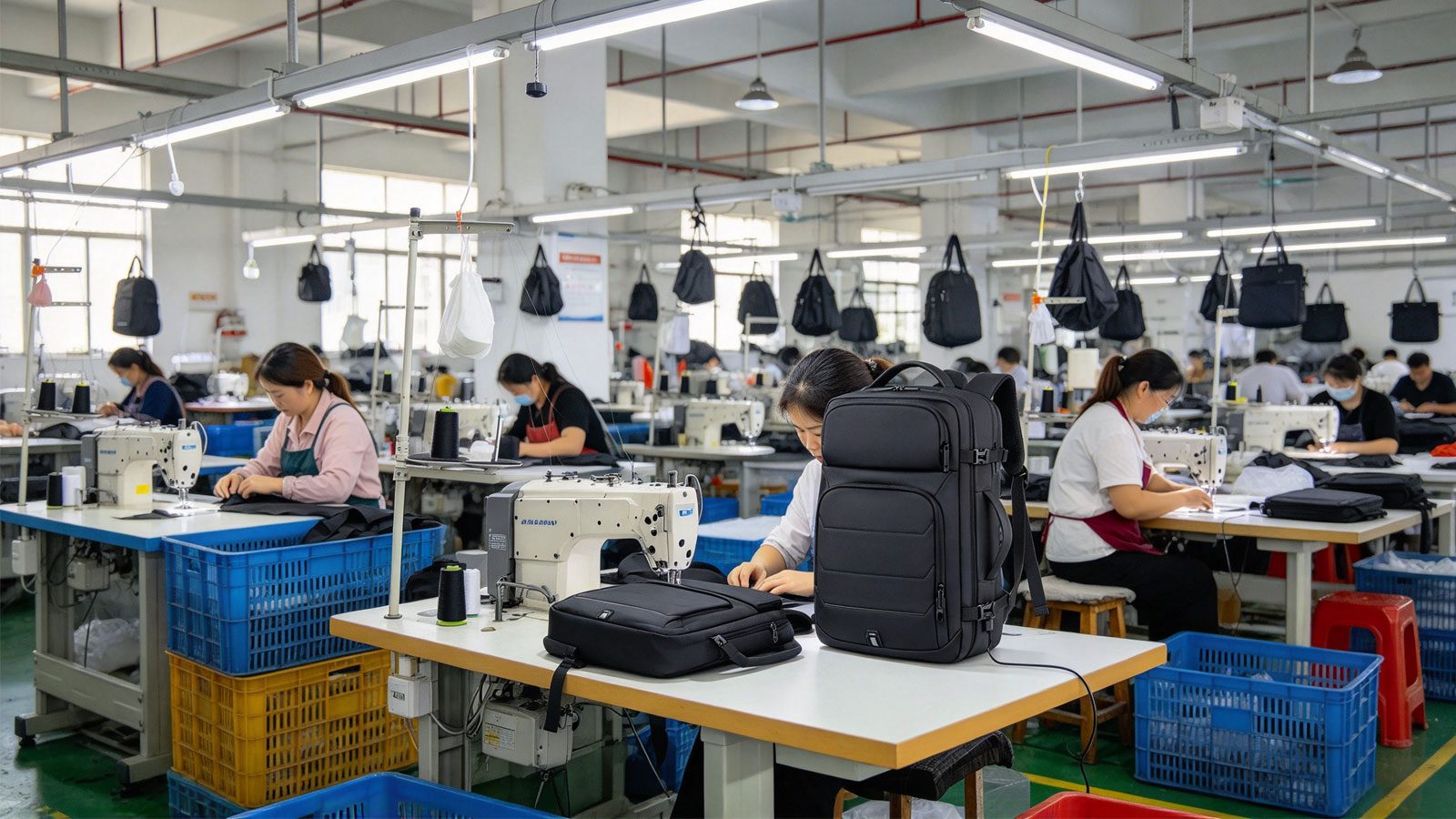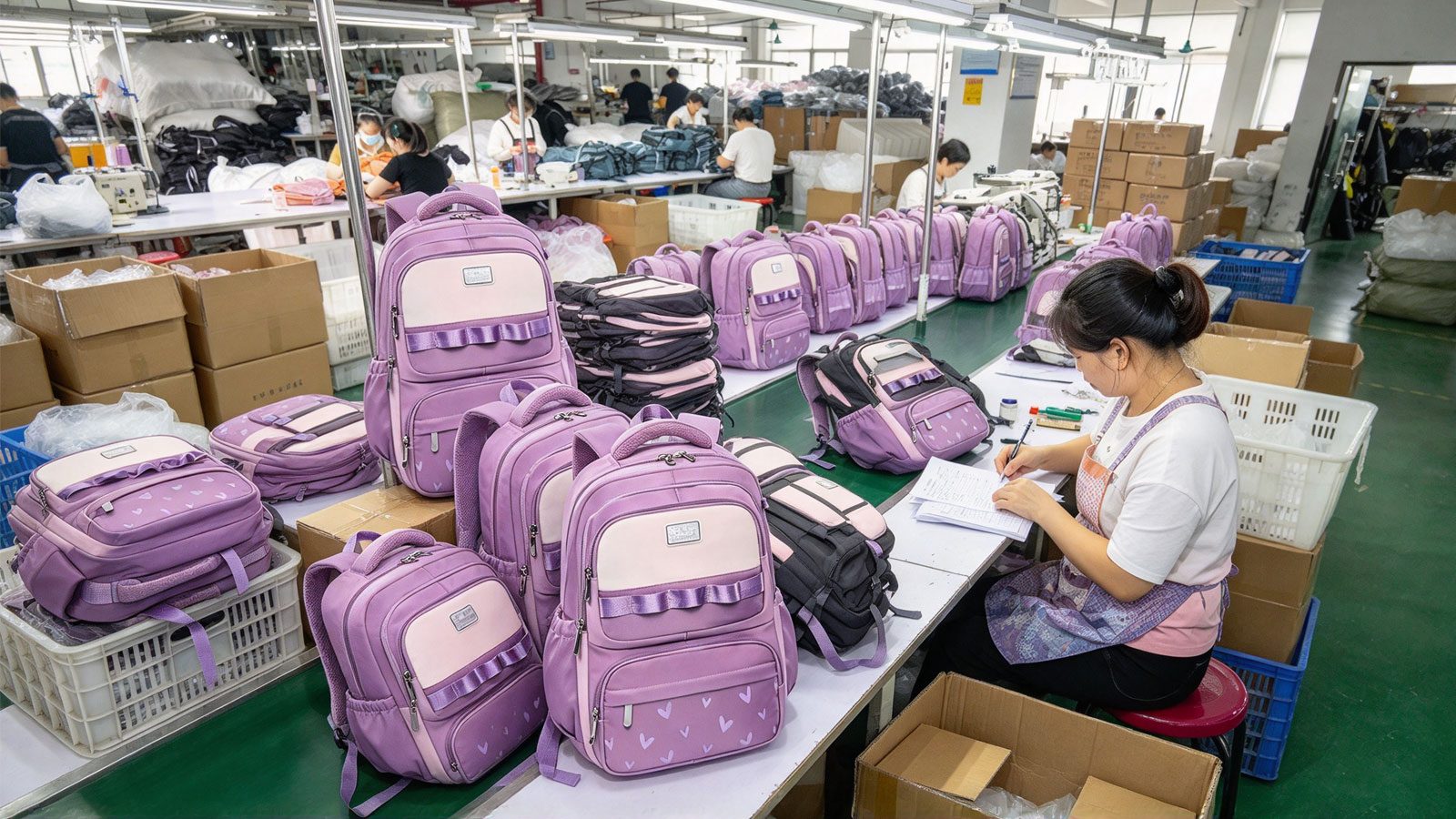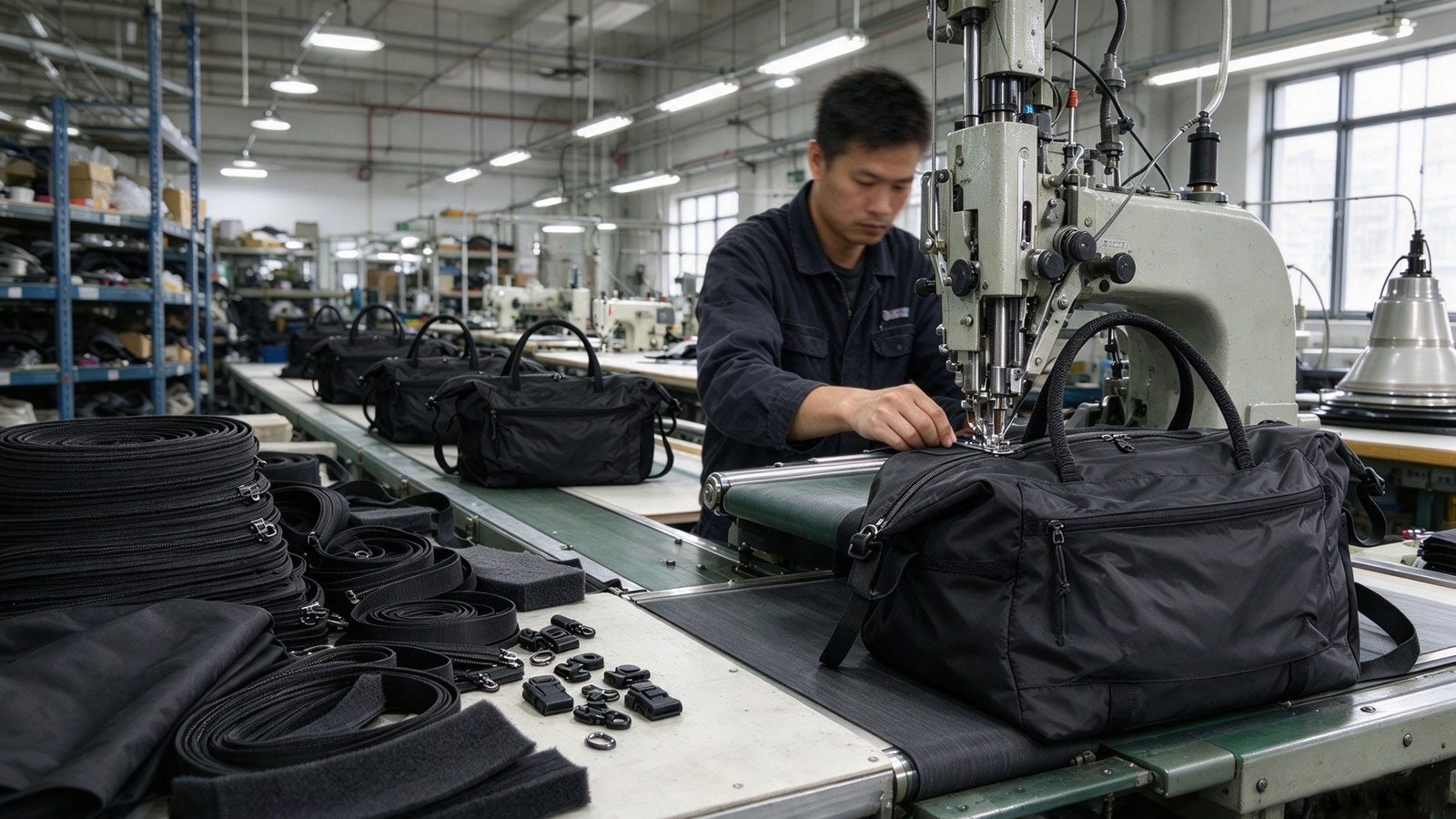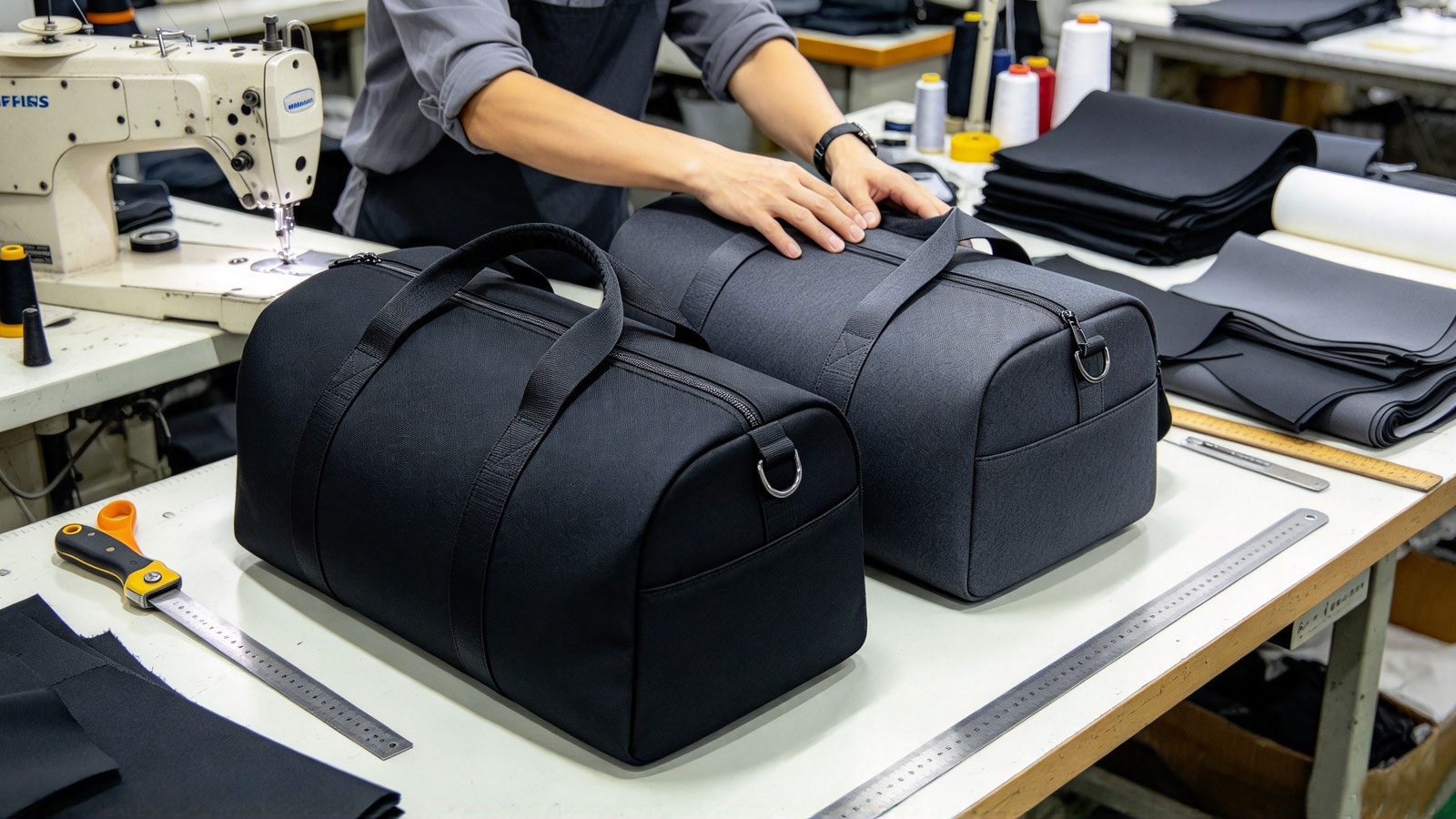
Selecting the right materials for custom duffel bags involves weighing pros and cons, including durability, cost, and sustainability. For instance, a common trade-off is between nylon's resilience and recycled polyester's eco-friendliness. For heavy-duty uses, Cordura nylon provides excellent abrasion resistance, whereas GRS-certified RPET is ideal for brands seeking a sustainable option. Each material offers unique benefits and limitations, influencing not just the bag's performance but also its market appeal and environmental impact. Guangzhou Ceyin Bags Co., Ltd. specializes in these customizations, helping brands find the perfect balance between function and eco-consciousness. By understanding how different materials stack up, you can make a well-informed choice that aligns with your brand priorities and customer expectations.
The Key Decision Factors for Material Selection
Durability is paramount when selecting materials for custom duffel bags. A bag that fails under regular use can tarnish a brand's reputation. For instance, nylon's high tensile strength makes it ideal for high-wear applications, whereas softer materials like cotton may not hold up against repeated stress. However, each choice impacts the bag's lifespan, making it essential for manufacturers to consider the typical uses their bags face.
Cost is another crucial factor. While higher-quality materials often come with a steeper price tag, the trade-off usually means better performance and longevity. Opting for a material like premium Cordura nylon might raise initial costs, but it often results in increased durability, which can translate to long-term savings. Businesses need to weigh these costs against the performance benefits and decide what aligns best with their budget constraints and quality expectations.
Sustainability has swiftly become a significant consideration in material selection, influencing brand image profoundly. Using recycled materials, such as GRS-certified RPET, appeals to environmentally-conscious consumers and can enhance a brand’s market position as eco-friendly. While sustainable options might sometimes pose limitations, their positive impact on brand perception often outweighs the drawbacks.
Specific Use-Case Scenarios
The end-use of the duffel bags heavily influences material choice. For instance, bags intended for outdoor activities might require materials known for water resistance and sturdiness, whereas travel bags may prioritize lightweight and ease of packing. Each scenario dictates a set of material characteristics essential for satisfactory performance.
Supply chain and material sourcing pose challenges that cannot be overlooked. Ensuring a steady, reliable supply of chosen materials requires robust supplier relationships and contingency plans to manage disruptions. Manufacturers must also account for lead times and sourcing locations to maintain efficient production schedules.
Where Nylon Outshines Other Materials
Nylon stands out as a top choice for custom duffel bags due to its ability to endure high tensile stresses and resist abrasion. With a tensile strength rating often exceeding 55 MPa, nylon can withstand substantial weight without tearing, making it ideal for bags that frequently endure heavy loads or rough handling. This resilience ensures the longevity of the bag even under strenuous conditions, which is a key determinant for durability-focused buyers.
From a practical standpoint, nylon is lightweight, facilitating ease of transport. A duffel bag crafted from nylon can weigh as much as 30% less than a similar bag made from heavier materials like canvas, aiding in portability without compromising strength. For outdoor or travel enthusiasts, this lighter weight translates to greater mobility, which is crucial for long treks or when traveling light.
Water resistance is another area where nylon excels. Naturally hydrophobic, nylon repels water to a significant extent, and when coupled with coatings like polyurethane or silicone, it offers enhanced protection against rain and splashes. This makes it particularly advantageous for duffel bags used in unpredictable weather conditions or for water-related activities.
Nylon’s versatility extends to its adaptability in accommodating various textures and finishes, allowing for a diverse range of customization options. Whether it’s a sleek gloss or a rugged, matte finish, nylon can be tailored to meet specific aesthetic and functional needs.
However, despite these merits, nylon can be cost-prohibitive compared to other alternatives like polyester. The higher raw material cost often translates into a more expensive end product, which can deter budget-conscious buyers. Thus, while its strengths are undeniable, nylon may not always be the best financial choice unless durability and specific functional requirements take precedence over cost considerations.
The Advantages of Recycled Polyester (RPET)
Recycled Polyester (RPET) offers several compelling environmental advantages that make it a preferred choice for eco-conscious brands. By utilizing post-consumer materials like PET bottles, the production of RPET reduces landfill waste and decreases dependency on virgin petroleum resources. This recycling process generally consumes less energy compared to the production of conventional polyester, helping lower the overall carbon footprint of the fabric. This aligns RPET with certifications such as the Global Recycled Standard (GRS), ensuring that the material complies with set environmental and social criteria.
Consumer demand for sustainable products is growing, and RPET is often more cost-effective than traditional polyester, especially when scaled production reduces per-unit costs. The market for recycled materials continues to expand, creating more competitive pricing and enhancing accessibility. However, it is important to note that while RPET saves costs on the environmental front, it may be priced slightly higher than conventional polyester depending on the source and processing method.
In terms of aesthetic versatility, RPET offers a wide range of textures and appearances, from smooth and shiny finishes to more natural and muted tones. This flexibility caters to various design needs and consumer tastes, making it ideal for products like duffel bags where appearance is key. However, one limitation is that RPET typically falls short of nylon in strength and durability. Its tensile strength may not suffice for heavy-duty applications where maximum resistance is required.
The flexibility and eco-friendliness of RPET make it a wise choice for brands looking to promote sustainability without sacrificing style. For more on how RPET and other eco-friendly materials can enhance your product offerings, explore our Eco-Friendly Tote Bags with Unique Recycled Materials.
Comparing Nylon and RPET in Numbers
Selecting the right material for custom duffel bags involves balancing multiple performance metrics. Nylon and RPET (Recycled Polyester) are two popular materials, each with distinct properties. Understanding these can guide a decision.
In terms of tensile strength, nylon typically offers superior performance with a tensile strength range of 75–90 MPa. This robust property makes nylon an excellent choice for high-stress use cases, such as travel duffel bags and outdoor equipment bags. Meanwhile, RPET generally has a tensile strength in the range of 50–75 MPa, making it less suited for high-tension applications but perfectly adequate for everyday use.
Water resistance is another key factor. Nylon often receives water-resistant coatings, enhancing its natural ability to repel moisture. RPET can also be treated for water resistance, though it tends to absorb more moisture initially compared to nylon, which might affect long-term performance in damp conditions.
Durability over time depends not only on the material’s inherent properties but also on environmental conditions and usage. Nylon has a proven track record for maintaining its integrity across various environments, from tropical heat to freezing conditions. RPET, while durable, may degrade faster when subjected to harsh UV exposure, which is something to consider for outdoor gear.
From a cost perspective, RPET is generally more economical, often costing around 10-20% less than nylon per meter. However, the price can vary significantly based on the quality and source of the recycled material.
Nylon vs RPET Material Comparison
| Material | Tensile Strength (MPa) | Water Resistance | Cost ($/meter) | Environmental Impact |
|---|---|---|---|---|
| Nylon | 75–90 | Excellent (with coatings) | ~$3–5 | Not Biodegradable |
| RPET | 50–70 | Moderate (improves with treatment) | ~$2.5–4 | Recycled, Lower Emissions |
Environmentally, RPET has a significant advantage. It's crafted from recycled materials, offering a lower carbon footprint and aligns with eco-conscious consumer trends, while nylon’s production remains more energy-intensive.
Choose Nylon If... / Choose RPET If...
Choosing the right material for your custom duffel bags depends on your specific needs and priorities. Opt for nylon if you expect your bags to endure high stress and heavy loads. Known for its outstanding tensile strength and abrasion resistance, nylon is an ideal choice for rugged environments like outdoor adventures or sports events. It can consistently handle the demands of high-traffic use and requires low maintenance, making it a cost-effective choice for extended use without frequent replacement.
On the other hand, if aligning your brand with eco-conscious values is paramount, consider RPET (Recycled Polyester). Made from GRS-certified recycled plastics, RPET offers a balance between sustainability and functionality. It's an excellent choice if your marketing strategy emphasizes environmental responsibility, appealing to increasingly eco-conscious consumers. While RPET might not match nylon in terms of raw durability, it excels in sustainability, prominently featuring in brands that prioritize green credentials and have stringent environmental certifications.
When budget constraints are a factor, weigh the trade-off between durability and cost. Nylon may command a higher price due to its durability, but for use cases where bags aren't subject to severe wear and tear, RPET provides a more economical alternative. The material cost could lean either way based on the volume and exact specifications.
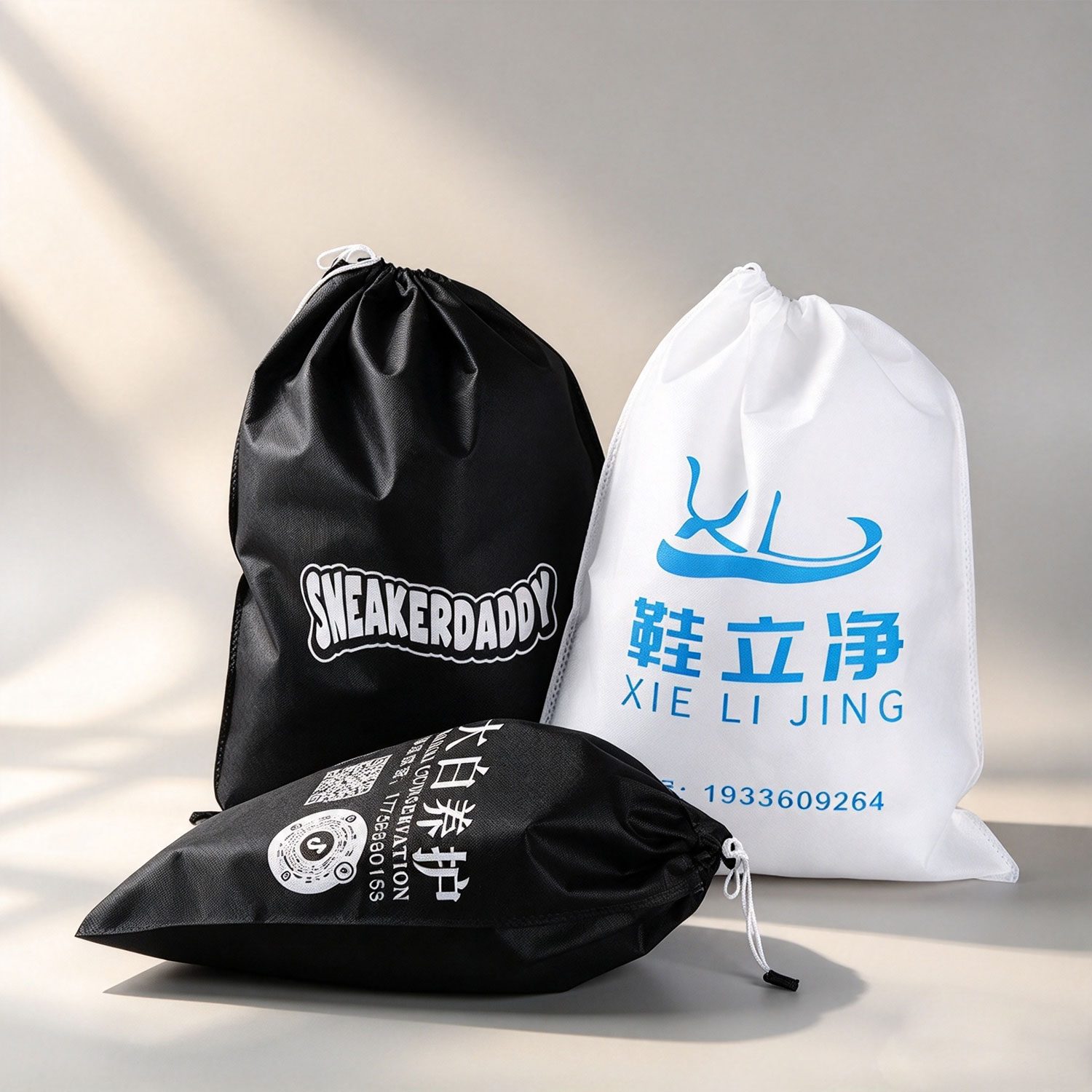
Lastly, consider the brand image you wish to project. If your audience values resilience and robust performance, nylon makes a strong statement. However, if your brand identity is deeply rooted in sustainability, RPET allows you to package your environmental commitment into each bag produced. Before manufacturing, explore factory options in regions specializing in these materials, such as those in Guangzhou, to take full advantage of their expertise and capabilities — further insights can be found in this guide: Choosing the Right Factory for Travel Duffel Bags in Guangzhou.
Common Missteps in Material Choice
When selecting materials for custom duffel bags, buyers often overlook critical factors that can significantly impact both performance and user satisfaction. One common misstep is underestimating the weight and bulk of the chosen material. For instance, while thick canvas can offer durable protection, its added weight might render the bag cumbersome for frequent travelers. Conversely, lighter materials like polyester may compromise durability, especially in demanding environments.
Ignoring environmental certifications and standards is another pitfall. Materials like recycled polyester (RPET) can meet eco-friendly demands, but confirming they are GRS-certified is crucial for genuine sustainable claims. Without the right certifications, businesses might inadvertently mislead eco-conscious consumers, damaging their brand's reputation.
Climate and storage conditions also demand careful consideration. Materials that perform well in one climate may not hold up in another; for example, untreated cotton may struggle in humid environments due to its tendency to absorb moisture, leading to mildew or mold. Considerations for waterproof coatings are essential if the bags will face variable weather conditions.
Cost doesn't end at initial outlay; considering the lifecycle cost is essential. While certain materials may appear affordable upfront, their frequent need for replacement or maintenance might escalate the total cost. For instance, a cheaper fabric might wear out faster, requiring frequent replacements that inflate long-term expenses beyond the initial savings.
Lastly, focusing solely on aesthetics at the expense of functionality is a frequent error. While a fashionable design might attract buyers initially, insufficient attention to practical factors like durability, comfort, and convenience can lead to customer dissatisfaction over time. Functional attributes like pocket layouts, ease of access, and reinforcement at stress points often play a critical role in consumer satisfaction. Balancing aesthetics with functionality ensures that the duffel bags not only appeal visually but perform effectively, meeting users' expectations across various scenarios.
Deciding on Your Custom Duffel Bag Material
Balancing durability, cost, and sustainability is pivotal when choosing the right custom material for your duffel bags. Aligning material choice with your brand values is crucial, as it influences how customers perceive your business in the market. Consider whether your focus is on long-term durability or eco-conscious credibility—each has distinct benefits that can align with different brand narratives and consumer expectations.