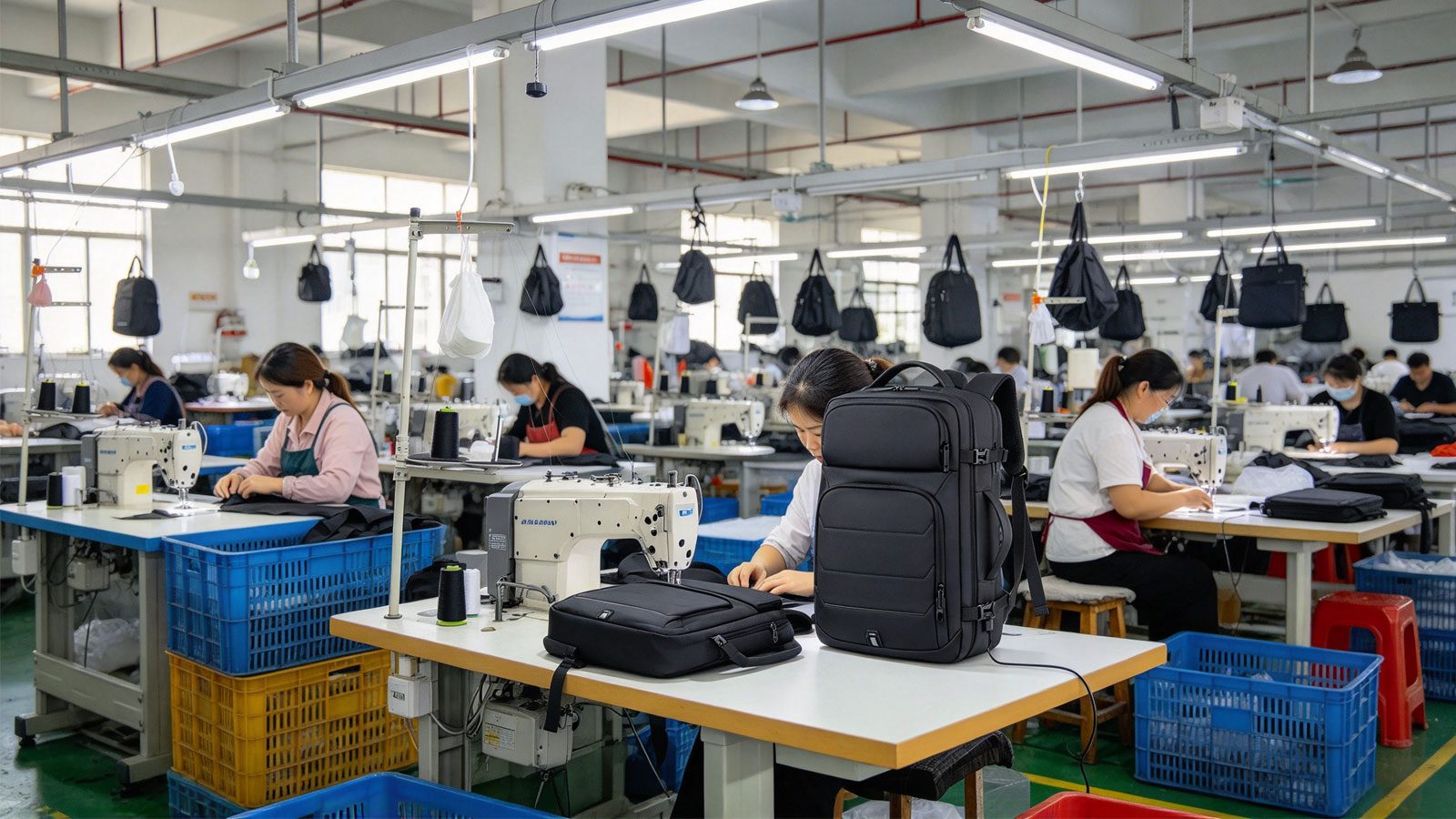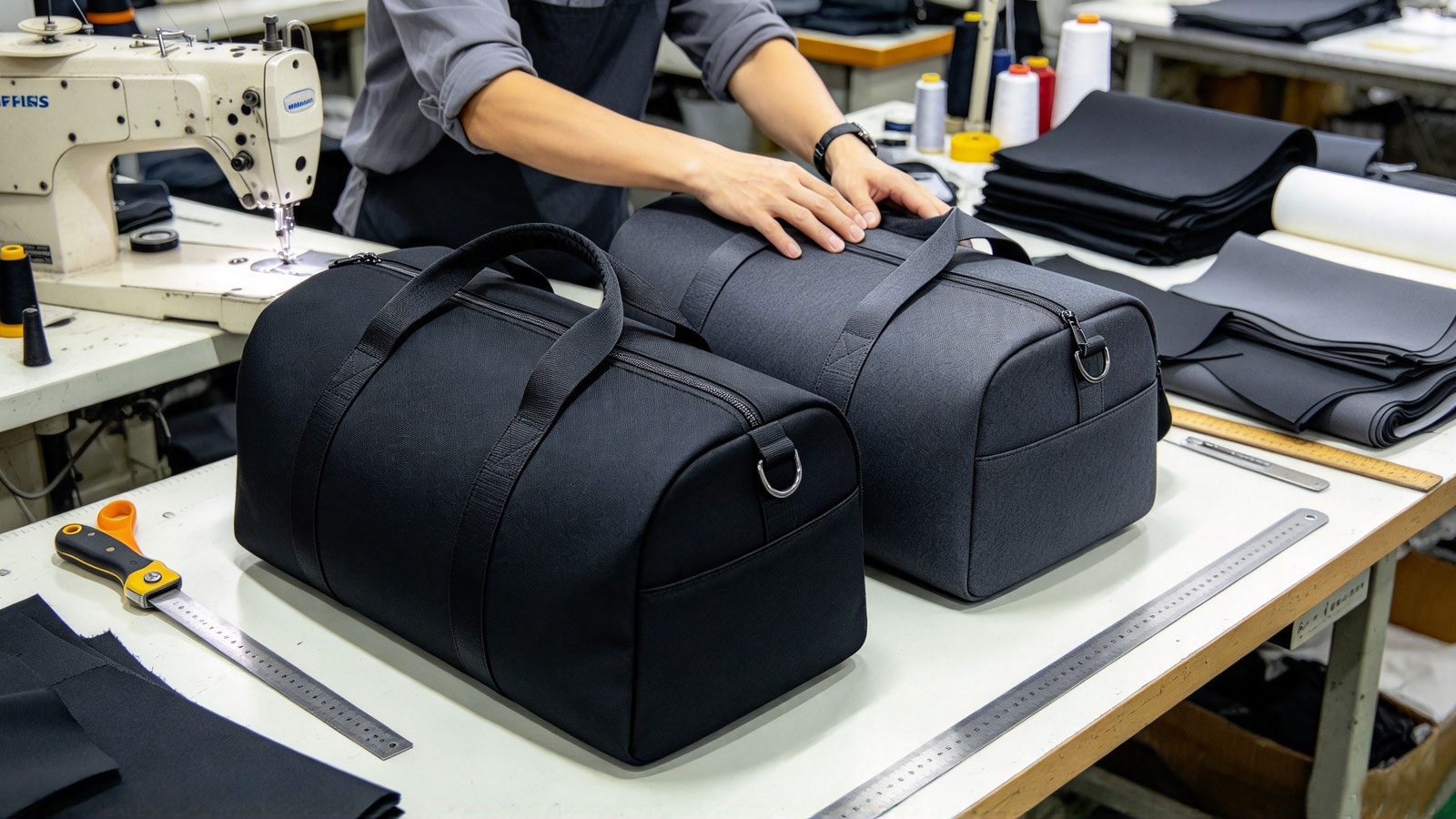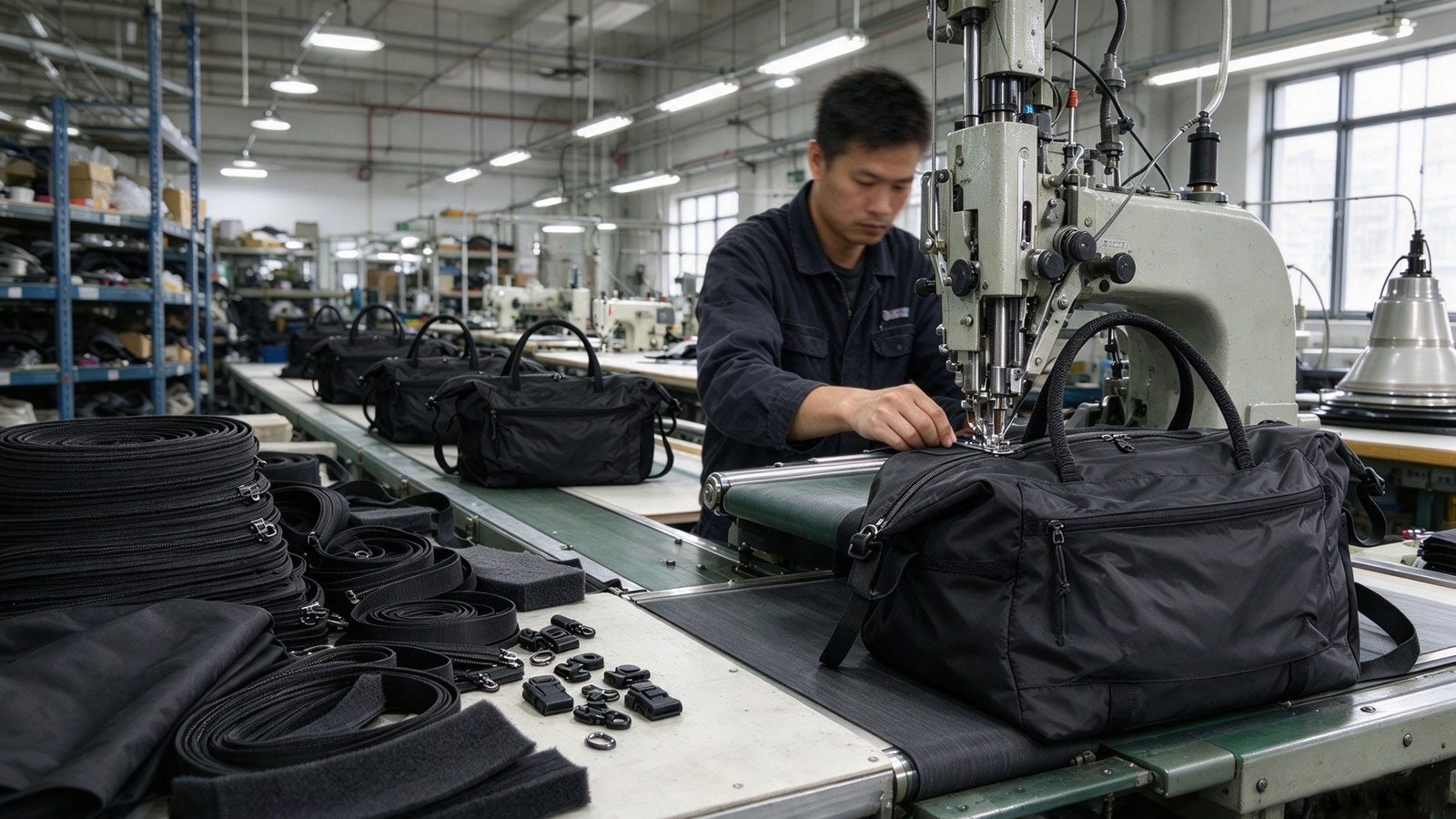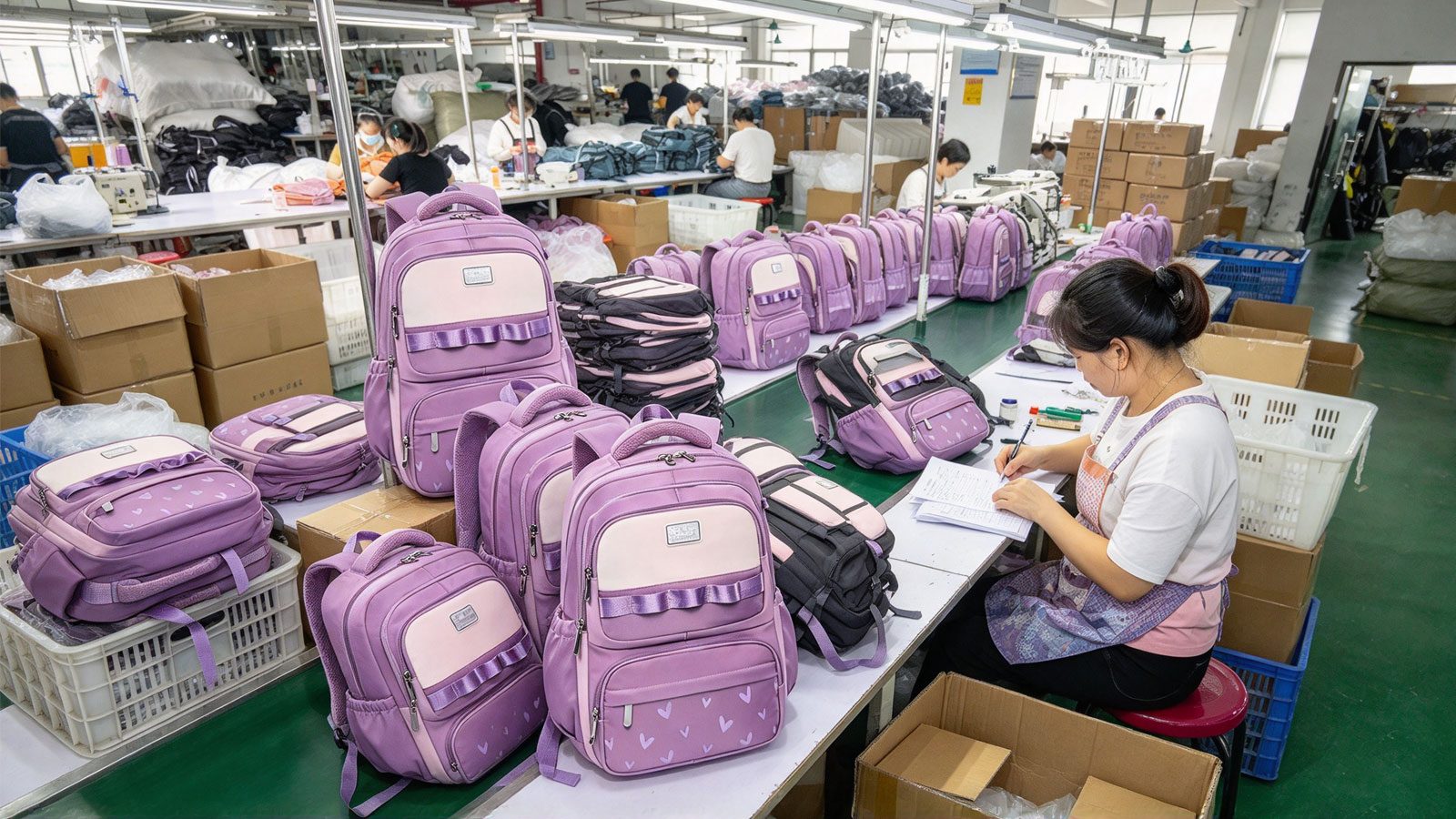
Many buyers think that ordering custom school backpacks from OEM suppliers in Guangzhou should result in quick responses to their requests. However, this expectation often doesn't match reality. Typically, delays or vague replies stem from incomplete inquiries that lack detailed specifications, causing manufacturers to take longer to clarify requirements. To ensure a smooth process, buyers should prepare a comprehensive checklist that includes all necessary details before reaching out. This guarantees that OEM suppliers in Guangzhou like SYMPATHYBAG can provide an accurate quote and realistic production timeline. By understanding what factors influence the response time and quote accuracy, businesses can make informed decisions and plan their procurement strategies effectively.
Why Most Requests Get a Slow or Vague Reply
Incomplete request details often lead to ambiguity. Imagine sending a wishlist without specifics: a customer might ask for a "durable, colorful school backpack" but leave out details like fabric types, dimensions, or necessary features like water-resistant compartments. Such lack of specificity forces OEM suppliers to either make assumptions—risking missed expectations—or send queries back for more information, which inevitably slows the process.
Misunderstandings due to jargon can also muddy the waters. Industry-specific terms such as "denier" for fabric weight or "gusseted pockets" can mean different things to different people. Without a common understanding, communications can become a game of guessing, rather than a streamlined dialog. It's crucial for buyers to either standardize their terms or clarify them to minimize the guesswork for suppliers.
*Precise information is essential for accurate quotes. Suppliers need detailed sketches, specifications, and quantities to calculate costs effectively. When details are vague, suppliers may hedge their estimates on the higher side to cover unknowns, potentially leading to inflated quotes that deter prospective buyers.
Cultural and language differences can also play a role. While many Guangzhou suppliers, like SYMPATHYBAG, are equipped to handle international inquiries, nuances in language can lead to misinterpretations. Clear, simple language and a verification of understanding can help bridge these gaps, ensuring both sides are on the same page.
Finally, supplier capacity and priorities may affect response times. A factory juggling multiple large-volume projects could de-prioritize an inquiry lacking immediate clarity or promise of significant volume. Suppliers may take longer to respond if determining next steps involves multiple departments, especially during peak order seasons.
A systematic approach in inquiries mitigates these issues, enhancing response efficiency. By understanding these dynamics, buyers can fine-tune their communications, ensuring swifter, more precise interactions with Guangzhou OEM suppliers.
The Essential Checklist for Inquiries
When ordering custom school and kids backpacks from OEM suppliers in Guangzhou, providing precise and detailed information is crucial for streamlined production and a successful collaboration. A thorough checklist ensures that all parties are on the same page right from the start. Let's explore the key elements that should be a part of your inquiry.*
Specify Type and Purpose. Understanding the specific type and intended use of the backpack lays the proper groundwork. Are they meant for preschoolers or middle school students? Should they carry lightweight items or accommodate heavier school books and a laptop? Addressing these questions helps in aligning the design and functionality with the educational needs.
Detail Material Requirements. Material choice significantly affects the backpack's durability, feel, and cost. Indicate whether you prefer 300D polyester for affordability or heavier-duty Cordura-type nylon for enhanced durability. Consider environmental factors like California Prop 65, if relevant, and specify any needs for GRS-certified recycled materials to support sustainability goals.
Include Design Elements. Clearly state the desired colors, logos, and dimensions. Logos must conform to brand guidelines, while size requirements ensure the backpack meets usage needs. Design details like these affect the overall aesthetic and brand identity that you aim to convey through the product.
State Production Volume and Timeline. Minimum order quantities (MOQs) and lead times vary by supplier. Knowing your required volume and a realistic timeline for delivery—bearing in mind the need for sampling and production time—can streamline planning and reduce potential delays in manufacturing.
Mention Required Certifications. Clarifying the need for certifications such as CPSIA or EN 71 ensures compliance with safety and quality standards. Note if you require additional product testing to meet regulatory requirements in your market.
Essential Details for Custom Backpack Orders
| Specification | Details Needed | Why It's Important |
|---|---|---|
| Type & Purpose | Educator audience, use scenario | Determines design features and safety considerations |
| Material | 300D–1680D polyester, nylon choice | Impacts durability, weight, and cost |
| Design Elements | Colors, logo size, dimensions | Ensures alignment with brand aesthetics and functional needs |
| Production Volume | Required units and timeline | Influences lead time, unit cost, and supplier readiness |
| Certifications | CPSIA, EN 71 need | Ensures market compliance and consumer safety |
For more detailed insights on finding the best partner, visit Finding the Best Custom Backpack Supplier in Guangzhou.
How Each Item Affects Your Quote
Material choice. The fabric type largely dictates both cost and durability of the backpack. Opting for materials like 300D polyester or ripstop nylon may keep costs lower, but when you step up to premium options like Cordura-type nylon or GRS-certified RPET, expect the price to rise. Each material offers unique benefits; polyester and nylon are more budget-friendly and resist normal wear, while Cordura and RPET are often chosen for their superior durability and sustainability. This choice directly impacts both the upfront cost and the perceived value of the finished product, crucial if your target market prioritizes eco-friendly options.

Design complexity. The intricacy of your backpack's design can significantly affect manufacturing costs. Features like padded compartments, ergonomic designs, specialized zippers, or reinforced stitching increase labor time and thereby elevate the price. According to SYMPATHYBAG's capabilities, a simple design might require just a few manufacturing stages, but complex ones demand multiple steps and may necessitate specialized machines or skills. Every extra detail adds cost, so balance your desired features with your budget.
Order volume. Larger orders typically benefit from economies of scale, reducing the cost per unit. However, if your production volume is low, suppliers can demand higher rates to justify their setup and operation costs. In Guangzhou, where SYMPATHYBAG operates, it's critical to align your order size with your budgetary constraints and market needs, as varying volume thresholds directly inform unit pricing. High-volume orders can yield savings that smaller batches cannot.
Certifications required. If your backpacks need to adhere to standards like CPSIA or California Prop 65, additional testing and certification will incur extra costs. SYMPATHYBAG can facilitate this, but it's crucial to specify these needs early to avoid surprises later. Each certification could substantially influence the final quote.
Delivery requirements. Shipping and logistics costs vary significantly based on urgency and distance. Expedited shipping commands premium rates, while standard options offer savings but may require longer lead times. Clarifying your timeline early is essential to accurately gauge logistics expenses. By understanding these factors, you can tailor your order for both cost efficiency and timely delivery. For more on safety features, see Custom School & Kids Backpacks with Safety Features.
A Filled-In Example Checklist
Creating a custom school backpack involves several well-structured decisions. Let's explore a filled-in example checklist to give you a vivid sense of what specifics are required.
Fabric Choice and Materials. In this example, the buyer opts for 600D polyester due to its balance of cost, durability, and ease of cleaning—ideal for school settings where spills are common. Alternatively, eco-conscious buyers might choose GRS-certified recycled PET (RPET) to reduce environmental impact without sacrificing quality. Selection like this not only affects the cost per unit but also plays into the environmental certifications required, such as REACH or CPSIA compliance.
Logos and Color Scheme. The choice is for a bold, two-color theme: navy blue and bright red, catering to the school’s identity. The logo, positioned centrally, is requested in two formats: silk-screen print for budget-conscious demands and embroidery for premium finishes. Logos add unique branding but necessitate additional tooling for every color and design, impacting both lead time and final quote. For bulk orders, choosing a simplified one or two-color logo can optimize costs.
Timeline and Volume Considerations. With a planned order volume of 5,000 units, the delivery timeline is a pressing factor. The purchaser aims for a four-week delivery deadline, a challenging request that requires precise planning and may result in expedited manufacturing fees. Larger volumes often enjoy reduced per-unit costs due to economies of scale but require earlier negotiation to lock in favorable terms.
Sustainability Considerations. The buyer highlights a preference for sustainable materials, opting for RPET combined with low-impact dyes to minimize ecological footprints. This choice aligns with growing educational institutional mandates for environmentally responsible products and may influence buyers in districts where eco-conscious procurement is a priority.
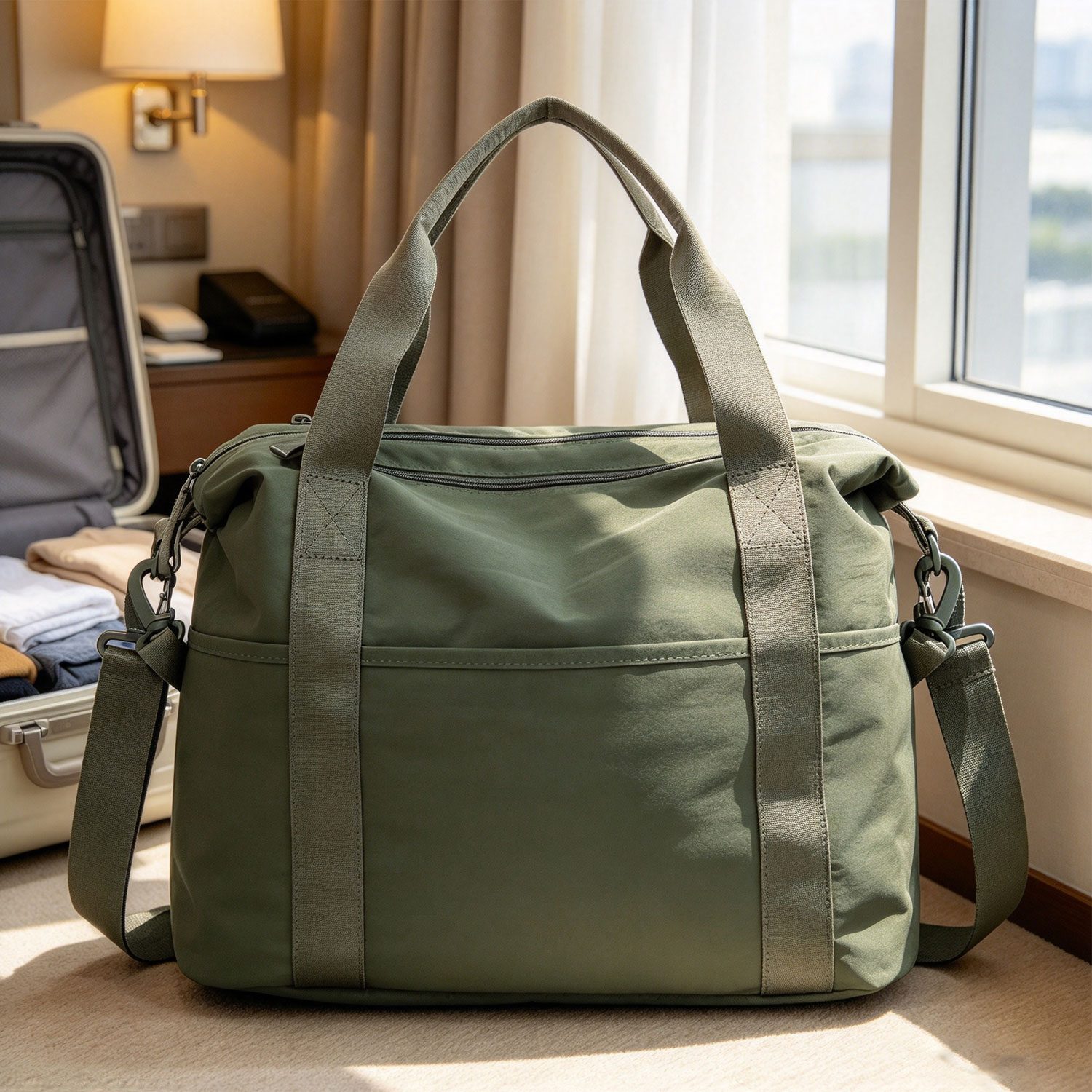
This example highlights how detailed checklist entries help refine the customization process. By explicitly defining each element and consideration, stakeholders are better positioned to manage expectations and foster productive relationships with suppliers.
What Happens After Sending the Checklist
Once you share your completed checklist with Guangzhou Ceyin Bags Co., Ltd., a structured process begins. Initially, our team carefully reviews the specifics you've outlined. Verification. This step involves ensuring that the chosen materials, design details, and production quantities correspond with our available resources and capabilities. This initial check is crucial in aligning your needs with what we offer, minimizing potential issues later.
Clarification and Discussion. Following verification, we initiate a discussion to clear up any uncertainties. This may include asking questions regarding fabric shades, logo placements, or specific design nuances. Effective communication at this juncture is essential, as it ensures all parties have a mutual understanding, paving the way for a more effective production cycle. Your responsiveness and willingness to clarify aspects are vital to the accuracy of the final product.
Negotiation. After clarifying the details, the focus shifts to negotiating terms. Discussions might cover pricing structures, lead times, and payment conditions. For instance, larger orders could lead to negotiations on discounted pricing or varied payment terms. Transparency during this step helps in forming a solid agreement and builds mutual trust.
Sample or Prototype Production. Before proceeding to full-scale manufacturing, a prototype is typically developed. This sample, based on agreed specifications, acts as a pre-approval stage. It's crucial for identifying any final changes or design adjustments. This phase is also an opportunity to ensure compliance with required standards, such as CPSIA.
Production Monitoring. Upon prototype approval, our communication continues with regular updates throughout production. These updates reassure you that we are on track. Our quality assurance teams are tasked with rigorous checks at each stage to maintain high standards. Understanding How to Find the Best Custom Backpack Supplier in Guangzhou can provide insight into how we excel in maintaining communication and quality oversight.
Remaining actively involved and responsive throughout the process helps create a smooth production journey, ultimately resulting in a product that matches your requirements and timelines.
Deciding on Your Next Steps
Thorough preparation in your inquiries might seem tedious, but it sets the stage for a successful production run. Keeping open communication lines with your supplier during production ensures any issues are addressed promptly, maintaining quality. Understanding the terms and conditions before commitment is crucial to avoid unforeseen costs or delays. Finally, aim to build a reliable OEM partnership; it can prove invaluable for consistent quality and timely deliveries. With Guangzhou Ceyin Bags Co., Ltd., establishing a clear, collaborative foundation can facilitate smoother operations and future collaborations.