Many believe that all OEM manufacturers of insulated bags offer the same capabilities, but this is not the case. While Guangzhou Ceyin Bags Co., Ltd., also known as SYMPATHYBAG, provides complete custom solutions, other companies might have limitations that affect the final product. Misconceptions about material quality, insulation capability, and customization options are rife. Understanding these can lead to more informed sourcing decisions and a better alignment with your needs. Whether it’s material selection or quality assurance, knowing the facts behind these myths empowers buyers to verify claims and choose a supplier that truly meets their specifications. Here's what really goes on when you work with an OEM partner.
The Root of Common Beliefs
The myths surrounding OEM capabilities in producing insulated bags often stem from a mix of historical practices, differing global standards, and marketing narratives. Many buyers enter the market with preconceived notions, largely influenced by aggressive marketing tactics, variations in supplier standards, and unclear demarcations of responsibilities between suppliers and brands.
Historical Practices and Supplier Standards
A significant root of misconceptions lies in historical practices within the manufacturing landscape. In regions like Guangzhou, the bag-manufacturing capital of China, operations have evolved from manual to automated processes over the years. This evolution has led to varying standards across suppliers. For example, differences in how insulation materials are sourced and used can vary significantly from one manufacturer to another. Some may adhere to strict quality norms, ensuring materials meet standards like the REACH regulation, which controls chemical safety in products, while others may prioritize cost over compliance. Such disparities affect perceptions about the uniformity of bag quality.
Marketing Impact on Buyer Expectations
Another key driver of myths is marketing. Promotional materials often paint an idealized picture of OEM capabilities, sometimes leading buyers to assume all suppliers offer the same level of service. For example, an insulated bag marketed as "world-class" might suggest superior quality without specifying metrics like thermal retention, which can only be precisely quantified. These marketing-driven narratives often shift expectations beyond realistic capabilities, creating a skewed perception of what is standard across the industry.
Supplier and Brand Responsibilities
Clarifying the responsibilities of suppliers versus brands is essential in demystifying OEM capabilities. While suppliers like Guangzhou Ceyin Bags Co., Ltd. focus on adhering to manufacturing standards and providing options within operational constraints, brands often take on the responsibility of ensuring that the final product meets market-specific needs and quality benchmarks. Discrepancies in expectations often arise when brands assume that the responsibility for comprehensive product quality lies solely with the suppliers, neglecting the need for their own oversight, such as conducting proper inspections and verifying sample quality before going to market.
In conclusion, understanding the root of these common myths involves recognizing the factors that drive differences in supplier standards and the impact of marketing on buyer perceptions. Clear communication and delineation of roles between suppliers and brands are critical to aligning expectations with realities in the OEM manufacturing landscape.
Myth 1: All Insulated Bags Offer the Same Quality
Insulated bags may look similar, but their real effectiveness lies deep within their materials. A common misconception is that all insulated bags perform equally, yet different insulation materials dramatically impact performance. For instance, closed-cell foam often used in high-quality bags provides superior thermal retention compared to cheaper open-cell alternatives. Closed-cell foam traps more air in its structure, minimizing heat transfer. Conversely, open-cell foam allows more air and moisture to pass through, resulting in quicker temperature changes and decreased effectiveness.
The choice of insulation material directly influences the bag's ability to maintain internal temperatures. Bags that can hold consistent temperatures - hot or cold - for extended periods are often crafted with high-density polyethylene (HDPE) layers or combined polyethylene and vinyl acetate (PEVA) linings. These materials not only enhance thermal retention but also provide durability and moisture resistance, crucial for meeting performance expectations.
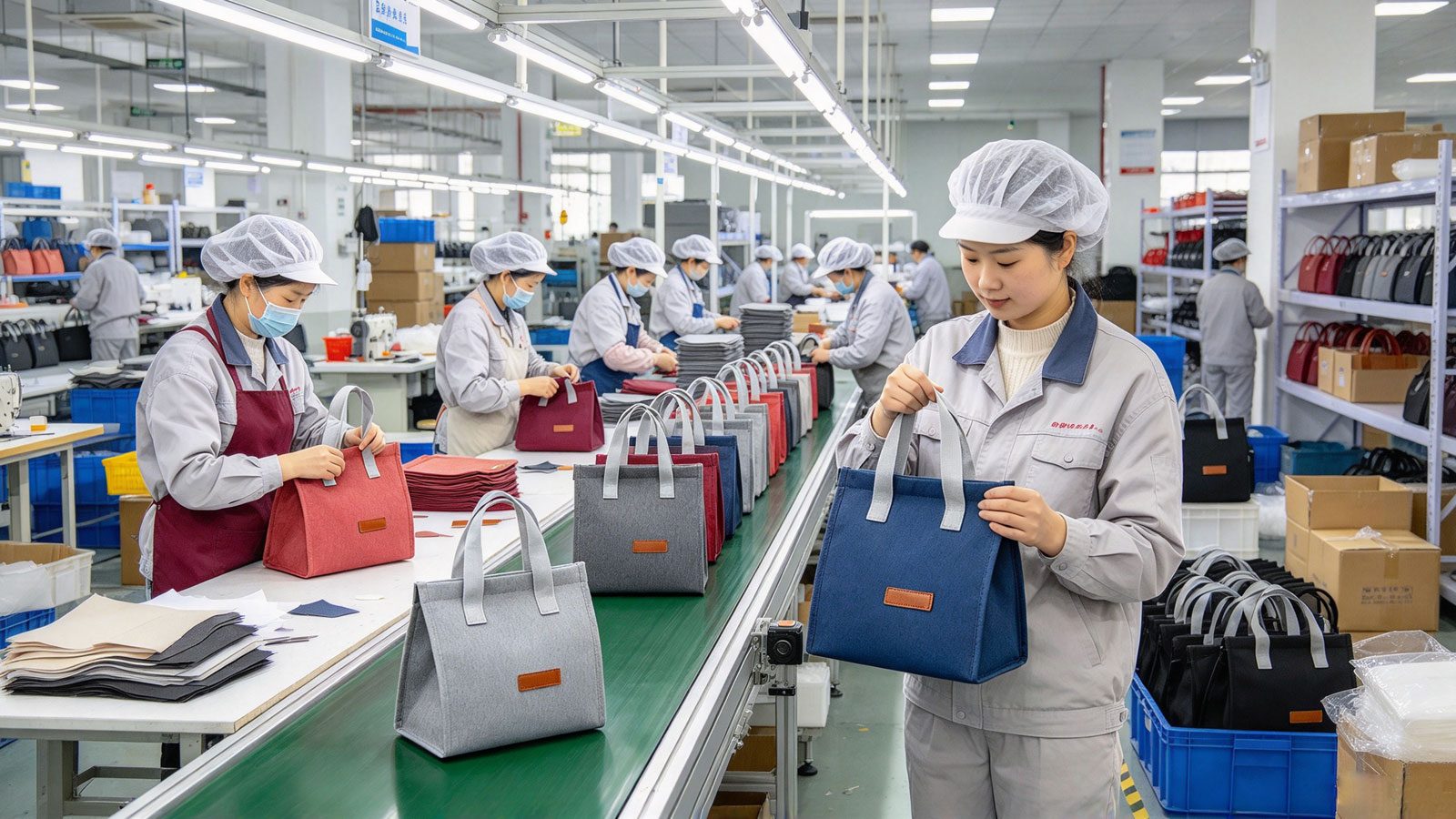
Quality control plays a pivotal role in ensuring consistent insulation quality across production batches. Unfortunately, not all suppliers adhere to stringent quality protocols. For instance, frequent audits and thermal efficiency testing confirm uniform material quality and bonding integrity. Suppliers like Guangzhou Ceyin Bags Co., Ltd. incorporate in-process quality control stages to pre-emptively address defects that might otherwise go unnoticed at final inspection. Although this may seem standard, it's not universally practiced across the industry. Without rigorous checks, buyers may encounter discrepancies in the thermal retention of seemingly identical bags.
Moreover, few suppliers voluntarily submit their insulated bags for independent testing to certifiable standards like REACH or California Prop 65. Such certifications ensure the material is free from harmful substances and safe for consumer use, reinforcing consumer trust. However, obtaining these certifications is not commonplace, and buyers cannot assume all insulated bag suppliers uphold such standards.
For those sourcing functional cooler bags for specialized applications, understanding the material-specific capabilities can significantly influence the right choice. Consider exploring Functional Cooler & Insulated Bags with Optimized Temperature Control to appreciate the tangible benefits of informed material selection.
Myth 2: Customization Options Are Unlimited
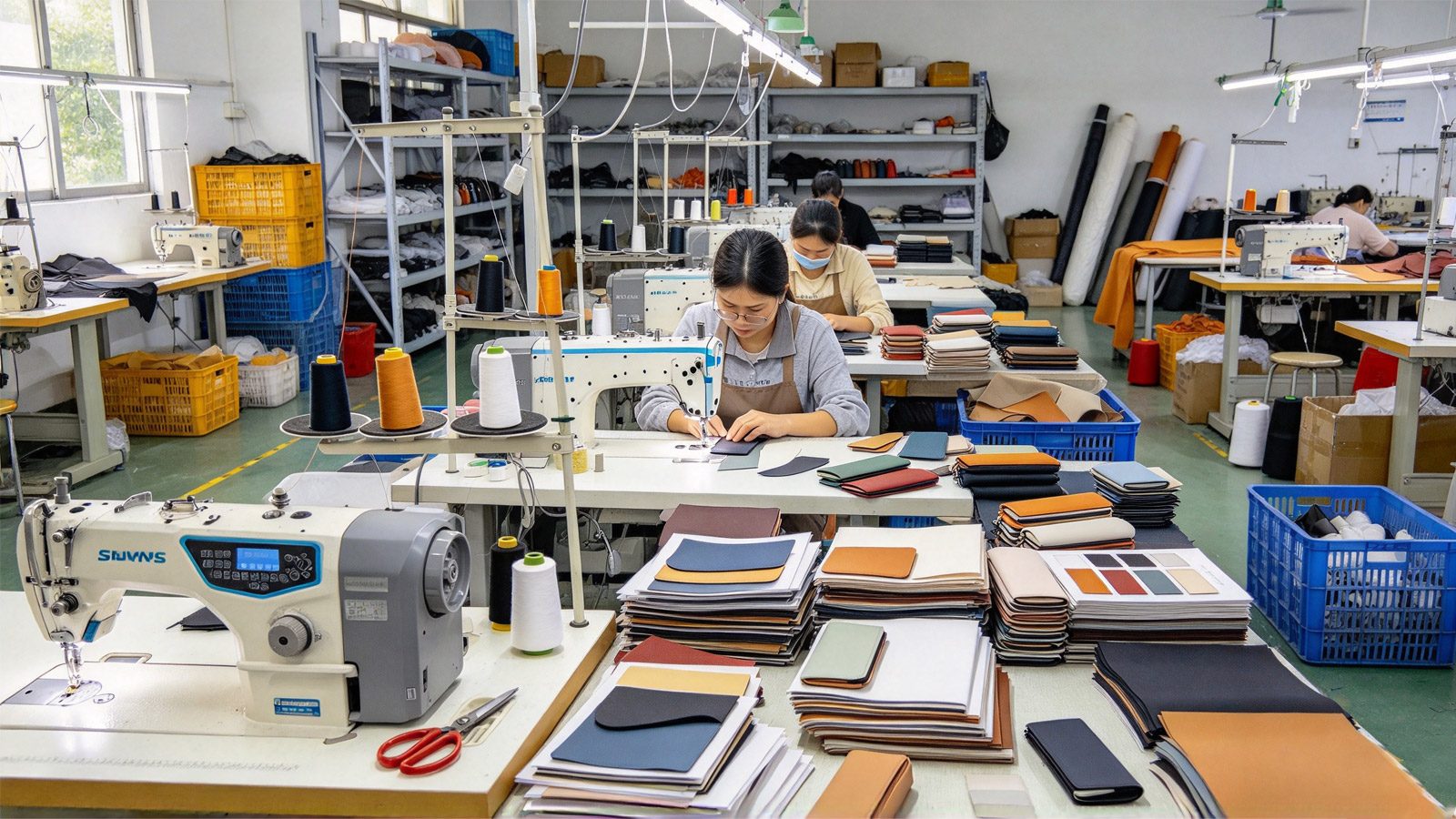
While the allure of customizing every detail of insulated bags sounds enticing, the reality is bound by practical constraints. Constraints in Fabric and Hardware Availability play a significant role in the perceived unlimited options. Manufacturers like SYMPATHYBAG offer a broad selection of fabrics, ranging from polyester and nylon to GRS-certified recycled RPET. However, if a specific fabric or unique hardware is not immediately available in their 5,000 m² facility or managed material library, sourcing it can extend lead times and costs significantly.
Trade-Offs Between Customization and Production Speed
Customization depth directly impacts production speed and cost. The broader the customization scope, the more resources are required to pattern, prototype, and refine the design. Requesting non-standard colors, fabrics, or extensive embroidery can lead to longer lead times as these elements are often not in regular stock, necessitating additional sourcing time.
Furthermore, Supplier Limitations Due to In-House Capabilities are a crucial consideration. Not all manufacturing facilities possess the advanced equipment necessary for unconventional designs or complex assembly processes. SYMPATHYBAG, for instance, prides itself on having 150+ machines to support diverse production needs; yet, excessive customization might still surpass current capabilities, leading to limitations in what can be feasibly provided within the expected timeline.
Customization Options in Insulated Bags
| Feature | Available Materials | Customization Lead Time | Cost Implications |
|---|---|---|---|
| Fabric | Polyester, Nylon, RPET | Extended for non-stock | Higher for unique options |
| Hardware | YKK, SBS Zippers | Moderate | Standard to higher |
| Insulation | Foam, PEVA lining | Standard | Standard |
| Color & Pattern | Stock colors, Custom prints | Extended for custom | Higher for custom |
| Logo/Branding | Embroidery, Screen Printing | Standard to extended | Varies with complexity |
Buyers often overlook these tangible constraints when envisioning unlimited customization. Practical design adjustments, such as opting for in-stock materials and standard colors, can significantly reduce both the lead time and cost. Ultimately, aligning customization desires with the manufacturer's existing capabilities ensures a more efficient production process, balancing personalization with feasibility.
Myth 3: All OEM Manufacturers Have the Same Equipment
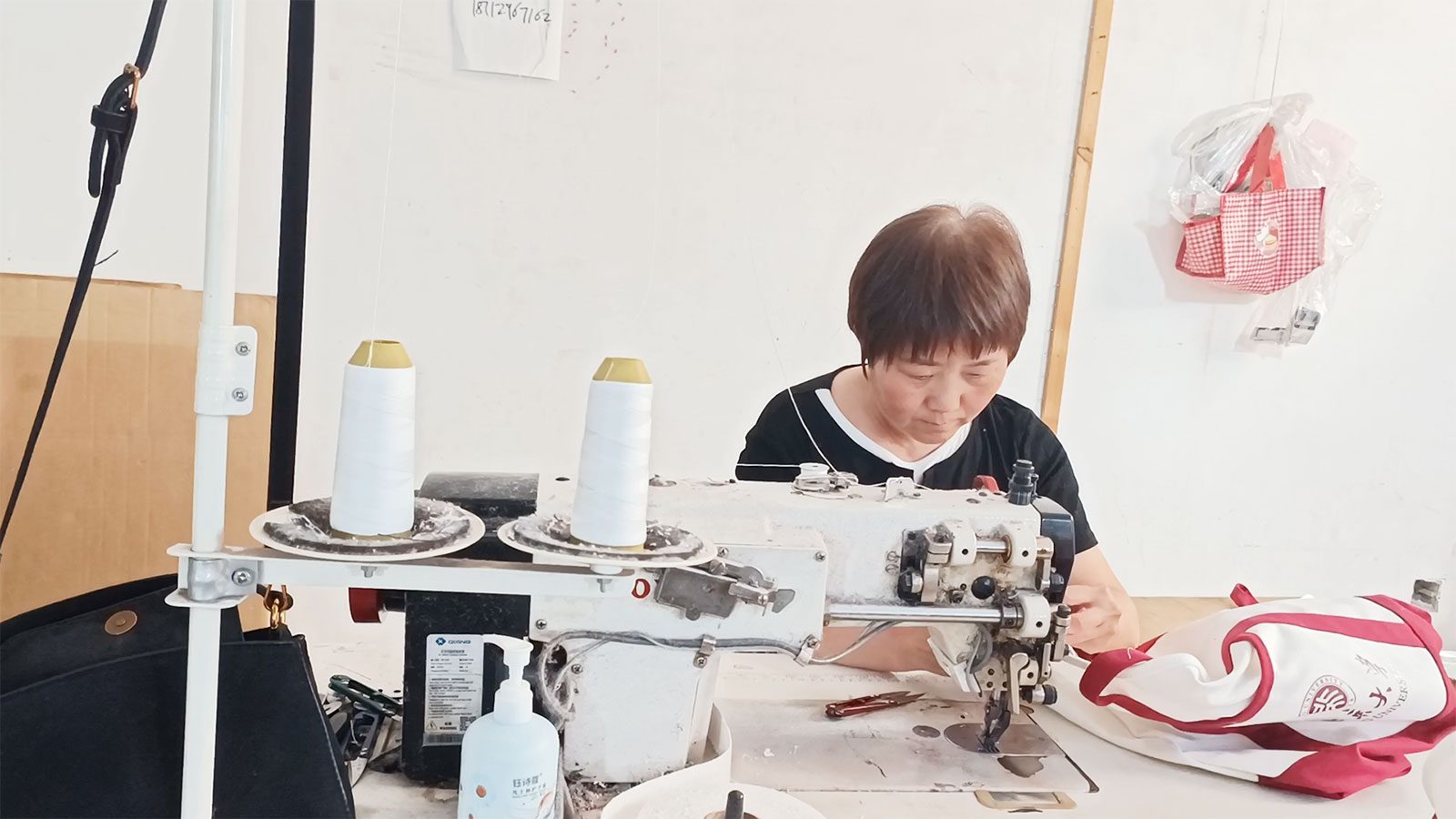
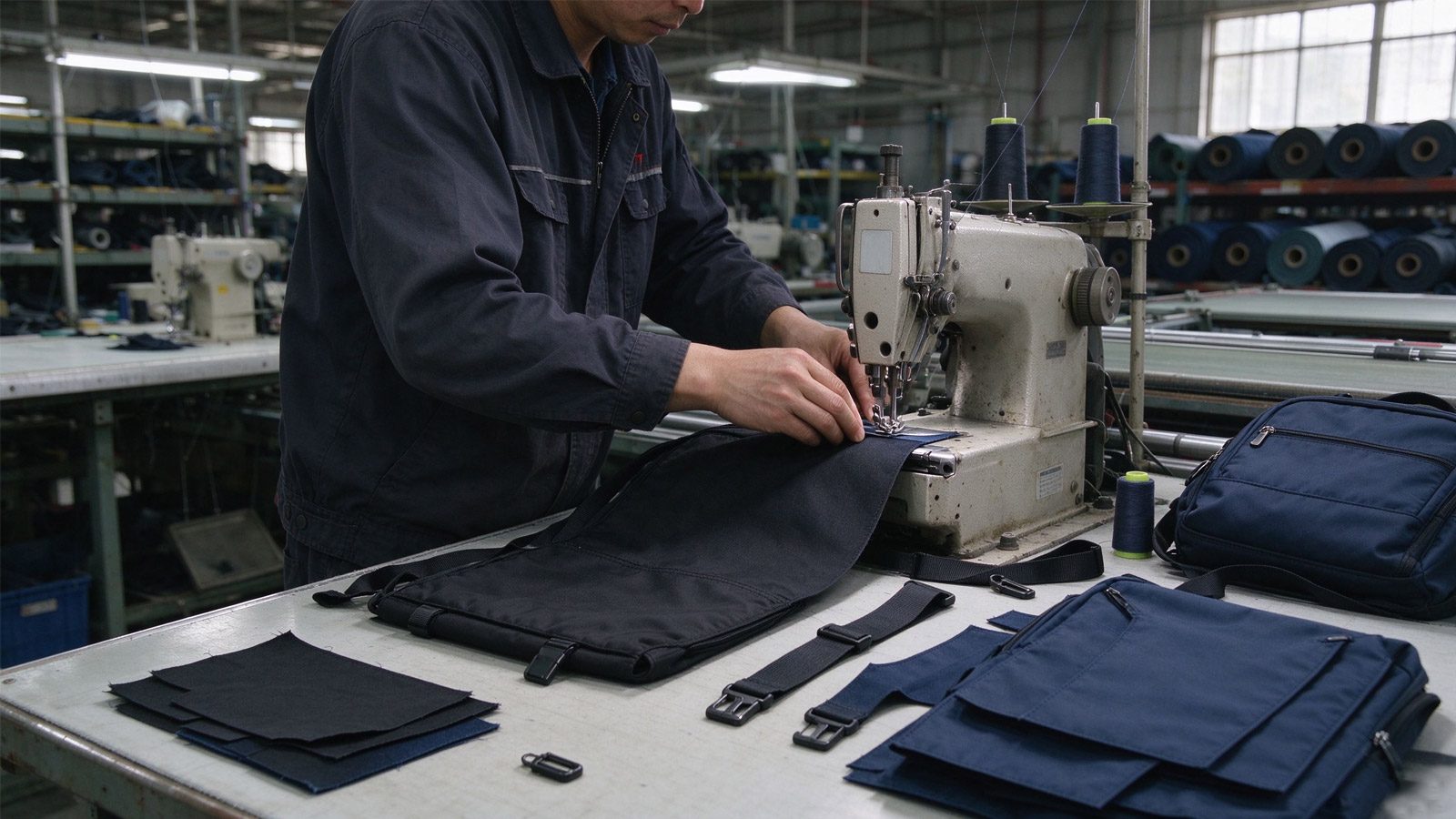
Many buyers mistakenly assume that all Original Equipment Manufacturers (OEMs) operate with identical machinery; however, this is far from the truth. The range and sophistication of equipment used in OEM settings can vary significantly, impacting both the efficiency and quality of production. Different levels of automation play a crucial role. For instance, automated cutting and sewing machines increase output rate and precision in producing insulated bags, while manual processes may limit production speed and consistency.
Cutting-edge technology also makes a significant impact on production quality. Advanced equipment, like computer-controlled sewing machines, ensures consistent seam quality and durability, which are vital for insulating properties. Technologies such as ultrasonic welding, which seals seams without thread or needle penetration, further enhance the waterproof characteristics of the bags—an important consideration for quality-focused end-users. Moreover, manufacturers with a higher level of technological integration tend to offer better customization features, adapting quickly to diverse client specifications with minimal error.
The state of machine maintenance further varies across OEMs. Regular maintenance schedules ensure machinery functions at optimal efficiency, reducing the chance of defects and production downtime. Well-maintained equipment not only extends its lifespan but also maintains the high standards necessary for producing reliable and effective insulated bags. Neglected machinery, on the other hand, could lead to frequent breakdowns, defective products, and ultimately, increased costs.
Equipment diversity is crucial, especially for specific customization processes required in OEM manufacturing of insulated bags. Machines capable of handling a variety of materials—such as polyester, nylon, or canvas—allow for flexible production tailored to different insulation requirements. The availability of specialized machinery, like PEVA fusing machines or those that operate with GRS-certified recycled materials, enhances the product's eco-friendliness and market appeal. As such, choosing an OEM with diverse and advanced equipment can make a significant difference in meeting unique project needs.
In essence, not all OEM manufacturers possess the same level of equipment sophistication, which can profoundly affect production capabilities and the quality of insulated bags produced. Evaluating a manufacturer's equipment is a critical step in ensuring that your project specifications and quality expectations are met.
What to Verify Instead of Assuming
When sourcing insulated bags, it's crucial to delve into specifics to ensure they align with your expectations rather than relying solely on manufacturers' claims. Verifying important standards and certifications is essential in evaluating a manufacturer's trustworthiness. Validate if the manufacturer adheres to globally recognized standards like ISO 9001 for quality management, which can be a strong indicator of their operational competencies. Moreover, certifications such as CE and RoHS can often be obtained upon request to ascertain product compliance with regional safety guidelines. These certifications play a vital role in ensuring the quality and safety of insulated bags, especially those intended for storing food items.
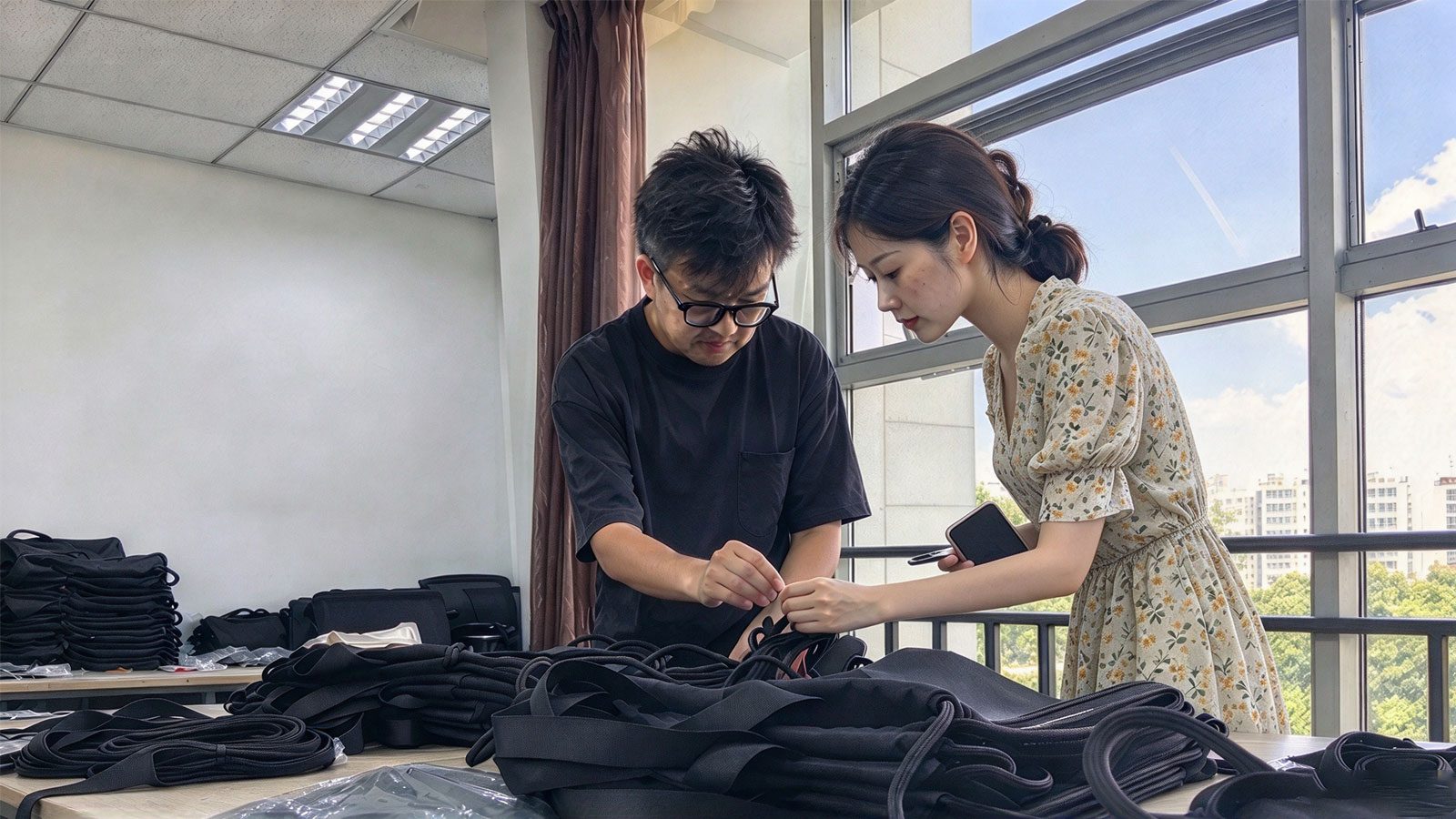
One effective strategy is to request sample inspections before making any large production commitments. Reviewing a physical sample offers a tangible way to judge if the manufacturer can provide the promised insulation quality and durability. When evaluating samples, focus on features that are critical to your users: efficiency of insulation, material resilience, and craftsmanship. A sample tailored to your specifications provides clearer insights into the consistency with which the manufacturer can satisfy your demands.
Evaluating a manufacturer's capacity often goes beyond what is advertised in their promotional material. It’s crucial to consider their production capabilities, as these factors affect delivery timelines and minimum order quantities. Inquire about their machinery and internal processes to see if they align with the technical needs and scope of your project, a detail that’s often overlooked yet crucial. Advanced machinery, for example, can imply enhanced potential for sustaining consistent product quality across larger volumes.
Finally, ensuring the manufacturer's capabilities align with your project specifications is key to a successful collaboration. Clearly outline your project's technical parameters and engage potential manufacturers in discussing how they plan to fulfill these. Assess their ability to manage unique order details, whether it involves specialized materials or creative design implementations. By doing this, you're not merely presuming capabilities based on what's marketed but are instead validating through direct communication and scrutiny.
For a comprehensive view on how these aspects integrate into the OEM bag manufacturing landscape, consider exploring Understanding the OEM Bag Manufacturing Process in Shiling: A Step-by-Step Guide. Aligning your verification processes with these outlined standards enhances your chances of securing a manufacturer adept at satisfying your specific needs.
Making Informed Sourcing Decisions
Strategically assessing the factual capabilities of OEM manufacturers is pivotal for achieving a successful product launch. Start by seeking clarity on specifications and cross-referencing those with the supplier's provided documentation. Verify claims through product samples and certificates, aligning them with recognized standards like REACH or CPSIA. This methodical approach not only ensures alignment with project needs but ultimately influences the performance and customer satisfaction of the final product. By understanding the nuances of these factors, businesses can make sourcing decisions that drive long-term success.