When sourcing custom pencil cases from Guangzhou suppliers, understanding key numbers can significantly impact your purchasing decisions. For instance, Guangzhou Ceyin Bags Co., Ltd., capable of producing around 50,000 bags monthly, highlights the importance of knowing dimensions and minimum order quantities (MOQs). Correctly interpreting these figures helps in aligning your orders with logistical and inventory needs, ensuring you meet market demands efficiently. Awareness of fabric options like 300D polyester or GRS-certified RPET also plays a critical role in assessing quality and sustainability, both increasingly significant factors for today's discerning consumers. By being informed about such numbers, businesses can strategically plan their procurement, ensuring that they invest where it truly matters, and engage effectively with suppliers.
The Essential Numbers in Sourcing
When sourcing custom pencil cases from Guangzhou suppliers, a few key numbers can significantly influence your purchasing decisions. Understanding typical and custom sizes, knowing the average Minimum Order Quantities (MOQs), and factoring in production capacities are vital.
Pencil cases generally vary in size based on their intended use, with typical dimensions around 8 inches long, 3 inches high, and 2 inches wide. However, custom options allow for a range of designs, accommodating everything from compact cases for stationery essentials to larger, compartmentalized versions that store art supplies. While these sizes can be adjusted, remember that irregular dimensions might affect the material yield and production efficiency.
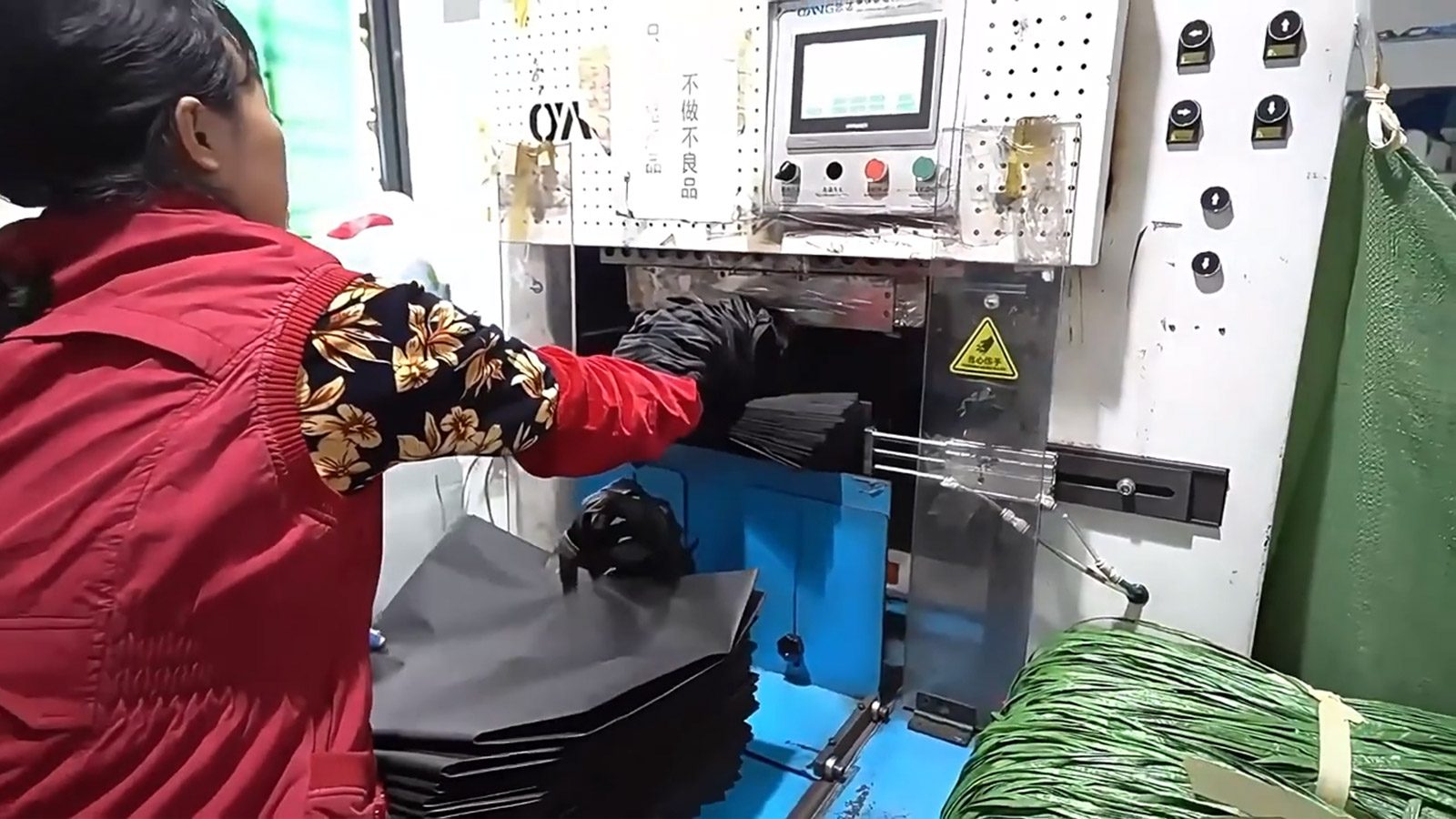
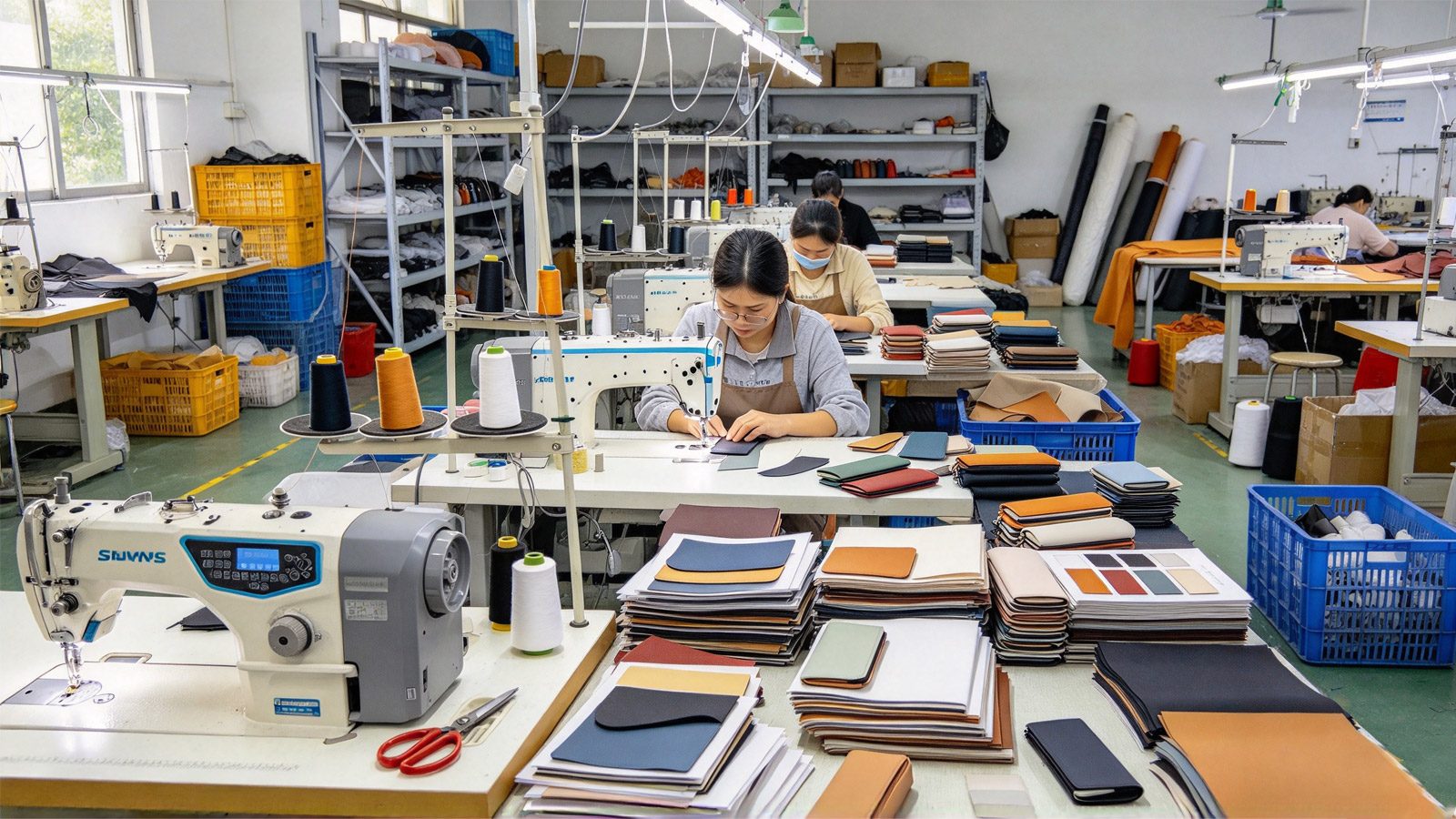
Speaking of production capability, many Guangzhou manufacturers, like Guangzhou Ceyin Bags Co., Ltd., boast a robust production line, churning out approximately 50,000 units per month. This capacity enables them to meet substantial order demands without compromising lead times. But, while high production capacity ensures scalability, it often ties into the MOQs set by suppliers.
In Guangzhou, MOQs for custom pencil cases typically range from 500 to 1,000 units per style. These figures are generally required to optimize manufacturing processes, especially when producing custom designs that may demand specific tooling setups or fabric orders. Understanding the balance between manufacturing volumes and design specifications can provide cost efficiency.
Key Figures in Pencil Case Sourcing
| Property | Typical Value | Why It Matters |
|---|---|---|
| Typical Size | 8"x3"x2" | Standard dimensions for basic stationery needs. |
| Custom Size | Variable | Customization can maximize material use and meet unique demands. |
| Production Capacity | 50,000/month | High capacity ensures scalability for large orders. |
| MOQ | 500-1,000 units | Minimum required for cost-efficient production processes. |
A comprehensive understanding of these numbers can assist you in negotiating better terms and ensuring your orders are aligned with your project needs. As always, communication with your supplier is key to clarifying these specifications and securing a successful outcome.
Understanding Dimensions and Their Impact
In custom manufacturing, the impact of dimensions on production is often underestimated. Precise measurements ensure that each piece can accommodate the specific features intended by the design, such as compartments or customization space. For pencil cases, standardized dimensions might range from 20cm to 30cm in length and 7cm to 10cm in width. These sizes cater to standard writing tools and other essentials typical for academic or professional environments.
Common mistakes in specifying dimensions for manufacturing often stem from a lack of understanding of production limits and material behavior. Specifying dimensions without accounting for seam allowances and potential material stretch can lead to end products that don’t meet the intended fit or feel. Ignoring how the thickness of materials can impact the final outer measurements could result in a pencil case that appears bulky or cramped. Additionally, rounding dimensions to whole numbers without considering decimals can affect precision in the final assembly process — a common oversight in initial sketches or tech packs.
Dimensions dictate not only the aesthetic appeal but also the functional value of a pencil case. A design that's too small may not accommodate all required objects, while overly large cases can be cumbersome for users. For instance, a 21cm x 7cm pencil case is suitable for school use — fitting a range of standard pens and pencils. However, cases intended for more specialized tools, such as art supplies or scientific instruments, may require larger dimensions with dedicated pockets or segments to organize and protect sensitive items.
With such details, coordinating dimensions accurately with your supplier is vital to avoid costly redesigns or modifications. Leveraging partners like Choosing Your Custom Laptop Bag Supplier in Shiling can aid in this coordination by providing insights into manufacturing standard practices and capacity limitations. Whether it’s specifying dimensions with precision or considering the load-bearing characteristics for larger items, working collaboratively with your supplier can streamline the production process and align the final output with your design vision.
Materials: Choices and Considerations
When it comes to custom pencil cases, selecting the right materials is crucial for both practicality and visual appeal. The fabric types most commonly used include polyester, GRS-certified recycled RPET, and canvas. Each of these materials brings distinct properties that affect the durability, sustainability, and aesthetics of the finished product.

Polyester
Polyester is a popular choice due to its strength and cost-effectiveness. Typically ranging in denier from 300D to 1680D, this material offers a good balance between durability and weight. Despite its strengths, polyester can be less environmentally friendly unless it's recycled. Consider specifying GRS-certified recycled RPET, which ensures that the material meets global recycling standards, contributing to your sustainability goals.
Recycled RPET
Recycled RPET (Recycled Polyethylene Terephthalate) is gaining traction due to its eco-friendly footprint. By using recycled bottles and containers as raw materials, this fabric helps reduce plastic waste, aligning well with current environmental concerns. Additionally, Guangzhou Ceyin Bags Co., Ltd. offers GRS-certified RPET options, implying a verifiable commitment to responsible sourcing.
Canvas
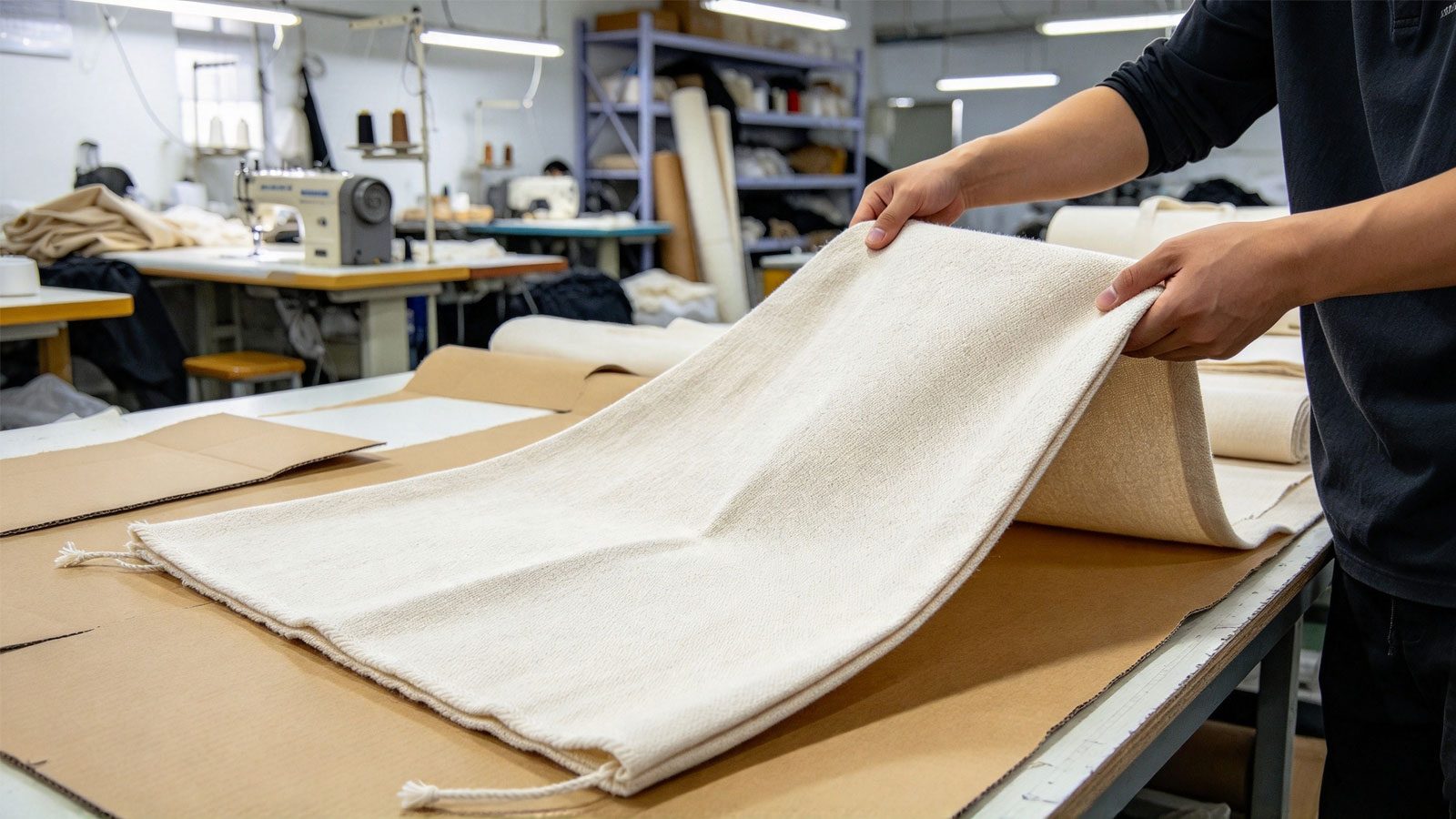
Canvas, known for its sturdiness, also brings a unique aesthetic appeal with a more organic look and feel compared to polyester. It’s ideal for brands aiming for a vintage or rustic style. While traditionally not as water-resistant as synthetic fabrics, modern treatments can enhance its properties, making it suitable for a variety of conditions without losing its nostalgic charm.
Material choice significantly impacts the durability and aesthetics of custom pencil cases. Polyester might be the go-to for durability, RPET for sustainability, and canvas for aesthetics. Buyers must carefully weigh these factors against their brand objectives and the intended end use of the product. These decisions are not just about cost, they're about aligning product features with brand stories and environmental goals.
MOQ: What Buyers Often Forget
Minimum order quantity (MOQ) is often a critical factor in determining the feasibility of sourcing custom pencil cases. Typical MOQ requirements from Guangzhou suppliers like Guangzhou Ceyin Bags Co., Ltd. might range from 500 to 1,000 units, aligning with production capacities and material availability. Understanding these requirements can significantly impact your project's budgeting and timeline.
Balancing MOQ with Costs and Capacity
MOQs are established to ensure that the production costs are distributed evenly across an order. This balance is crucial because low-volume production typically incurs higher costs per unit. At SYMPATHYBAG, where we manage full-scale production in a 5,000 m² facility capable of producing 50,000 bags a month, MOQ terms are designed to optimize both cost efficiency and production flow. By aligning MOQ with production capacity, suppliers minimize material waste and operational disruptions.
Negotiating Better Terms
Understanding your supplier's setup will aid in negotiating better MOQ terms. For example, if your order is just below the typical MOQ, consider collaborating with the supplier to combine your order with another, effectively utilizing the capacity. Sometimes, adjusting material choices or timelines can also make a smaller order viable while staying within the operational framework. Emphasizing long-term partnerships or future large orders can secure flexibility on MOQs. Review their customization capabilities for options—SYMPATHYBAG offers a comprehensive approach that allows for fine-tuning of specifications, crucial for small orders.
For those seeking guidance on optimizing MOQ terms, a strategic approach lies in a checklist approach. Consider referencing the Checklist for Ordering Custom School & Kids Backpacks from OEM Suppliers in Guangzhou, which offers insights applicable to pencil cases as well. Here, it's essential to align your sourcing strategy with a realistic MOQ that complements your production and marketing objectives.
Successfully managing MOQ is not just about meeting a supplier's demands but finding a balance that supports your company's global objectives. Thoughtful negotiation and understanding your supplier's capacity can make a substantial difference, ensuring a mutually beneficial relationship.
Interpreting Supplier Data Sheets
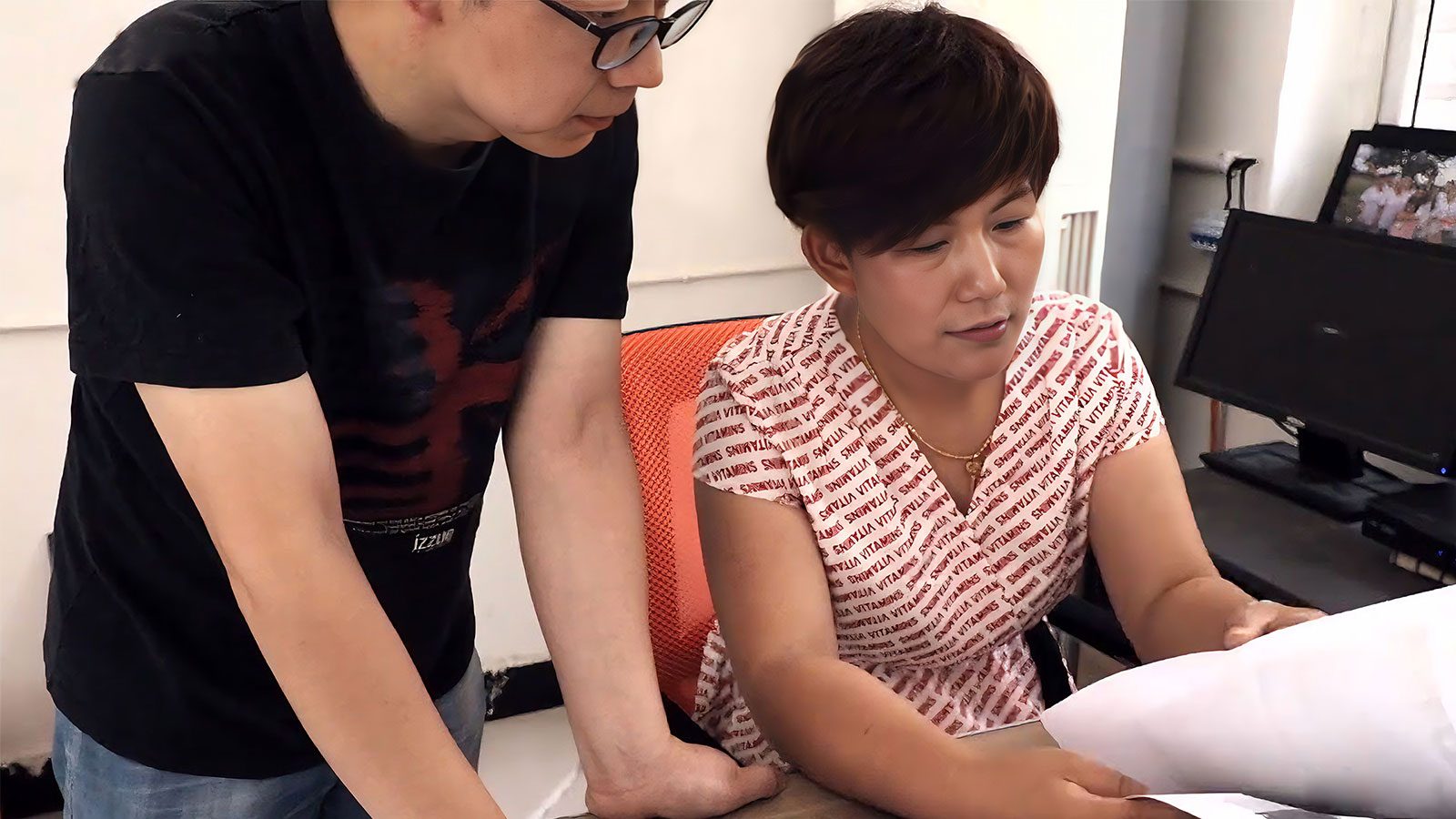
Reading and understanding a supplier's data sheet is vital for ensuring product quality and compliance. A datasheet should clearly outline key specifications like material composition, dimensions, and compliance standards. For Guangzhou-based custom pencil case suppliers, verifying that these specifications align with your needs is paramount to a smooth procurement process.
Key Data Points to Review
Start by examining the material details, including fabric type and thickness, as these directly affect the durability and aesthetic of the pencil cases. Suppliers should specify whether they offer options like polyester, canvas, or recycled RPET, indicating environmental compliance like GRS-certified materials. Important data points include fabric weight and thread count, which impact quality and ensure the materials meet desired resilience and texture.
Next, ensure that the dimensions listed match your required specifications. A standard error during production procurement is overlooking these measurements and assuming they conform to typical sizes. Be aware of both the external dimensions and internal compartments. Anomalies in these can lead to discrepancies between your expectations and the delivered product.
Compliance and Customization
Look for compliance with relevant standards, such as CPSIA for safety in children’s products and California Prop 65 for toxic substances. These regulations are critical, especially if your market includes children or involves environmental safety concerns. Suppliers like Guangzhou Ceyin Bags Co., Ltd. can ensure compliance through dedicated sections on their datasheets, aiding in quick verification.
In terms of customization, check the flexibility in options for colors, logos, and additional features like zipper types. The supplier should clearly detail what customizations are possible and any restrictions or additional costs involved. Understanding these options can aid in creating a final product that aligns with your brand's vision.
Verifying Alignment with Your Needs
After you’ve reviewed these points, it’s crucial to verify that the supplier’s capabilities align with your requirements. This includes production capacity and lead times, which determine if they can meet your order schedule. Collaborating on a sample prototype based on the datasheet before proceeding with bulk orders is a prudent strategy. It ensures that all specifications are met and reduces the risk of costly errors in mass production.
Ensuring Your Sample Fits the Invoice
A precise review of your pencil case sample against the invoice is the final safeguard against costly errors. Start by confirming all specifications match—dimensions, materials, stitching details, and logos. In case of discrepancies, work with your supplier to adjust the bulk order to match the approved sample. Frequent sampling disparities can incur unexpected costs, leading to wasted resources and rework. At SYMPATHYBAG, it's vital to align your sample to an accurate invoice, ensuring consistency and avoiding surprises in the final delivery—an alignment that translates to both time and cost savings.