SYMPATHYBAG's facility in Shiling, Huadu produces around 50,000 bags a month, covering various types including durable cooler bags. These bags are crafted with precision to ensure efficient cold storage. From selecting the right materials like polyester and RPET to detailed quality checks, each step is crucial in maintaining the durability and functionality buyers expect. The facility employs a robust in-line Quality Control system to ensure each cooler bag meets the necessary standards. Understanding this process helps buyers ensure they receive a product capable of meeting specific storage needs while being environmentally considerate, with GRS-certified recycled materials as an option.
1. Material and Tooling Specifications
Selecting appropriate materials is crucial for crafting cooler bags designed for effective cold storage. The primary fabrics include polyester and recycled polyester (RPET), which are valued for their balance of durability and cost-efficiency. Polyester, with a weight range typically spanning from 300D to 1680D, ensures robust performance under variable environmental conditions, resisting tears and abrasions crucial for outdoor usage. RPET, in turn, offers an eco-friendly alternative with GRS-certified materials available for sustainability-conscious brands.
The insulation layers integrated into these cooler bags are equally important. Common insulating materials may consist of foam or a reflective lining, each optimizing the bag's thermal retention capabilities. Thickness often varies by model, guided by the intended use-case and desired weight balance. Heavier insulation materials generally yield superior cooling retention but may add to the overall weight.
Beyond selecting materials, the tooling phase demands precision. Compatible molds and assembly tools tailored for each bag model are essential to ensure that components fit accurately. Mold dimensions must align with design specifications, as precise fitting is paramount in achieving seamless assembly and optimal performance. Misalignment at this stage could lead to compromised insulation and structural integrity.
Initial quality checks on raw materials cannot be overstated. For polyester and RPET, inspection for uniformity in texture and color, as well as consistency in thickness, ensures a high standard from the outset. These preliminary assessments help prevent downstream issues that could impact the durability and functionality of the finished product.
For buyers considering Cooler & Insulated Bags Designed for Outdoor Events, starting with quality components and understanding every phase of material selection and tooling is significant, ensuring the end product meets performance expectations.
2. Laying Out the Pattern and Cutting
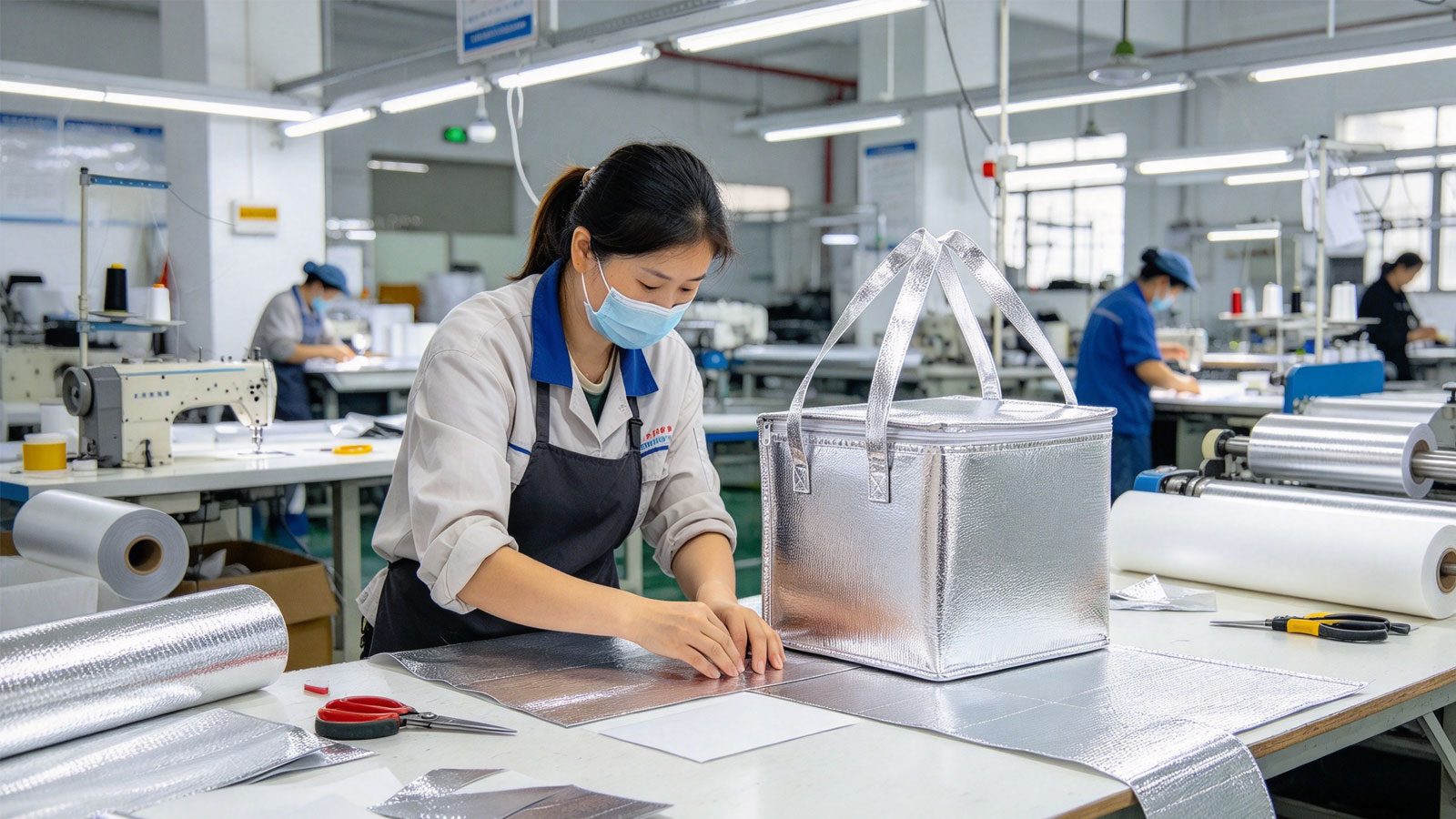
The pattern layout process is critical to reducing material waste and enhancing production efficiency. When crafting durable cooler bags, the initial step is to meticulously plan the pattern layout on fabrics like polyester or RPET, ensuring optimal utilization. By effectively positioning patterns, manufacturers can significantly lower wastage, which is crucial given the high volume production of around 50,000 bags monthly at SYMPATHYBAG. A fine balance is required between reducing waste and maintaining the necessary aesthetic and functional qualities.

Precision cutting follows, playing a pivotal role in ensuring material consistency across production runs. This phase often leverages computer-aided design (CAD) technology, which allows for highly accurate cuts. CAD systems offer the advantage of repeating designs with minimal variation, thus ensuring each cooler bag maintains uniform quality — an essential feature for extended outdoor use. By organizing the layout through software, operators can correct errors in the digital realm before they translate into costly material wastage.
Different materials, including the durable outer layers and more delicate insulation components, require varied handling approaches during the cutting process. Polyester and other tough fabrics demand robust cutting tools that can handle their tensile properties, while softer insulating layers necessitate gentler techniques to avoid compression or tearing. The skill level of the operator contributes significantly here, as they must adjust machine settings based on the material type to maintain precision.
For quality assurance, it is advisable for buyers to ask suppliers about inspection processes for cut components. Prior inspection for frayed edges, misaligned cuts, or any visible discrepancies can allow production teams to rectify issues before assembly. By instituting thorough checks, manufacturers ensure that only high-quality pieces move forward in production — critical for the reputation in providing Durable Cooler & Insulated Bags for Extended Outdoor Use. Through these meticulous steps, both material efficiency and cutting accuracy are upheld, aligning with industry standards for quality.
3. Assembling the Bag
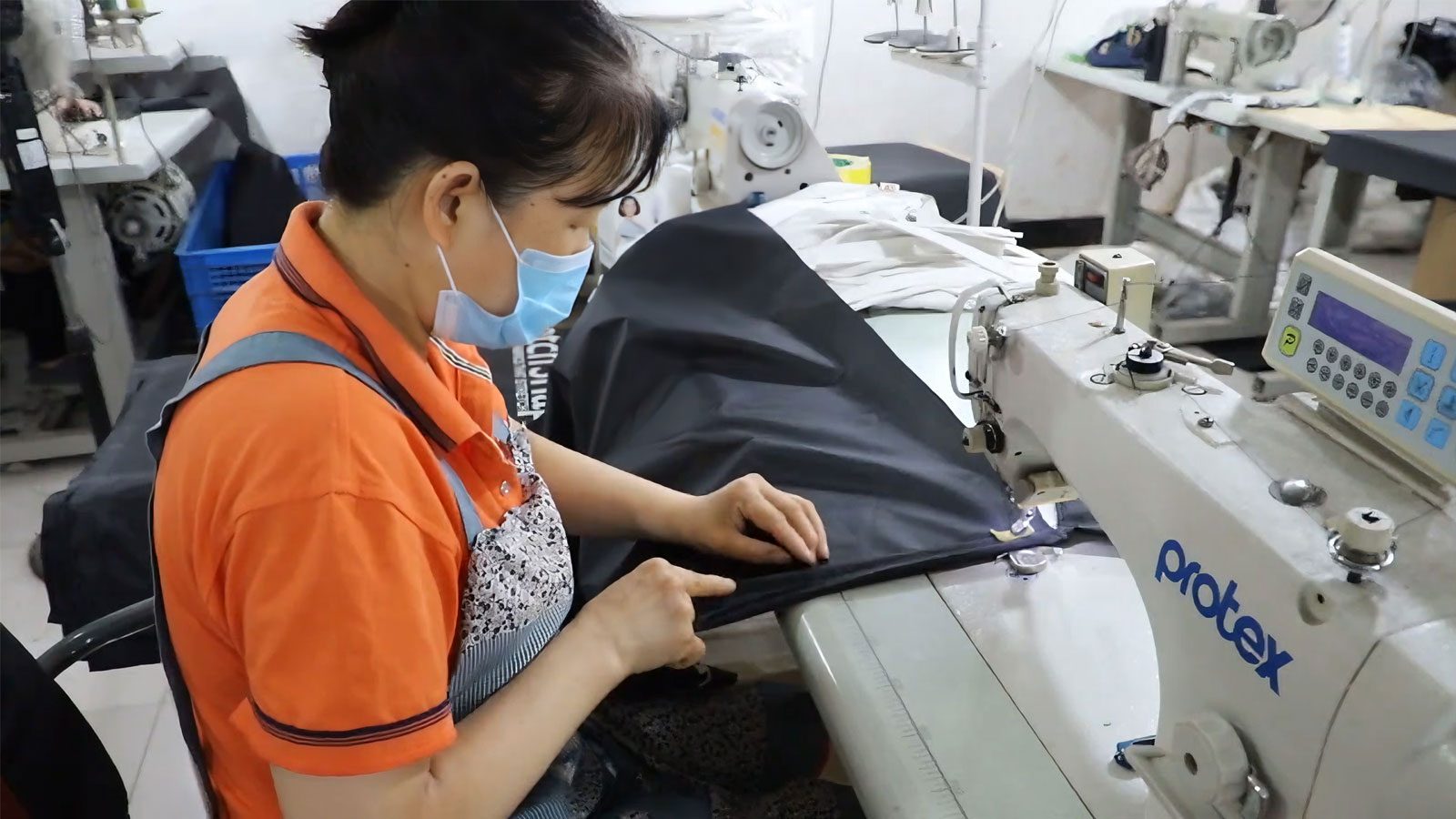
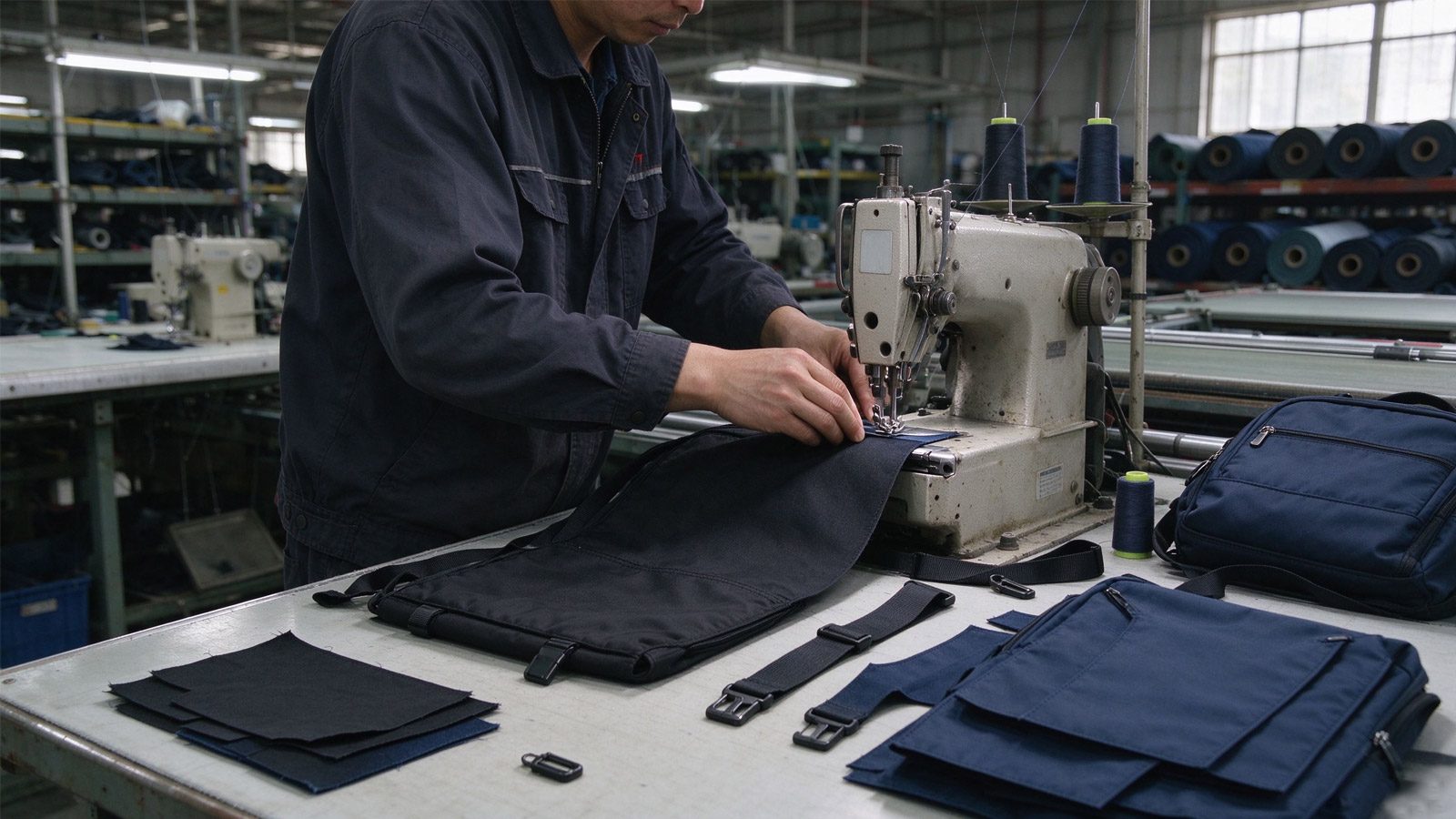
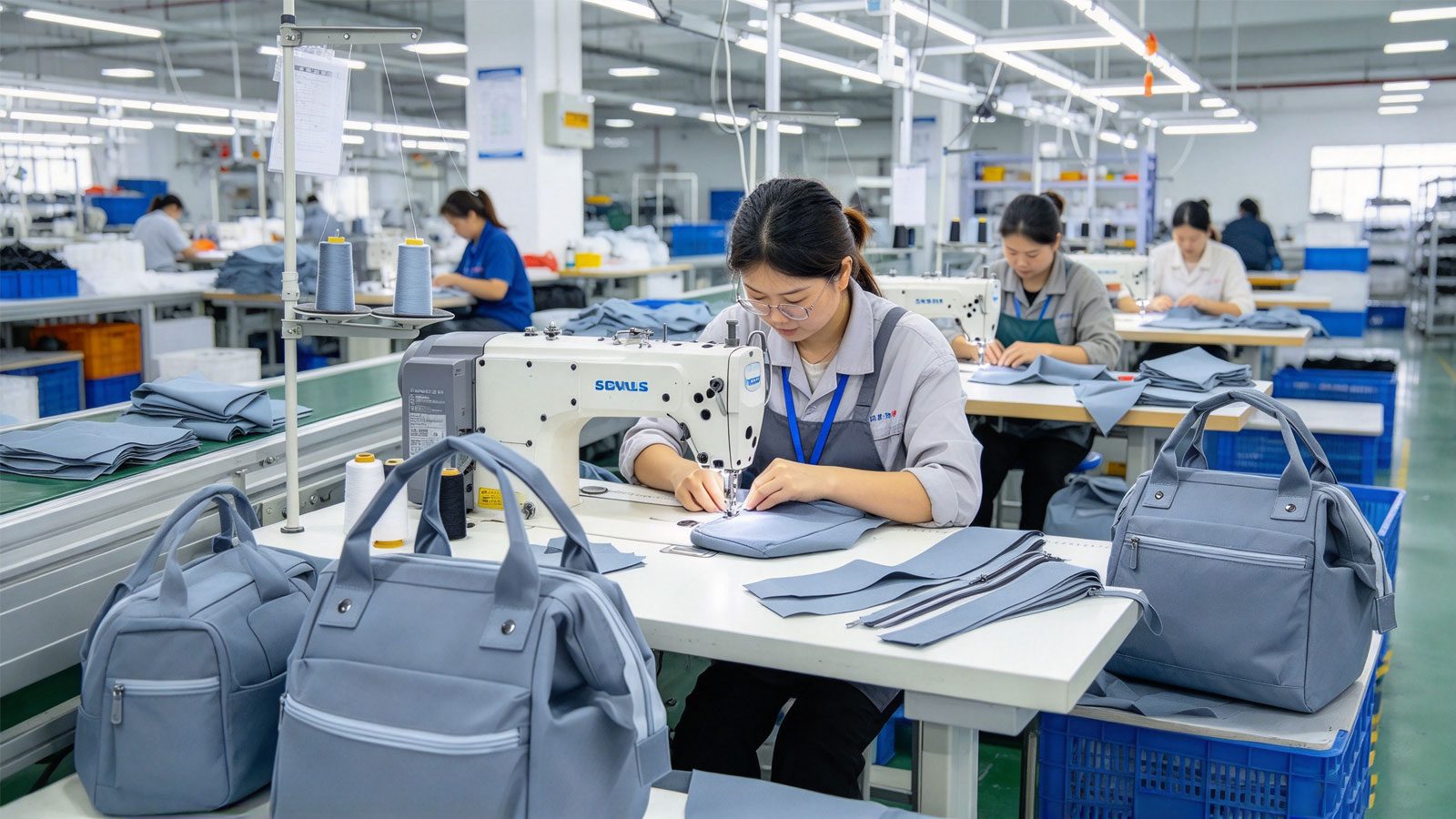
The assembly of cooler bags is a meticulous process that requires precision to ensure their durability and effective insulation. Sewing processes form the crux of this assembly stage, where strong seams are critical. To achieve this, industrial-grade sewing machines and heat-sealing equipment are employed. These machines create durable seams that withstand the rigors of usage—particularly in high-stress areas, such as corners and edges, where reinforced stitching is applied. This reinforcement involves double-stitching or using bar tacks that significantly enhance seam integrity.
Another vital aspect of assembling cooler bags is the inspection during assembly. Conducting regular checks to identify potential issues with stitches or seams is a general industry practice. Immediate identification and correction reduce the risk of defects reaching the final product stage.
Incorporating zippers and other closures is another crucial step. Zippers are integral to providing easy access while maintaining temperature integrity. In cooler bags, these are typically heavy-duty, corrosion-resistant zippers that can endure repeated usage without faltering. Their installation is methodical, ensuring straight, flush placement to prevent any gaps that might compromise insulation. During this installation, the alignment of insulation layers is closely monitored, as misalignment can cause thermal leaks that weaken the cooler's performance.
Achieving this precise alignment of insulation layers involves meticulous layer-by-layer inspection, ensuring that all layers align perfectly without gaps or overlaps. This alignment is essential in maintaining the bag's cold-storage efficiency, as any inconsistency in the insulation can lead to uneven temperature distribution.
In summary, the assembly of cooler bags is a complex and detailed process, requiring attention to seam integrity, closure installation, and insulation alignment. Each step is critical to delivering a durable, high-performance cooler bag.
4. Quality Control and Testing
In the production of cooler bags, quality control and testing are paramount to ensure each item meets the rigorous standards expected by customers. Key elements that are scrutinized include seam strength, insulation properties, and waterproof capabilities, all critical to the product’s performance.
Buyers may consider asking suppliers about seam strength tests, where tension is applied to the bag's edges to check its durability under pressure. Seam strength directly impacts the bag's durability and can be a failure point if not adequately addressed.
Equally important is the assessment of insulation properties. Buyers should inquire about the methods used to evaluate insulation layers, such as thermal tests, to ensure they can maintain desired temperatures over a specified period. This is crucial for bags intended to retain cold storage.
For waterproof capabilities, it is advisable to check whether suppliers conduct tests simulating wet conditions to examine the material's integrity against leaks. Ensuring the cooler bag remains effective in various environments is vital. Information about leak-proof designs can be found by checking our Cooler & Insulated Bags with Leak-Proof Design.
Additionally, buyers should verify whether size and storage capacity measurements are accurately performed to ensure compliance with customer specifications. This can support adherence to certifications such as CPSIA and REACH, which prevent consumer safety risks and support compliance with environmental regulations.
Quality Control Specifications
| Property | Typical Value | Why it Matters |
|---|---|---|
| Seam Strength | ≥ 200 N/m | Ensures durability and prevents leaks |
| Insulation Efficacy | 12+ hours at < 10°C | Maintains contents at safe, usable temperatures |
| Waterproof Rating | IPX6 | Protects against heavy rain or light splashes |
| Size Accuracy | ± 1 cm | Guarantees consistency and proper storage size |
| Certification Compliance | CPSIA, REACH | Meets regulatory guidelines for safety and quality |
5. Common Pitfalls and Mitigation Measures
Whether you're crafting standard cooler bags or custom designs, certain pitfalls can disrupt production. A common issue is the misalignment of materials during assembly, which often originates from inaccurate cutting processes or improper handling of fabric during stitching. Such misalignment can lead to distorted structure and compromised insulation. To counter this, meticulous attention must be paid to ensuring alignment during the cutting stage and maintaining taut fabric tension when feeding materials into sewing machines.
Seam integrity is critical for cooler bags, yet seam failures remain a prevalent issue. Poor seam construction happens when the stitching doesn't accommodate the stress requirements of the bag or when substandard thread quality is used. Using higher-grade threads and reinforcing high-stress areas with double stitching can mitigate these concerns. Additionally, testing the seam strength in various conditions can further assure durability.
Issues with material defects particularly affect insulation performance. Defects such as inconsistent insulation thickness or faults in the barrier material can lead to uneven temperature retention. To reduce the risk of incorporating defective components into the build, it's advisable for buyers to source from reputable suppliers and request rigorous inspections of materials.
Moreover, improper cutting can lead to compromised bag durability—incorrect dimensions may force materials to stretch beyond intended limits, exacerbating wear and tear. Employing precision cutting technology and regular maintenance of cutting tools ensures accuracy and promotes material longevity. Regular checks and calibrations of equipment ensure each cut aligns perfectly with the design specifications.
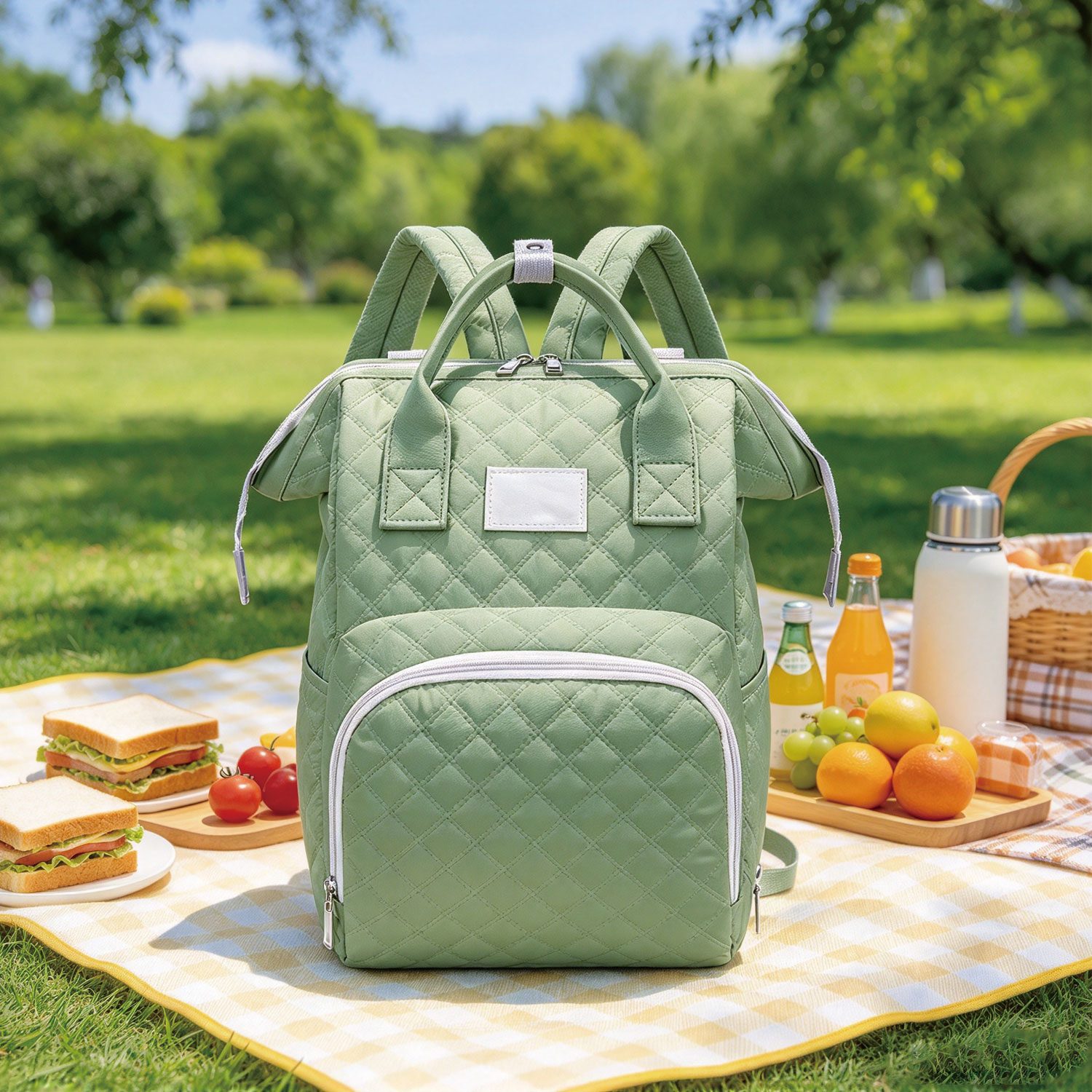
Finally, proactively addressing these errors involves training personnel to recognize warning signs early, implementing corrective actions swiftly, and adopting a continuous improvement approach where lessons learned become part of the standard operating procedure. By focusing on these mitigation measures, manufacturers can significantly elevate the quality and reliability of cooler bags produced.
6. Final Packing and Shipment
Packing and shipment are crucial to ensuring the cooler bags reach you in pristine condition. It is important to choose packing materials that can absorb shocks and prevent moisture damage, with options such as corrugated cardboard boxes and polyethylene foam inserts. This combination helps ensure durability despite the rigors of shipping and handling.
Labels and branding are then affixed according to each buyer's requirements. Customized branding involves applying printed labels or heat-transferred logos directly onto each bag, ensuring clear visibility. This step is vital in maintaining brand integrity and allows easy identification once the products are distributed to retailers or end customers.
Eco-friendly packaging options are generally available in the industry. Buyers can consider using recycled materials, which can align with Cooler & Insulated Bags with Eco-Friendly Materials offerings. Using packaging that is biodegradable or compostable contributes to environmental sustainability and resonates with eco-conscious consumers.
Before dispatch, each shipment undergoes a final quality check, ensuring that every bag fulfills the pre-confirmed specifications. Conducting quality checks is essential to maintain standards and catch any discrepancies that might arise during packaging.
Efficiency is prioritized in optimizing packing to minimize shipping costs. This involves smart stacking and package configuration, reducing void spaces and ensuring the maximum number of bags per shipment. This approach not only cuts down transportation expenses but also reduces the carbon footprint per shipped unit, providing buyers with a cost-effective solution aligned with their logistical strategies.
7. Your Next Steps in Cooler Bag Selection
When choosing a cooler bag, focus on the capacity and material suited to your storage needs, the insulation thickness, and the durability of closures like zippers. Collaborating with SYMPATHYBAG allows for tailoring these aspects, including preferred logos or eco-materials.
Ensure your supplier meets standards like CPSIA to guarantee safety. Always evaluate samples for finish and construction quality before proceeding with large orders. Discuss with suppliers about specific bag specs, from the insulation used to expected lead times. Remember, reviewing these elements thoroughly can make or break the effectiveness of your cooler bag choice.