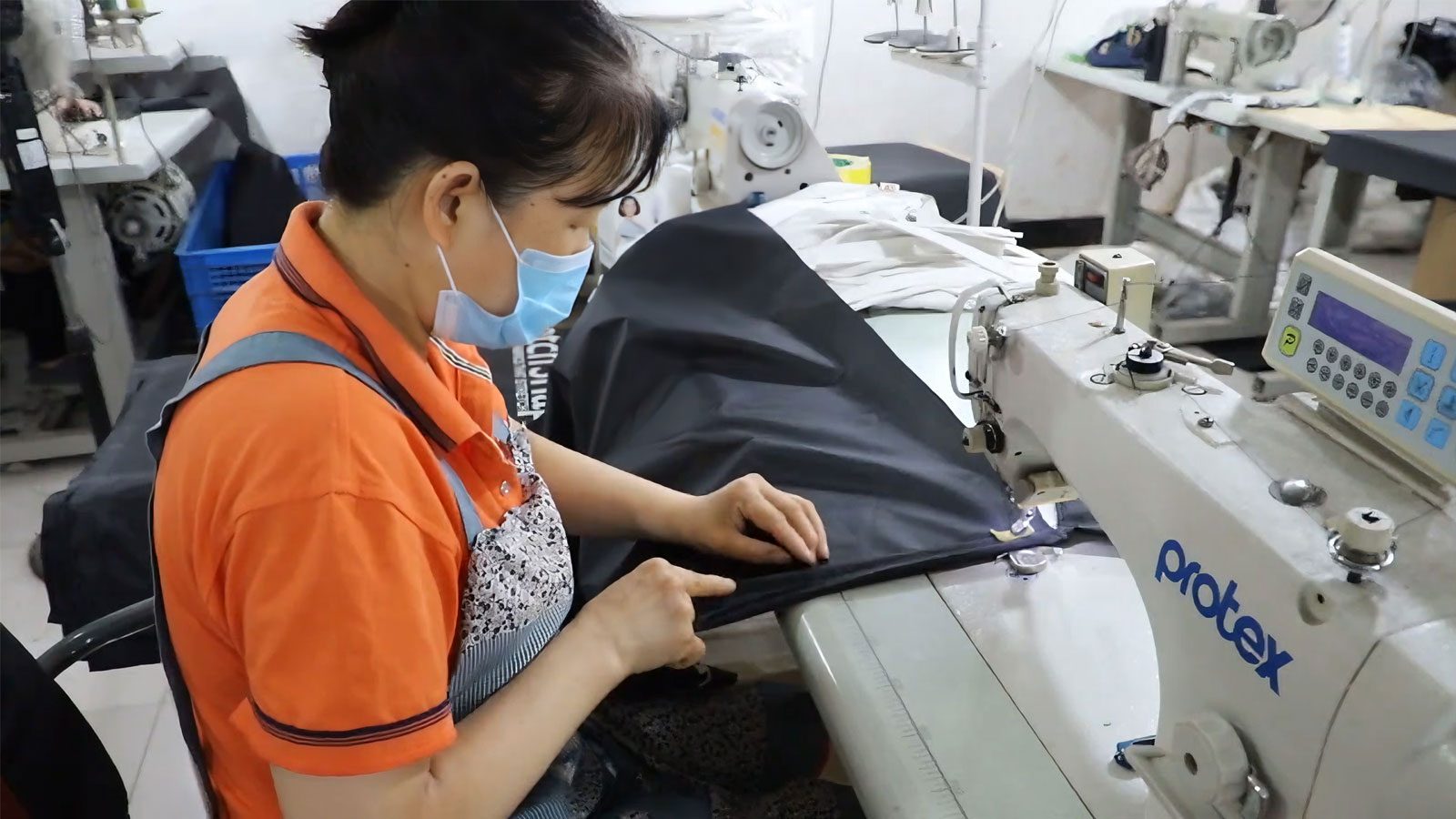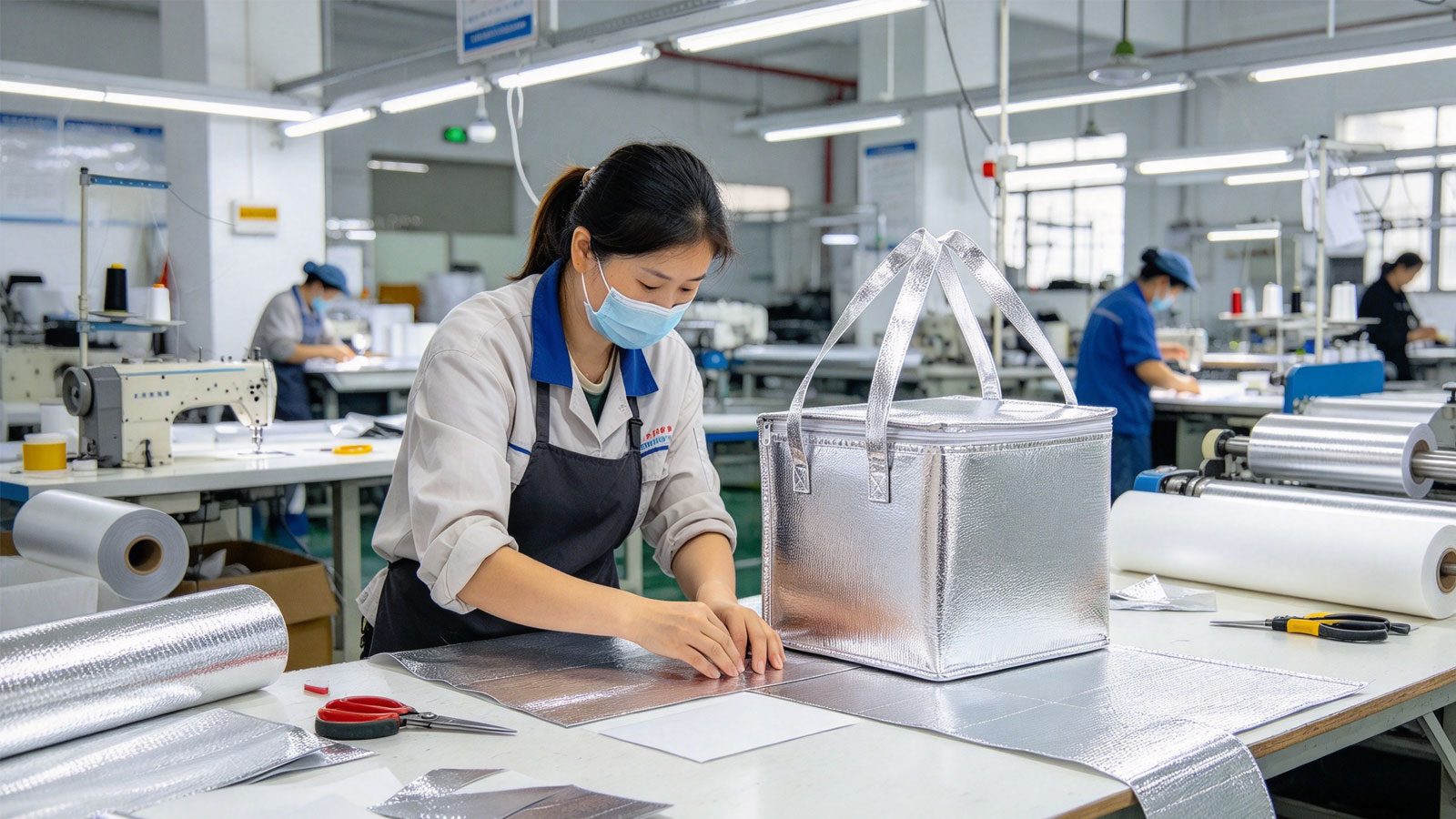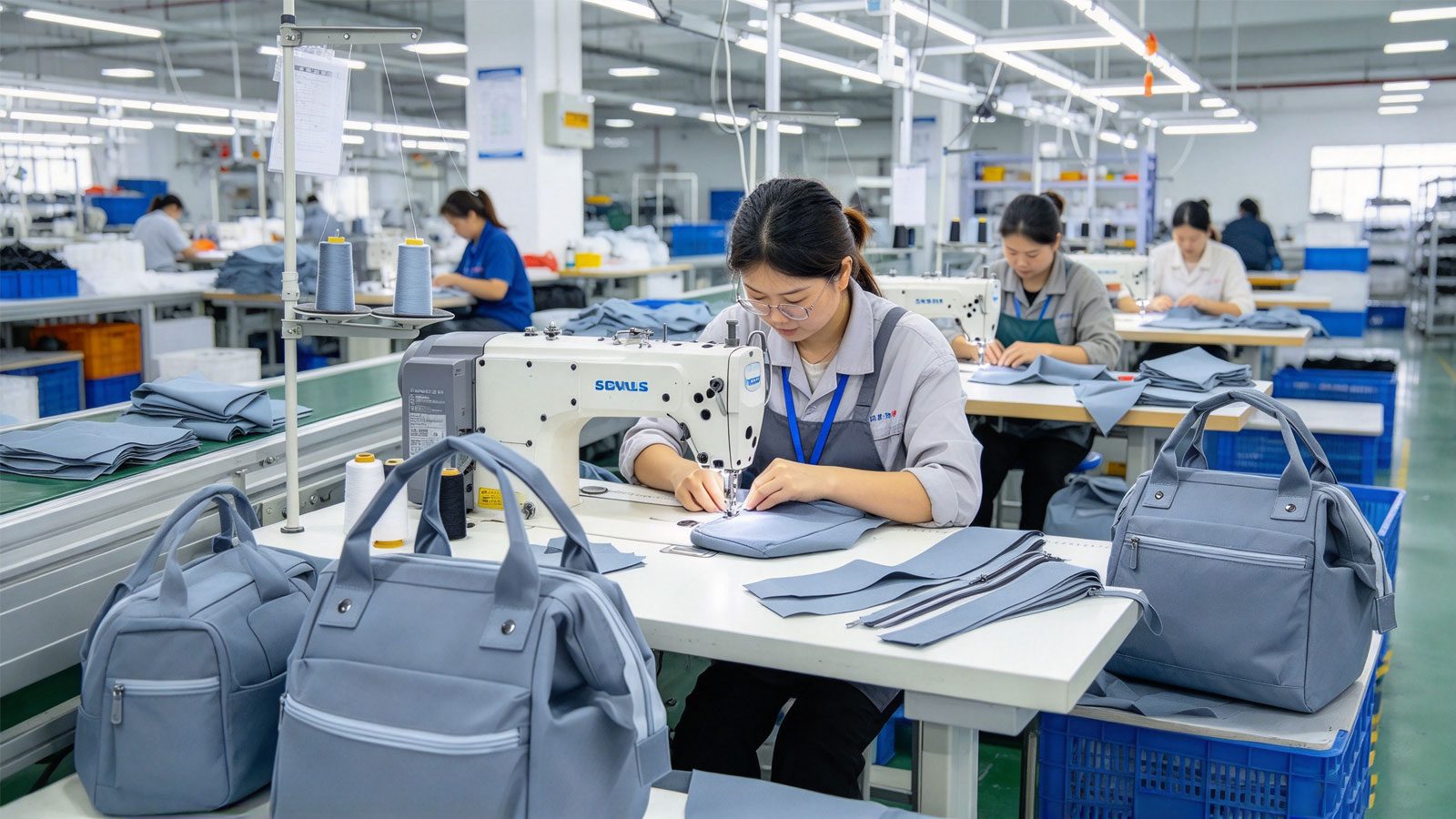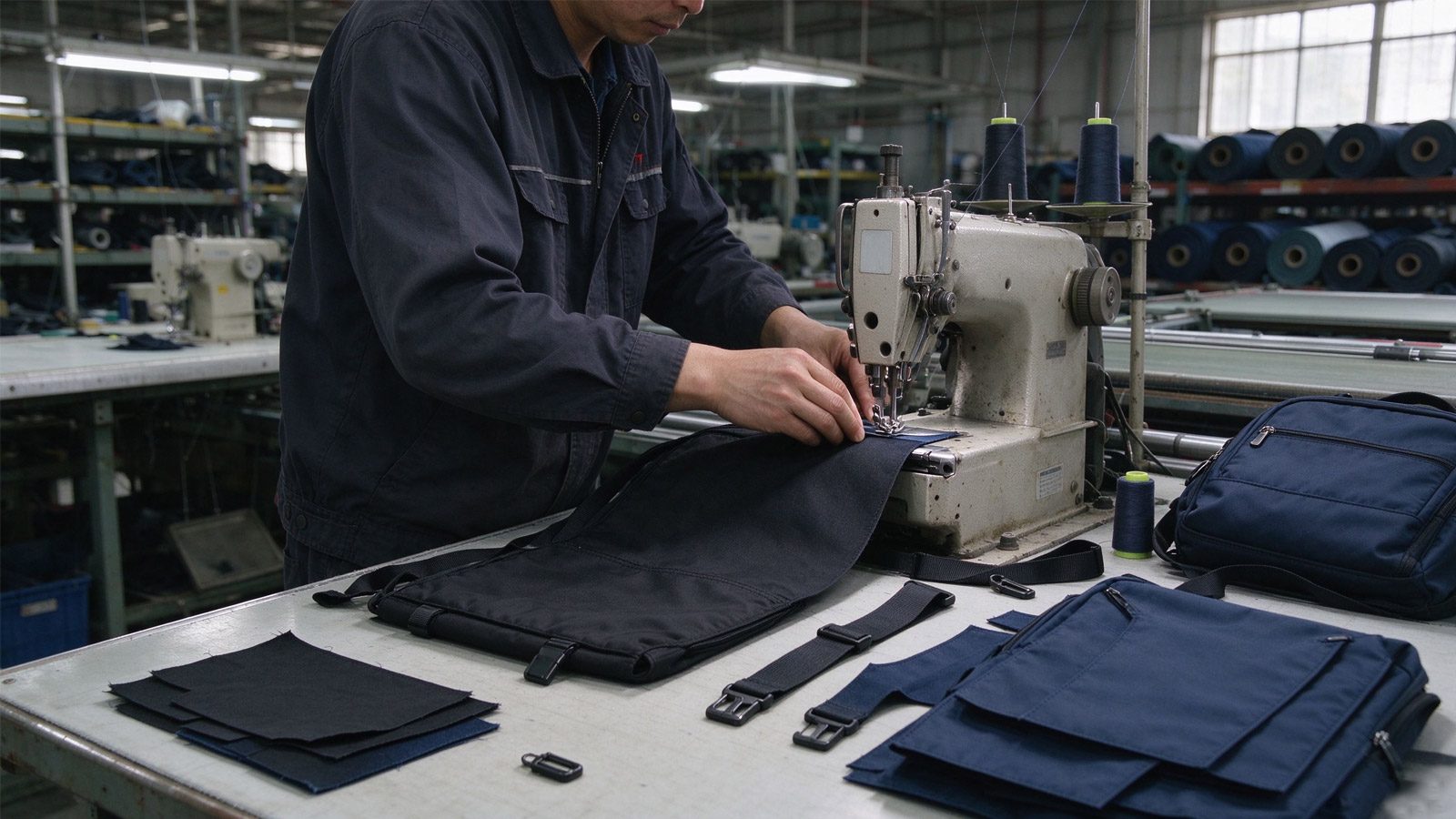
When deciding between full customization and standard options in backpack manufacturing, the key difference lies in flexibility versus efficiency. Full customization allows you to dictate every aspect—from fabric type to design specifics—ensuring the product aligns perfectly with your brand vision. However, it often requires a longer lead time and higher costs due to unique production needs. In contrast, standard options offer quicker turnaround times and reduced expenses as they build on existing designs. With SYMPATHYBAG's expertise, businesses can benefit from tailored advice on choosing the right path, balancing brand alignment against production efficiency. Important factors such as material specifications, MOQ, and compliance with standards like ISO 9001 should also inform your decision.
The Choice: Customization or Standard?
Navigating the decision between full customization and standard options in backpack manufacturing ultimately boils down to aligning operational needs with business strategies. Full customization provides unparalleled flexibility, allowing products to be tailored precisely to a brand's unique vision and market demands. This is essential for businesses looking to carve out a distinct niche or to fulfill specific aesthetic or functional requirements. On the contrary, standard options shine by offering efficiency and speed, often fitting the bill for brands that prioritize rapid market entry and cost efficiency.
Full Customization Benefits
The flexibility of full customization permits brands to align products tightly with their values and customer expectations. This means selecting precise fabrics, colors, and components, like zippers and linings, which can greatly enhance the perceived value and brand affinity. Guangzhou Ceyin Bags Co., Ltd., under its brand SYMPATHYBAG, exemplifies this capability, by enabling clients to create truly unique products through an extensive range of materials like polyester, canvas, and even GRS-certified recycled RPET.
However, this path can come with increased lead times and logistics complexities, as each custom project may involve new component sourcing and bespoke production lines. Costs could also rise due to the intense design input and non-standard materials required. Despite these potential hurdles, many brands find that the alignment with their target market and the resulting brand differentiation justify the investment.
Advantages of Standard Options
Standard options, meanwhile, focus on efficiency and reliability. Utilizing pre-designed templates and materials, these products often ensure quicker production times and substantial cost savings. This efficiency makes standard solutions optimal for businesses catering to broader markets or those working within tighter budgets and schedules. The streamlined shipping found in standard options further reduces costs and improves logistical ease.
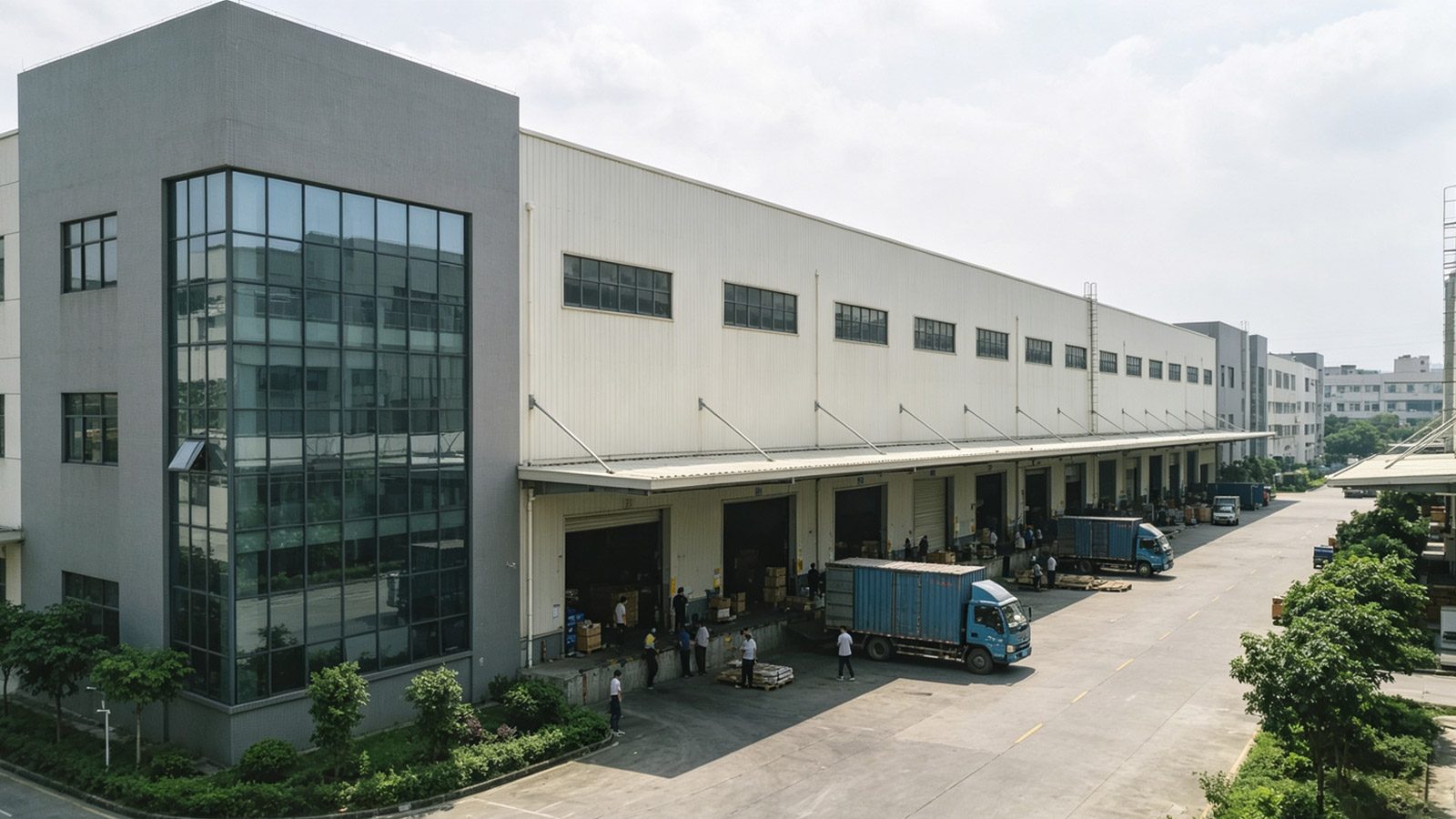
SYMPATHYBAG leverages its robust infrastructure, which includes a 5,000 m² factory with 150+ machines, to maintain quality and consistency in both customizable and standard offerings. Their ability to handle approximately 50,000 bags per month underlines their capacity to support large-scale standard production, reducing client wait times significantly.
Choosing between these two approaches isn't just a matter of preference—it's a strategic decision that influences production schedules, budget allocations, and market readiness.
SYMPATHYBAG's dual capacity to support both customization and standard production ensures it is equipped to advise clients on maximizing the benefits of their selected production strategy. For further insights into SYMPATHYBAG’s capabilities, consider reviewing their detailed guide on Determining ODM Capabilities in Custom Backpack Manufacturing.
The decision between full customization and standard options ultimately impacts not just the final product but also how the brand is perceived in the market, affecting long-term customer engagement and loyalty.
Where Full Customization Excels
In backpack manufacturing, full customization offers unparalleled flexibility, enabling brands to precisely craft products that resonate with their unique identity and market positioning. This approach allows businesses to select from a broad array of materials—ranging from standard polyesters to high-performance Cordura-type nylons or eco-friendly GRS-certified RPET fabrics, allowing them to fulfill specific aesthetic and functional needs. For example, the choice between a rugged, water-resistant fabric for outdoor packs or a sleek, polished finish for business backpacks can significantly influence a product's market appeal.
Moreover, the potential for significant brand differentiation and exclusivity is heightened when opting for full customization. A uniquely tailored design can set a brand apart in a crowded marketplace, offering customers something they can’t find elsewhere. By customizing the fabric, color, hardware, and even the logo, brands can create distinctive products that reinforce their market position and support their brand story. This exclusivity can be a compelling selling point, attracting consumers interested in owning something special that speaks to their personal style or values.
Customization also allows brands to meet specialized compliance needs. For instance, SYMPATHYBAG can tailor products to adhere to specific safety and standard requirements such as CPSIA for children's products. This compliance ensures that custom products not only meet legal obligations but also instill confidence in consumers about safety and quality, which is particularly crucial for markets like school backpacks.
A crucial aspect of full customization is the flexibility in Minimum Order Quantities (MOQ). For unique designs and special orders, custom manufacturers like SYMPATHYBAG offer lower MOQs compared to standard mass production. This flexibility can be particularly advantageous for small businesses or startups that need limited runs to test new products in the market without the burden of large inventory investments.
The role of in-house R&D is pivotal in supporting unique customization projects. At SYMPATHYBAG, the R&D department serves as the crucible for innovation, transforming initial sketches, tech-packs, or sample references into final products. The hands-on approach of R&D provides a direct link between conceptual design and manufacturing practicality, ensuring that the finished product meets the original design intent while adhering to functional and logistical requirements.
In conclusion, full customization in backpack manufacturing is not merely about creating a product that stands out but building a comprehensive brand experience that fulfills precise market requirements and customer expectations. This comprehensive approach can position brands favorably in competitive markets, ultimately leading to a more impactful and exclusive product offering.
When Standard Options Lead the Way
When time is of the essence and the market demands a swift response, standard options in backpack manufacturing shine. These options leverage pre-existing templates and processes, enabling significantly quicker production times compared to custom alternatives.
For businesses under tight deadlines or those requiring rapid market entry, these time savings can be crucial. Using standard patterns and designs allows manufacturers like SYMPATHYBAG to streamline their operations. This means that instead of spending time on prototype development and unique material sourcing, the production line can focus on traditional assembly methods. Thus, standard options enable a faster transition from order to final product — a compelling factor for businesses needing to capitalize on current trends or seasonal demands.
Financially, standard backpack options lead to lower costs primarily due to the streamlined nature of manufacturing. Without the need to accommodate unique design demands or special materials, the production process is more direct. Cost efficiency is further bolstered by economies of scale achieved through bulk production runs of established designs. This is ideal for companies where budget constraints are paramount, as it allows more competitive pricing in the retail market.
Moreover, standardized products typically follow set quality benchmarks like ISO 9001, which governs quality management systems. Adherence to this standard ensures products meet consistent quality and performance requirements, providing assurance regardless of the batch size. For buyers, this means reliability — knowing each unit meets the same scrutiny and standards.
Logistically, standard options offer noticeable advantages. They simplify shipping arrangements since products are uniform and packaging requirements are consistent. This reduces complexities associated with tailor-made packaging solutions demanded by customized orders. Uniformity in size and shape facilitates easier stacking and handling, which in turn can lower shipping costs and hasten delivery times.
For businesses prioritizing these logistics, standard options are incredibly appealing. Simplified processes lead to fewer shipment errors, and shipping in bulk often commands better rates. These logistical efficiencies contribute to more predictable timelines and costs — a significant advantage for businesses with fixed delivery schedules.
While exploring options for different bag needs, standard options can sometimes align surprisingly well with intended uses, especially if you assess related offerings such as those detailed in SYMPATHYBAG's guide on Navigating Customization Options for Canvas Tote Bags. This flexibility across different bag types provides a pragmatic choice for many companies.
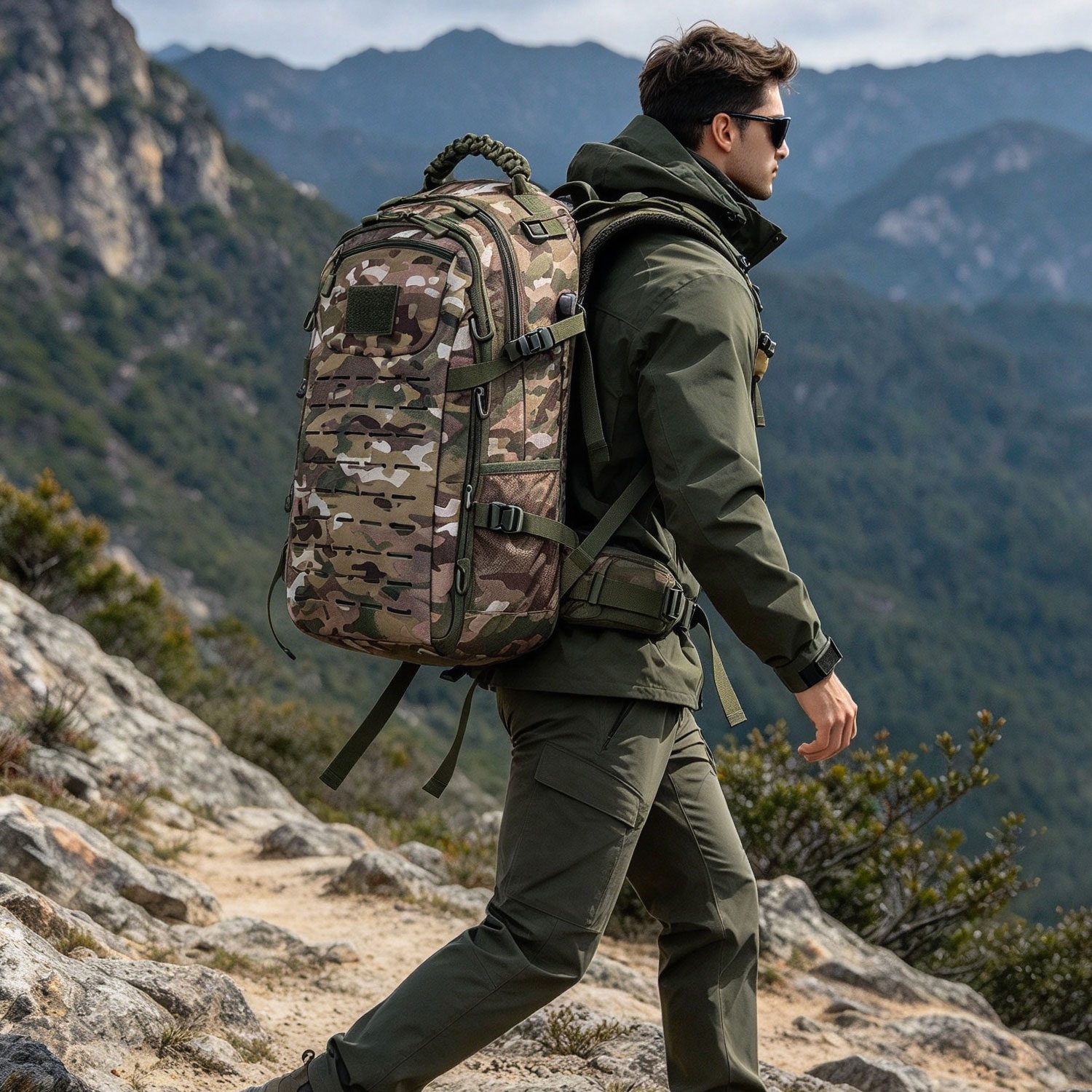
In summary, for many businesses, the predictability and efficiency of standard backpack options serve an essential role in maintaining competitive edges in dynamic markets.**
Comparing Customization and Standard Options
In the realm of backpack manufacturing, selecting between full customization and standard options involves weighing several key factors. Each methodology presents distinct advantages and disadvantages concerning production schedules, budgets, quality standards, scalability, and design capabilities. Detailed below is a comparative assessment designed to aid decision-makers in this crucial selection process.
Production Timelines
Lead times differ markedly between customization and standard options. Fully customized backpacks typically require more extensive development phases, involving design, prototyping, and testing. This comprehensive process can significantly extend lead times. Standard options, on the other hand, benefit from existing designs and established production workflows, leading to much quicker turnaround times. For instance, using standardized templates reduces the need for rigorous approval processes, allowing manufacturers to deliver products faster.
Cost Considerations
Bespeaking costs between bespoke solutions and off-the-shelf models represents another major differentiation. The expense associated with full customization is generally higher, reflecting the added value of tailored materials, unique designs, and specialized components. However, these custom options also hold the potential for greater market differentiation. In contrast, standard options typically offer cost efficiencies due to the bulk production of standardized items, reduced material variations, and minimized design expenditures.
Safety and Quality Standards
Adherence to safety and quality standards plays a central role in both manufacturing approaches. Customization often allows for compliance with niche standards such as CPSIA when required, ensuring products meet stringent safety requisites. Nonetheless, standard options usually conform more broadly accepted norms, such as ISO 9001, that streamline approval processes and ensure consistent quality without the need for intensive verification stages.
Minimum Order Quantities (MOQ) and Scale Efficiencies
The MOQ and production scale efficiencies differ significantly as well. Customized backpacks frequently demand higher MOQs due to bespoke processes and specialized components, making them more feasible for larger orders. In contrast, standard options afford greater flexibility with MOQs due to their scalable nature, allowing cost reductions on smaller batches—an advantageous factor for businesses operating with space or budget constraints.
Design Versus Efficiency
Customization provides unmatched design flexibility, crucial for brands aiming for distinctiveness. However, this can compromise production efficiency due to increased complexity in manufacturing processes. Standard options simplify production, leading to improved throughput and consistency, albeit at the expense of unique branding features.
Customization vs Standard Options
| Aspect | Customization | Standard Options | Lead Time | Cost Implications |
|---|---|---|---|---|
| Design Flexibility | High | Low | Longer | Higher due to tailored design |
| Production Efficiency | Lower | Higher | Shorter | Lower due to streamlined processes |
| MOQ | Higher | Lower | Variable | Variable |
| Compliance with Niche Standards | CPSIA possible | Typically ISO 9001 | Variable | Costly for custom compliance |
| Market Differentiation | Higher | Lower | Longer | More economical |
In summary, the choice between customization and standard options hinges on balancing the need for design flexibility with the desire for production efficiency. Customization caters to brands seeking unique market positioning, while standard options appeal to those prioritizing economy and speed.
Choosing the Right Option for Your Needs
Deciding between full customization and standard options in backpack manufacturing hinges on several key criteria specific to your business context and market demands. Full customization benefits niche markets or specialized brand initiatives that require unique features and exclusive designs. An example of this scenario could be a tech startup looking for a backpack that integrates solar panels for device charging — a feature unlikely to be available in standard models. In such situations, the investment in bespoke options is justified by the increased market differentiation it offers.
Conversely, choosing standard options is often prioritized when cost efficiency and speed are paramount. Businesses targeting budget-conscious consumers or those with straightforward needs — like a school opting for simple, durable backpacks — may find standard models ideal. By leveraging existing templates and streamlined manufacturing processes, these options offer significant cost savings and reduced production times. This efficiency can be crucial for meeting tight deadlines, such as restocking for a seasonal sales peak.
Seasonal trends and fluctuating market demands further influence the decision between customization and standard options. A fashion retailer, for instance, may pursue full customization to capture a unique style in line with new season trends, thus appealing to early adopters and fashion-forward customers. Meanwhile, those focusing on established, evergreen designs may benefit from the predictability and reliability of standard offerings, ensuring a consistent supply chain and inventory control.
For buyers weighing these choices, several criteria must be considered. The extent of design uniqueness required, cost limitations, production volume, and time constraints all play pivotal roles in decision-making. It's crucial to compare how each option aligns with these factors to ensure it supports your strategic goals and market positioning.
At SYMPATHYBAG, we understand that navigating these factors can be daunting. Our advisors work closely with clients to comprehensively assess their needs and guide them on the most suitable path. Our team supports your journey in choosing the right option by providing insights into our customization capabilities, which you can learn more about through our coverage of How SYMPATHYBAG Integrates Customization into OEM Bag Manufacturing. Our hands-on approach ensures that whether you opt for customized or standard solutions, your decision is informed, supported by practical knowledge, and well-suited to your market requirements.
Ultimately, choosing the right manufacturing option is a strategic decision that impacts your brand's identity and operational efficiency. By aligning the choice with short-term needs and long-term goals, businesses can optimize product offerings, maintain competitive advantages, and effectively meet market expectations.
Common Pitfalls in Making a Choice
When deciding between full customization and standard options in backpack manufacturing, several pitfalls could derail an otherwise well-planned venture. Understanding these challenges helps ensure that your choice aligns with your strategic objectives.
Overlooking the True Cost Implications of Full Customization
One of the most common missteps is underestimating the overall costs associated with full customization. Buyers might be lured by the promise of a unique design that stands out in the market but fail to account for the increased expenses this approach might entail. Customization often requires specialized materials, bespoke tooling, and dedicated manufacturing processes, which can significantly raise costs beyond initial estimates. These costs are compounded if the manufacturing run is small, as economies of scale cannot offset the additional expenses. Prospective buyers must thoroughly assess their budget and forecast potential returns on investment to ensure that the financial outlay is justified.
Underestimating the Time Required for Customized Options
Another frequent oversight is downplaying the time commitment needed for customized production. Full customization isn’t just about making a unique product; it involves detailed collaboration between the buyer and the manufacturer to refine designs, select materials, and develop prototypes. This process can be time-consuming and requires ample communication to ensure every detail aligns with brand expectations. Moreover, any modifications during prototyping can extend timelines further, thus impacting the schedule for market launches. It's crucial to plan for these potential delays and coordinate timelines carefully to avoid market readiness issues.
Failure to Match Production Needs with Vendor Capabilities
A mismatch between production needs and vendor capabilities can lead to unfulfilled expectations. When opting for full customization, it is essential to confirm that the selected manufacturer has the requisite capability and capacity to deliver on bespoke projects. For instance, does the vendor have the technical expertise and suitable equipment to handle specialized fabrics or complex designs? Vendor limitations can result in compromised quality or delayed deliveries, both of which can be detrimental to brand reputation. Verifying the manufacturer's track record and capacity for similar projects can mitigate such risks.
Neglecting to Consider Standards Compliance in Decision-Making
Ignoring necessary standards compliance can lead to regulatory challenges, particularly in regions with stringent requirements like the United States. Customized backpacks may need to meet specific standards such as CPSIA for child safety or California Prop 65 for material restrictions. Failing to address these compliance needs during the planning phase can result in costly redesigns or rejections, thus extending timelines and increasing frustrations. Proactively including compliance checks within the design and production phases ensures that the final product meets all necessary standards.
Ignoring Logistical or Supply Chain Constraints
Lastly, neglecting logistical or supply chain constraints is a common, avoidable pitfall. Full customization often requires sourcing diverse materials that might not be immediately available, potentially causing supply chain bottlenecks. Additionally, transporting bespoke products can sometimes involve additional regulatory checks or shipping complexities, slowing down the delivery process. Proper planning with supply chain stakeholders and considering logistics early in the project can alleviate these issues. Aligning suppliers and logistics partners from the get-go ensures smooth operations that adhere to the timeline and reduce surprises later on.
In conclusion, while full customization offers allure, understanding and mitigating these common pitfalls is crucial for ensuring a balanced decision that aligns with both market ambitions and operational realities.
Summary: Balancing Customization and Efficiency
Deciding between full customization and standard backpack options involves balancing brand alignment with operational efficiency. Full customization offers unparalleled brand uniqueness but requires careful consideration of cost and time. On the other hand, standard options deliver speedy and cost-effective solutions. SYMPATHYBAG excels by offering a flexible array of tailored manufacturing solutions, ensuring that informed decisions lead to superior outcomes. By understanding these dynamics, businesses can better align their product strategies with market needs and operational capabilities, ultimately enhancing their competitive edge.