In cooler bag manufacturing, producing around 50,000 units a month demands precision. It's not just about assembling materials; each step, from initial specifications to final inspections, must be meticulously executed. The ODM process at SYMPATHYBAG ensures that every bag meets defined quality standards, emphasizing custom options in fabrics and branding elements. With full control from concept to shipment, manufacturers can focus on scaling and ensuring their unique market presence. For businesses in the promotional, outdoor, or retail sectors, understanding this process means delivering products that stand up to consumer expectations and withstand everyday use. This guide will dissect each phase to show how a precisely managed ODM process makes all the difference.
1. Input Specifications: What Goes In
In the production of cooler bags, selecting appropriate materials is a foundational step. At Guangzhou Ceyin Bags Co., Ltd., material choices frequently include 300D-1680D polyester, which offers durability and resistance to wear, making the bags suitable for outdoor use. Additionally, GRS-certified recycled (RPET) materials emphasize eco-friendly practices, catering to environmentally-conscious consumers. Canvas, known for its rugged texture, is another viable option, adding an element of aesthetic appeal alongside strong structural integrity.
Custom branding options such as colors and logos are pivotal in defining the bag’s identity. Companies often request specific pigments and logo placements to align with their branding strategy, enhancing market differentiation. With SYMPATHYBAG's comprehensive material library, clients can select from a vast array of pre-curated designs, offering both versatility and tailored customization — key in meeting diverse design needs.
Tooling and Pattern-Making
Tooling is a critical first step. It involves creating precise patterns and molds that guide the cutting and stitching phases. These patterns ensure that each element of the bag conforms to specified dimensions — a crucial factor for maintaining uniformity in mass production. The precision of these tools directly impacts the efficiency and output quality during the subsequent steps of manufacturing.
Spec Requirements
Every cooler bag produced meets detailed specifications regarding dimensions, fabric weight, and additional features like insulation and zipper types. These specs ensure that the finished product aligns with both functional and aesthetic goals, setting a foundational standard for quality. The involvement of in-house R&D in these initial phases guarantees that each design is triple-checked for feasibility before moving to the cutting stage.
2. Cutting and Preparation
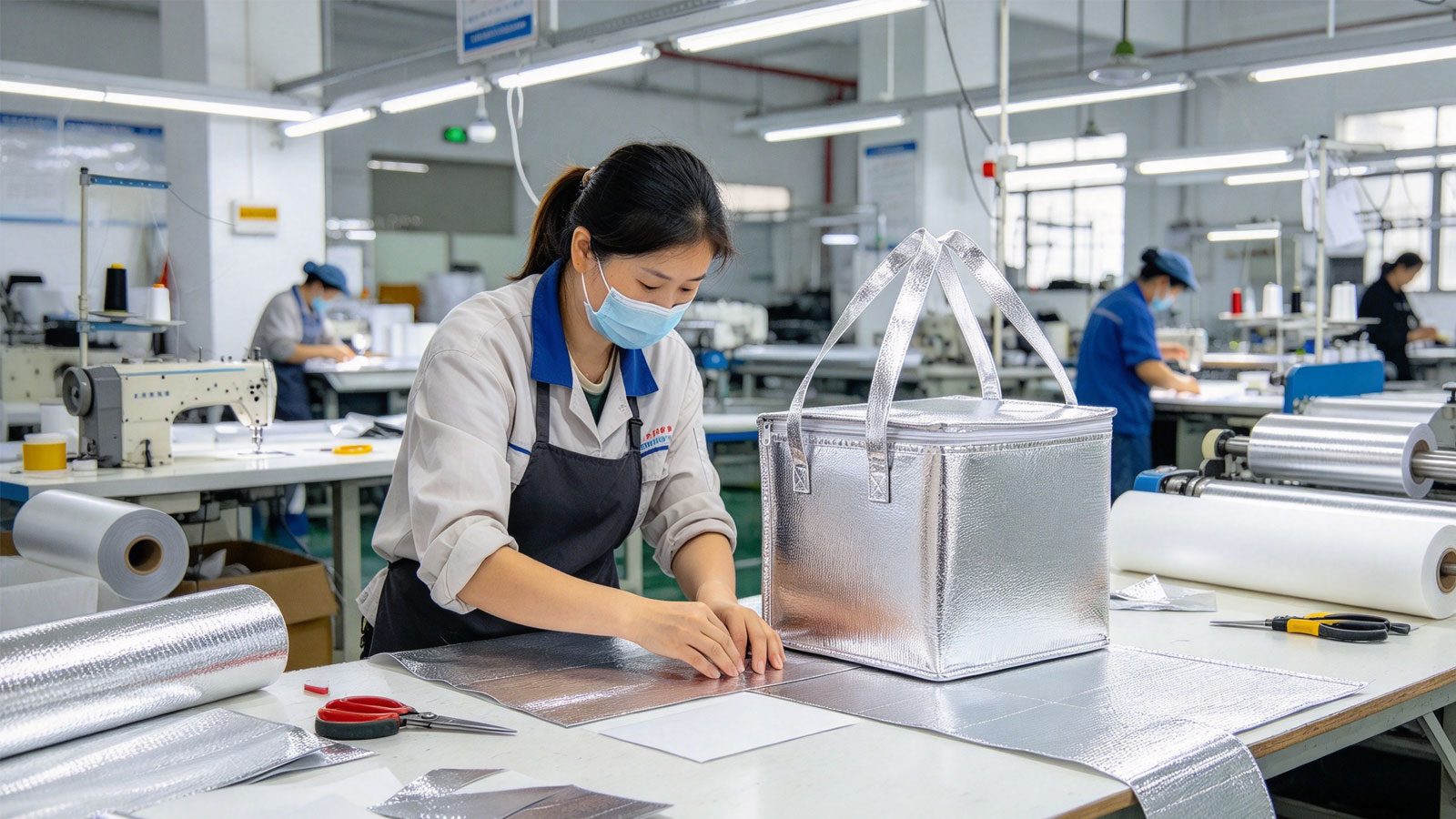
The cutting and preparation stage is pivotal in determining the precision and quality of cooler bags produced by SYMPATHYBAG. Materials such as 300D-1680D polyester or GRS-certified RPET are cut to exact specifications using high-tech precision cutting machines. These machines ensure each piece matches the design blueprint, down to the millimeter — vital for maintaining product consistency.

Pattern-making plays an essential role in this stage. It involves creating templates that act as guides throughout the cutting process. Errors in pattern-making can lead to misaligned cuts, which can compromise the integrity of the assembly. Each pattern is meticulously checked against the customer’s technical pack, ensuring all custom branding elements, such as colours and logos, align with the client’s vision.
Machines at this stage require ongoing monitoring to maintain accuracy. Operators conduct regular checks and calibrate equipment to handle different fabric thicknesses and densities. The use of a computer-aided design (CAD) system allows for precision and repeatability, mitigating human error and significantly increasing throughput.
Edge precision is crucial for the quality of the final assembly. Clean, accurate edges facilitate smoother assembly and reduce the risk of fraying, which can lead to weakened seams and a lower quality product. Ensuring precise edges involves regularly replacing cutting blades and monitoring for signs of dulling — a common pitfall that can result in uneven cuts.
Common pitfalls in this process include neglecting the precise calibration of machines, leading to drifts in cut dimensions, which can cascade into assembly problems. Understanding these pitfalls allows for immediate corrective actions, minimizing waste and ensuring efficiency.
To learn more about the overall bag production workflow, visit our Understanding the OEM Bag Manufacturing Process in Shiling: A Step-by-Step Guide.
3. Assembly and Stitching
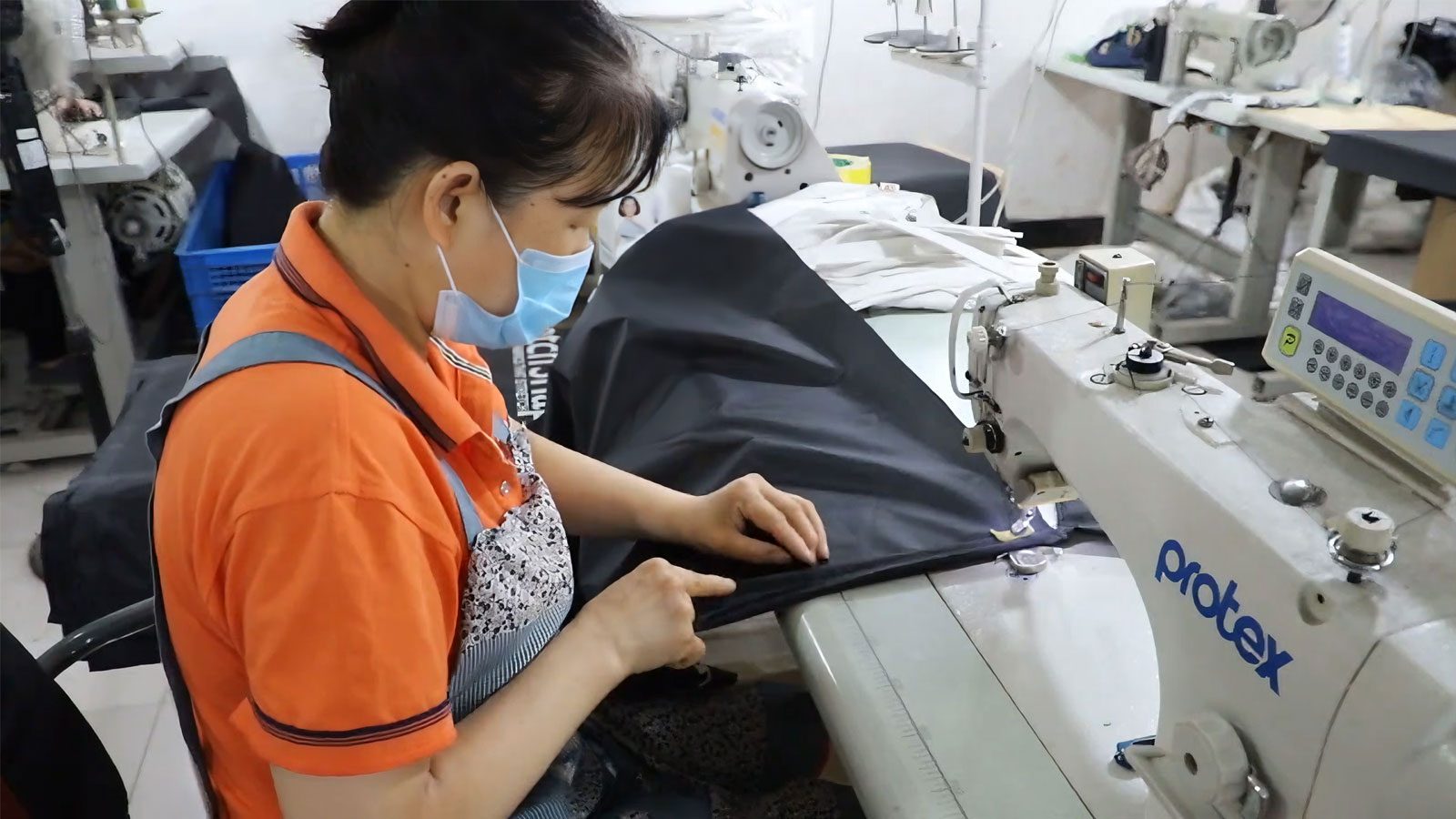
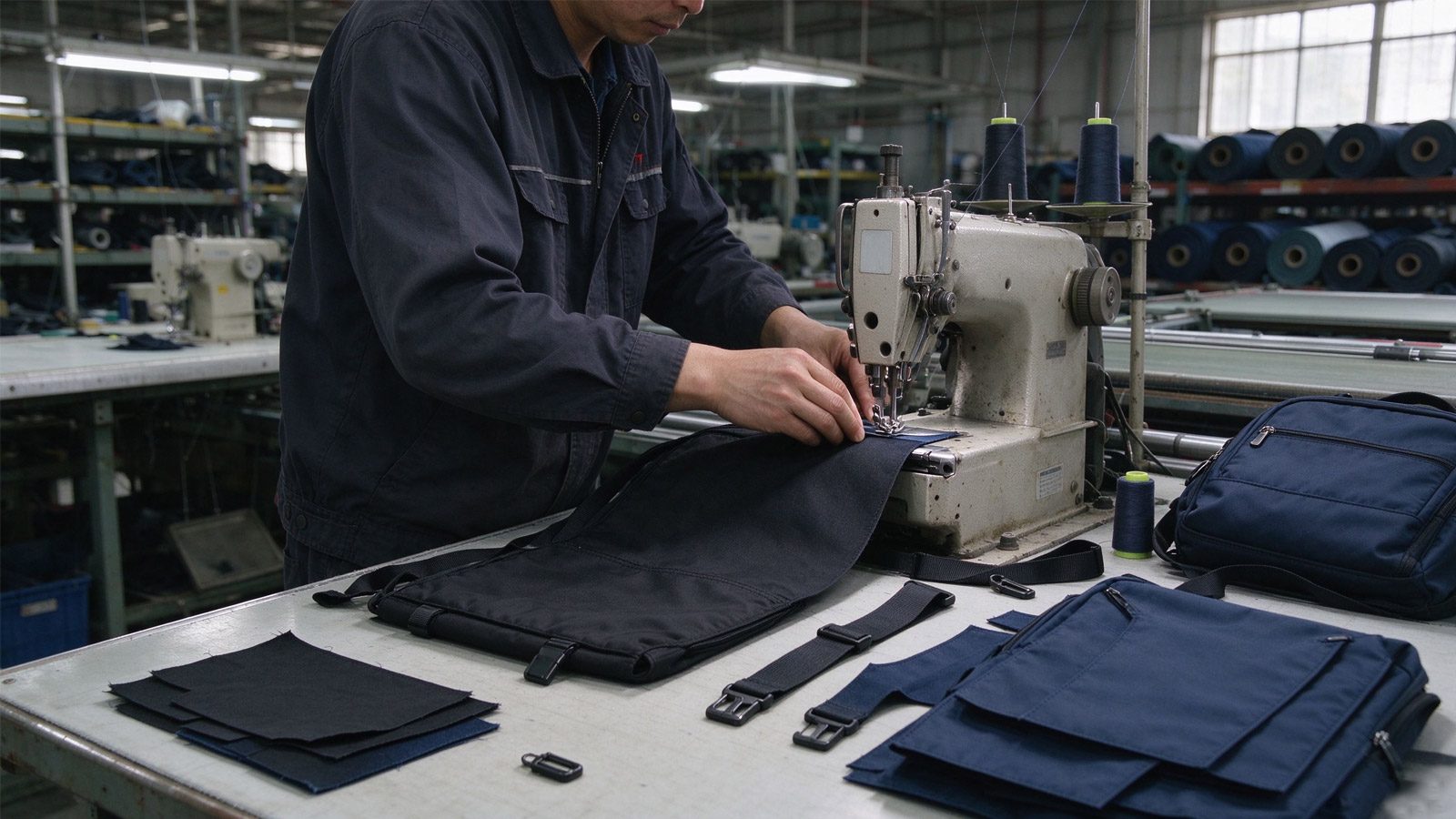
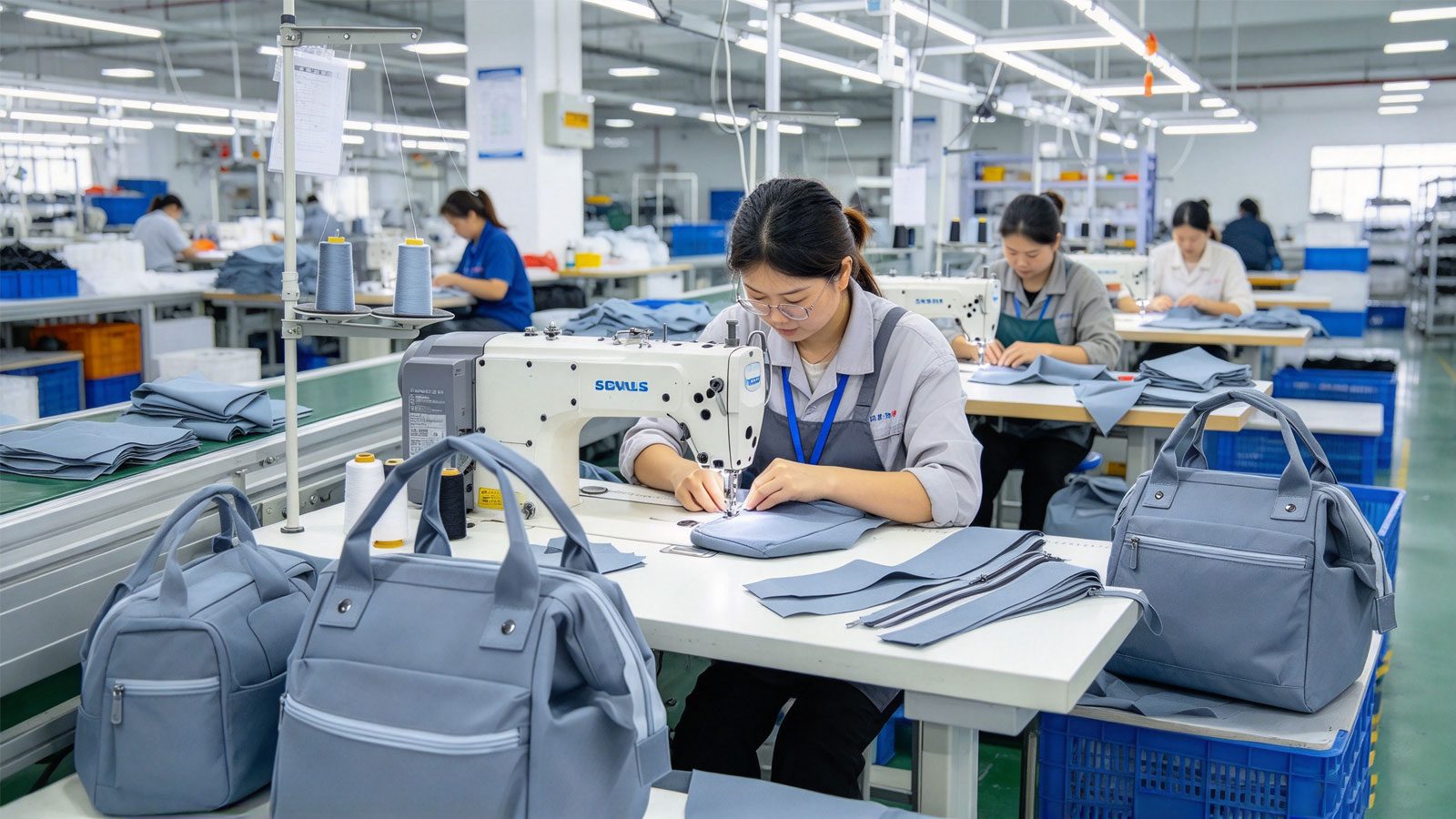
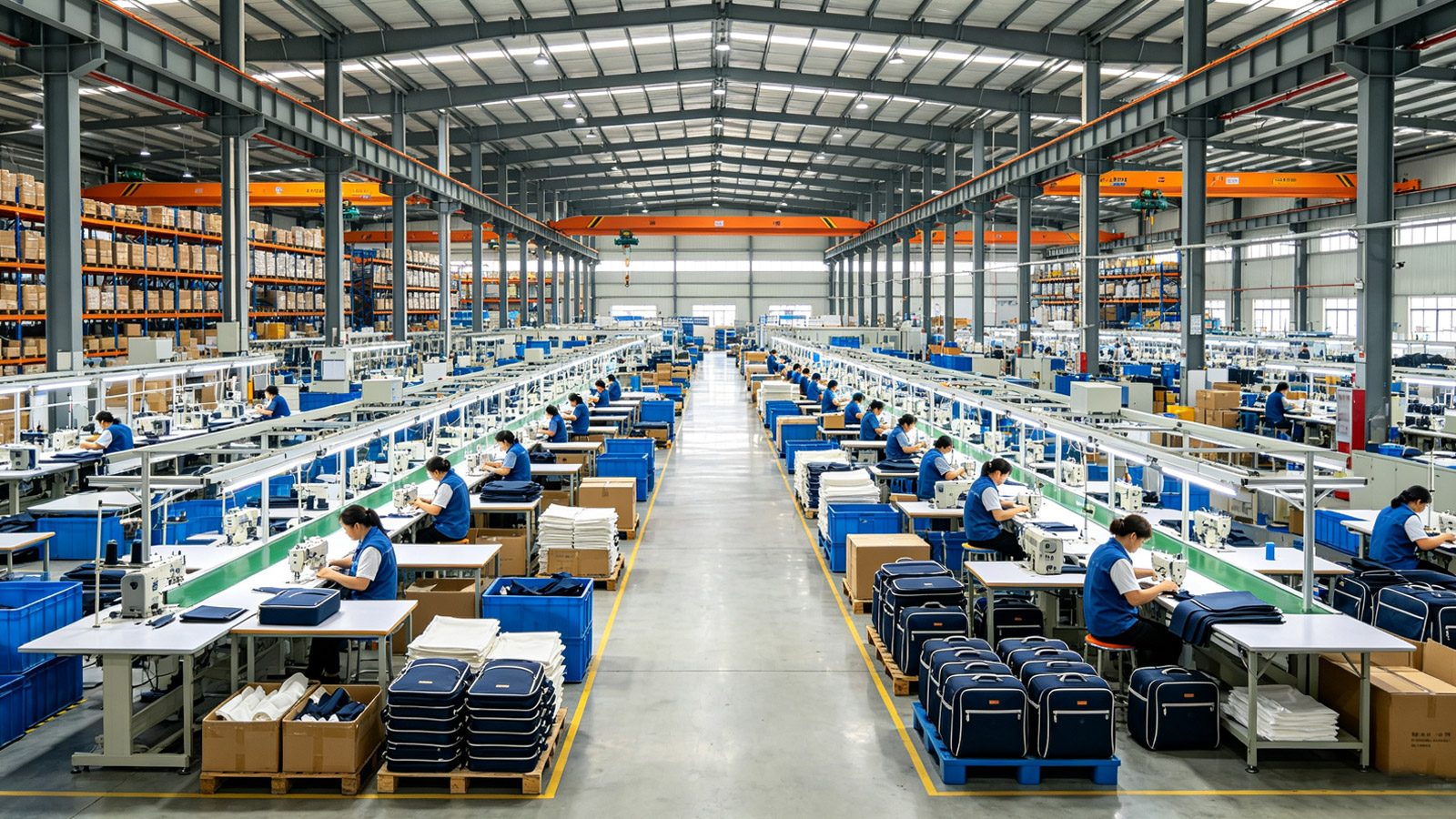
In the ODM process for cooler bags, precision in assembly and stitching is paramount to producing a functional and visually appealing product. The first step involves selecting the right stitching techniques. SYMPATHYBAG utilizes single-needle, double-needle, and overlock machines to accommodate various materials like polyester and canvas. For heavier fabrics, such as 1680D polyester, a double-needle stitch provides stronger seams and better durability, whereas lightweight materials may benefit from single-needle work for added flexibility and less bulk.
Alignment during assembly is critical. Misalignments can lead to defects like twisted straps or uneven bag shapes, compromising the cooler bag's functionality and aesthetics. Each component, whether it's the body, lining, or pockets, must be meticulously aligned and secured. In-house machines play a crucial role here, enabling precise alignment and thereby ensuring that the final product meets the designated specifications. The strategic use of SYMPATHYBAG's specialized equipment helps maintain the integrity of the design and optimizes the assembly efficiency.
However, even with machine precision, vigilance for defects is necessary. Common issues include skipped stitches, loose threads, and seam puckering, which can arise from improper tension settings or needle size. SYMPATHYBAG mitigates these by adhering to strict quality standards like ISO 9001, ensuring each stitch's quality. Regular machine maintenance and operator training further reduce the risk of defects, aligning with the high standards set by CPSIA and REACH.
For a deeper dive into crafting cooler bags, including durable techniques for maintaining optimal temperature control, see our full guide on the Process Teardown: Crafting Durable Cooler Bags for Efficient Cold Storage. This link provides insights into stitching practices that extend the lifespan and utility of cooler bags.
4. Quality Control Checks
In ensuring the integrity of cooler bags, a rigorous four-stage in-line quality control (QC) process is indispensable. It begins with Incoming Quality Control (IQC), where raw materials, such as 300D-1680D polyester and RPET, are verified against specifications upon arrival. This first stage helps avoid factory delays by catching defects early. Next is In-Process Quality Control (IPQC), which maintains oversight during production to identify incompatible components and alignment issues during assembly.
Final Quality Control (FQC) occurs post-assembly, evaluating each cooler bag for visual and structural adherence to design specs. Defects like poor stitching or improper insulation are documented and rectified at this stage. The last check, Outgoing Quality Control (OQC), ensures that only bags meeting all credentials, including CPSIA and REACH standards for consumer safety and material compliance, are ready for shipment.
Achieving consistent quality is paramount for maintaining brand reputation. Quality control measures identify discrepancies that could harm customer satisfaction, thus preventing long-term brand damage. Tools like digital calipers, thermal cameras, and tensile testers are employed for defect detection, addressing concerns ranging from dimensional accuracy to thermal insulation capacity.
The threshold for passing quality tests is stringent. Cooler bags must meet criteria such as durability and safety compliance at every stage. Specific tests are tailored to each inspection type, configured for different stages' objectives.
Quality Control Checklist for Cooler Bags
| Inspection Type | Frequency | Tools Used | Common Defects | Pass Criteria |
|---|---|---|---|---|
| Incoming Quality Control | On material receipt | Calipers, visual inspection | Material tears, color mismatch | Material matches specification |
| In-Process QC | During production | Thermal cameras, scales | Alignment errors, stitching | Matches design layouts |
| Final Quality Control | Post-assembly | Digital calipers, tensile testers | Poor insulation, loose threads | Structural integrity confirmed |
| Outgoing QC | Pre-shipping | Visual inspection, scales | Package damage, label errors | Compliance with CPSIA, REACH |
A robust QC framework not only validates product quality but fosters trust between SYMPATHYBAG and its clients, cementing its reputation in the competitive cooler bag market.
5. Common Pitfalls in Cooler Bag Production
Fabric fraying and poor thermal insulation are two leading issues in cooler bag production that can deteriorate product quality significantly. These defects often stem from subpar material choice or improper handling during the manufacturing process. At SYMPATHYBAG, premium materials such as ripstop nylon or 1680D polyester are prioritized to resist wear and effectively retain cold, ensuring the bags meet the thermal performance expected.
Design misalignments during construction can lead to customer dissatisfaction, especially when seams do not align or shapes deviate from the original specifications. These issues often arise due to inconsistency in precise patterns or inadequate attention during the stitching phase. SYMPATHYBAG mitigates this by employing advanced pattern-making and automatic stitching machines that guarantee alignment accuracy across multiple units.
Handles and zippers, being frequently used, are prone to customer complaints if not adequately secured or selected. We often see this result from poor quality control during assembly or from selecting low-grade components. SYMPATHYBAG opts for YKK or SBS zippers and reinforces handle attachments, marrying durability with design integrity.
Improper trimming is another pitfall that can impact the final appearance, leaving raw or jagged edges that detract from the product's aesthetic and function. By focusing on meticulous trimming and edge-finishing processes, SYMPATHYBAG ensures that each cooler bag is both visually appealing and professionally constructed.
Addressing these pitfalls proactively, SYMPATHYBAG leverages a robust in-line QC system to catch potential issues early. For deeper insights into our capabilities in circumventing common OEM myths, see our Myths vs Facts: Understanding Insulated Bag OEM Capabilities. By consistently refining processes and investing in quality materials and highly-trained operators, SYMPATHYBAG not only enhances product reliability but also bolsters customer confidence.
6. Final Inspection and Packaging
The final inspection for cooler bags at SYMPATHYBAG is a rigorous process designed to ensure each product meets high standards before it is dispatched to clients. This stage includes a thorough examination of stitching integrity, thermal insulation performance, and overall product appearance. Inspectors verify that the cooler bags adhere to the specification document, including checking the alignment and application of logos and color consistency as specified by the client's brand requirements. Each bag is subjected to visual and functional tests to confirm that zippers, handles, and main body parts operate smoothly without defects.
Standard Packaging Methods
Packaging plays a critical role in ensuring the safe transportation of cooler bags. SYMPATHYBAG typically utilizes poly bags and cardboard boxes that protect against moisture and abrasion during transit. The boxes are stack-tested to withstand standard shipping pressures and ensure that the structural integrity of the cooler bags remains uncompromised en route to their destinations. The inter-layering of bags within boxes also minimizes friction damage, securing the bags effectively against movement during handling.
Preventing Damage with Effective Packaging
SYMPATHYBAG is meticulous about packing specifications to prevent potential product damage. They employ bubble wrap or additional padding for sensitive areas like zippers or seams, which are prone to impact stress. Each packaging process is tailored to the specific needs of the product and the shipping conditions, ensuring that the packaging method aligns with the environmental and logistical demands of each shipment journey.
Labeling for Compliance
Correct labeling is crucial for compliance with shipping regulations. Each package is labeled with essential information such as product contents, batch numbers, and handling guidelines. This ensures smooth customs processing and meets international shipping standards, reducing the risk of delays.
End-User Packaging Specifications
The packaging specifications matter significantly to end-users because they influence the perceived quality and functionality of the cooler bags. Well-considered packaging protects the product until it reaches the consumer and reflects the brand’s attention to detail and commitment to quality—a critical differentiator in competitive markets.
Ensuring ODM Success: What to Monitor in Your Project
Effective communication with SYMPATHYBAG is crucial for successfully navigating the ODM process. Regularly reviewing specification documents keeps the project on track and aligned with client expectations. Consider engaging third-party inspectors to verify quality if needed. Additionally, understanding SYMPATHYBAG's full capabilities helps in anticipating potential challenges. Develop comprehensive contingency plans to address any issues efficiently. Finally, always question your own project's necessities—what could refine the process further?