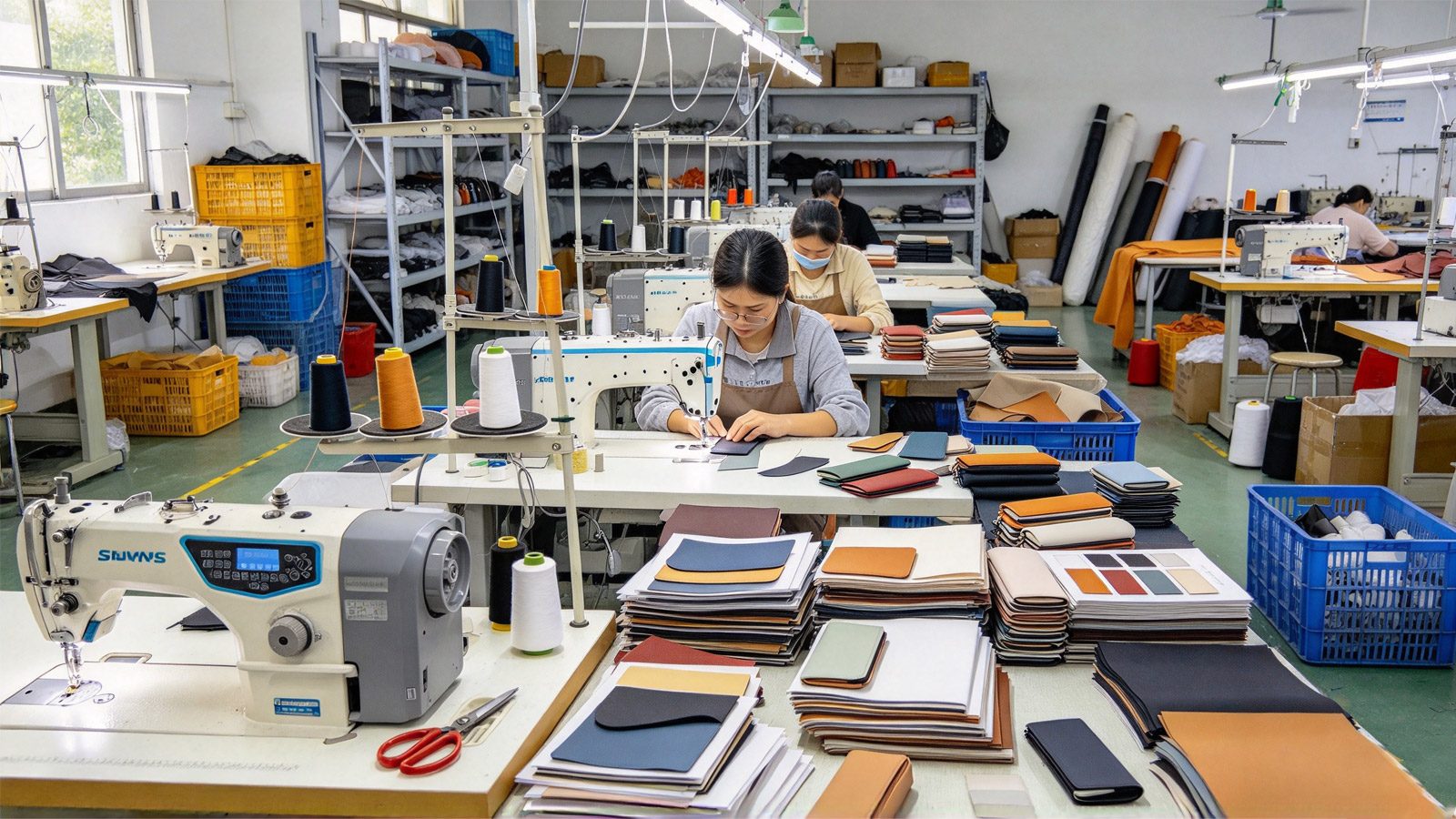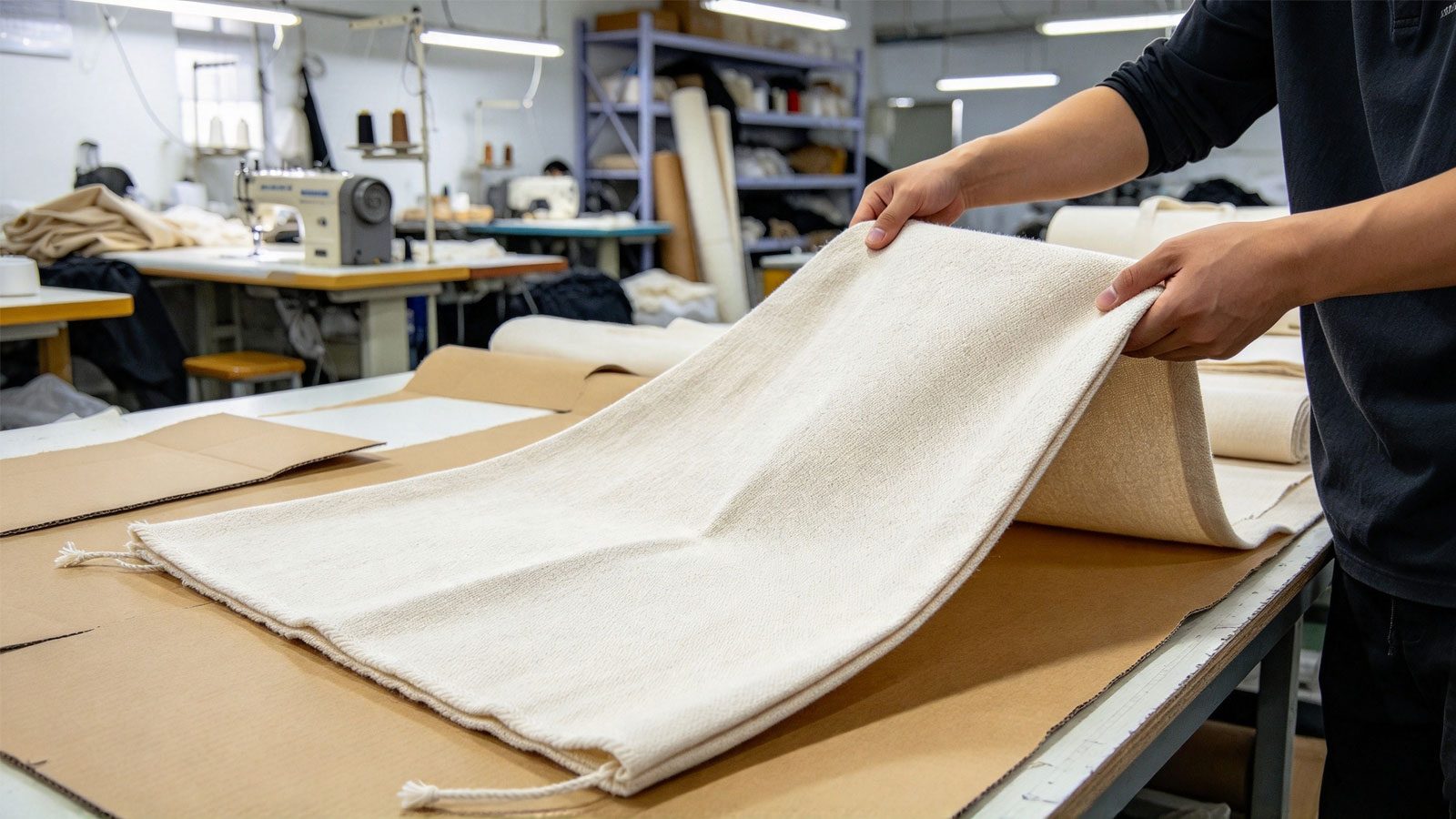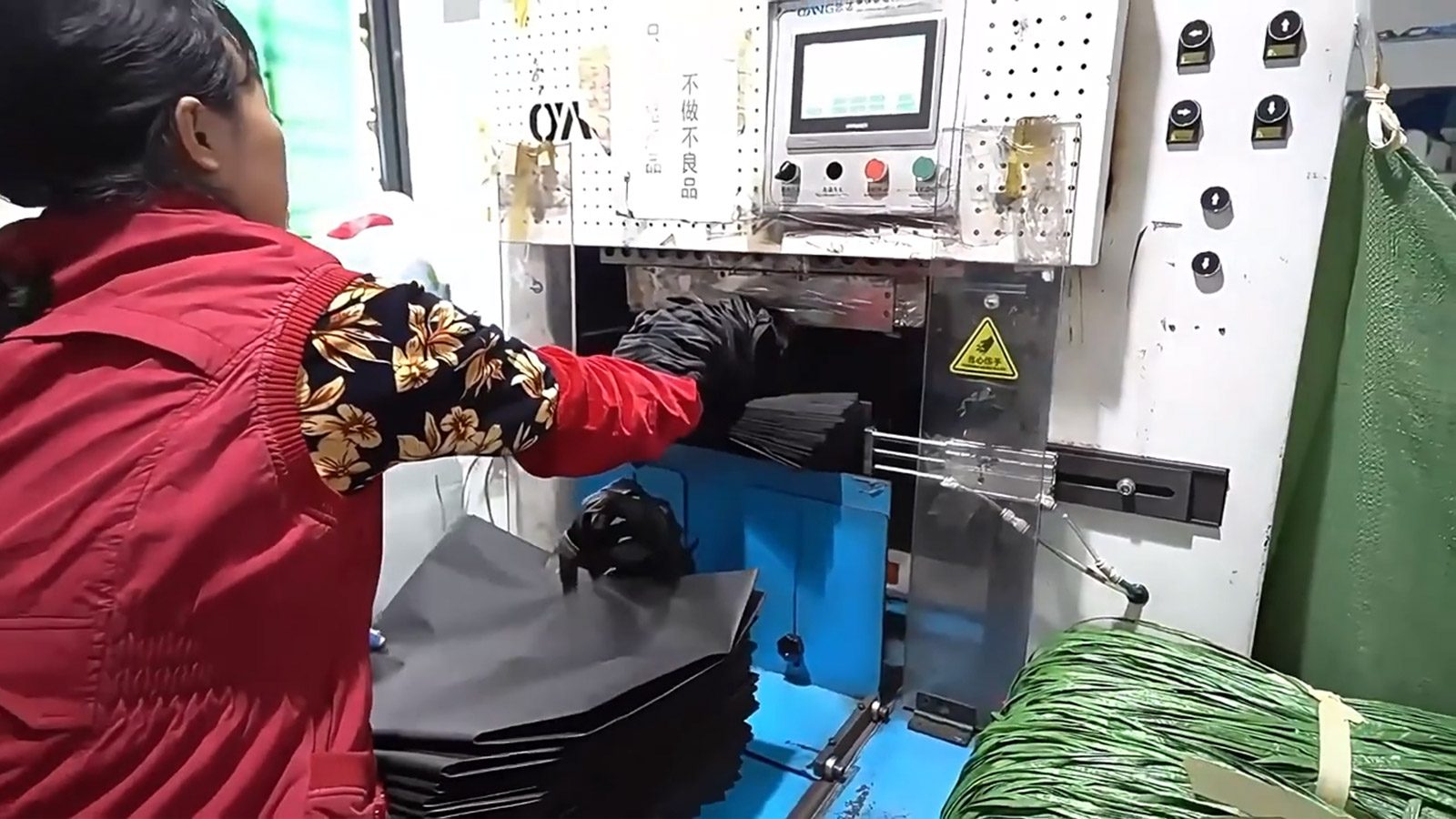
Many buyers believe that the OEM manufacturing process for outdoor sports bags is straightforward and driven primarily by choosing the right design and material. However, the actual process involves a complex interaction of design considerations, material choices, quality controls, and scalability issues that go beyond basic design selection. While fabric selection is crucial, understanding and navigating this process requires awareness of broader factors such as compliance with standards like CE and RoHS, and the ability to verify suppliers' certifications. Misunderstandings about costs, timelines, and custom options often lead to missed opportunities or misaligned expectations. These factors highlight the importance of partnering with a knowledgeable manufacturer, like Guangzhou Ceyin Bags Co., Ltd., who understands the nuances and can guide the production process effectively.
Misconceptions About the Simplicity of Design Selection
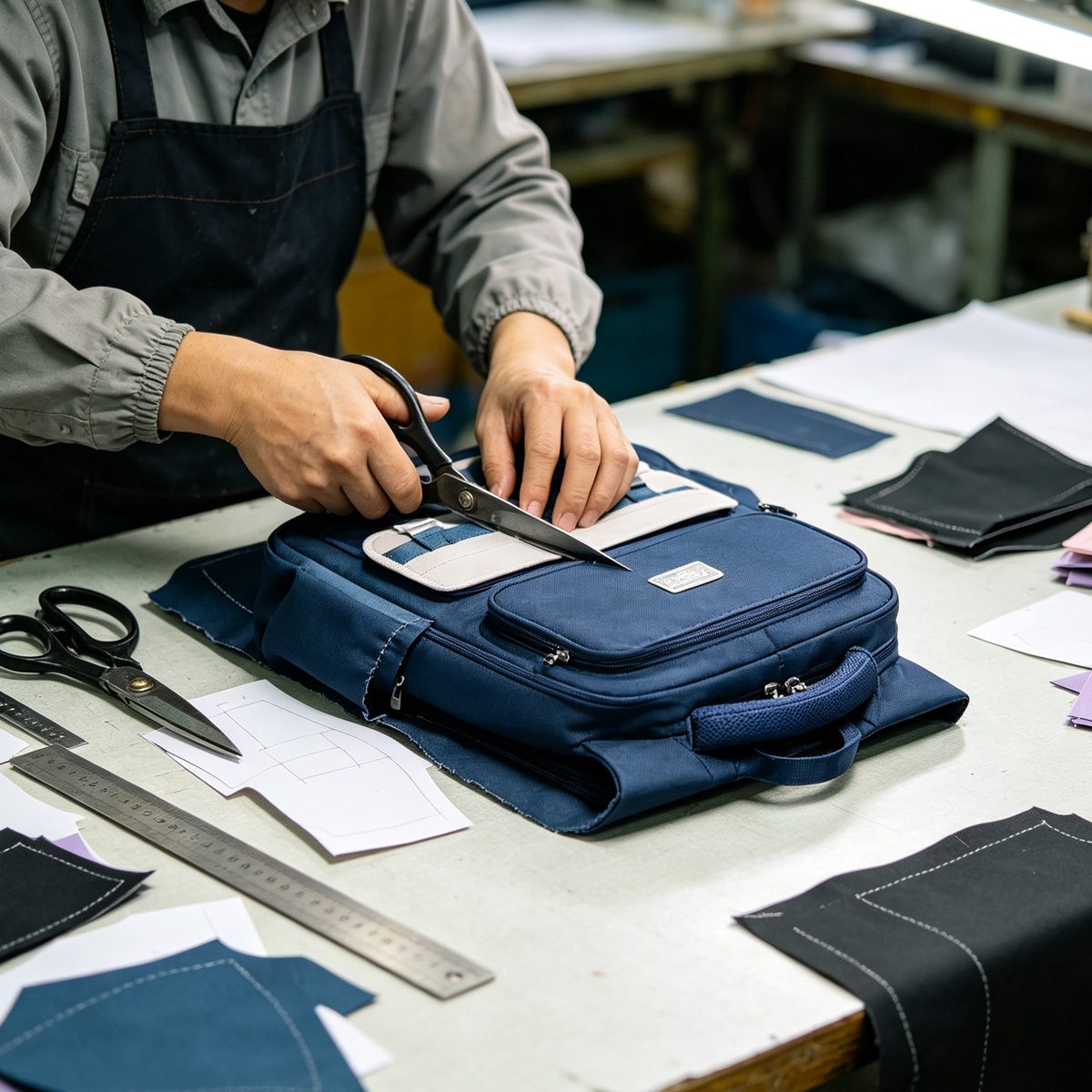
Many buyers believe that selecting the right design is the sole deciding factor in the production of OEM outdoor sports bags. While the design choice does play a crucial role, it's far from the only aspect that impacts the overall complexity of the manufacturing process. In reality, design decisions need to go hand-in-hand with considerations around material compatibility and stress point distribution. This integration is what separates a well-crafted bag from one that may fail under the pressures of real-world use.
When considering design, one must account for factors such as the tensile strength of materials, compatibility with other components like zippers and linings, and how these elements meld with the intended aesthetic. This means that not every intriguing design concept will effectively translate into a functional bag. For instance, a sleek, minimalist design may look appealing on paper but could lead to stress concentrations that compromise durability if not properly engineered. Striking a balance between aesthetics and usability is critical.
Another aspect often overlooked is the need for prototyping and testing during the design phase. Custom designs frequently require iterative prototyping to ensure that each element functions as intended and that the overall product meets expected standards. These prototypes undergo rigorous testing to simulate real-world conditions, identifying potential weaknesses in the design. This phase is essential because it helps refine the design to withstand the strain of outdoor environments, thus avoiding costly production errors down the line.
Furthermore, integrating usability with aesthetics ensures that the bag not only looks good but performs efficiently. User feedback can be invaluable in this regard, providing insights that might lead to modifications before full-scale production begins. Companies like SYMPATHYBAG emphasize this aspect by facilitating user-centric design iterations, allowing flexibility in design adjustments throughout the OEM process.
Moreover, design complexity impacts the timeline and costs associated with production. A smoother transition from design to production requires detailed planning, where each design element is assessed for its compatibility with the chosen materials. For instance, you should Understand the Importance of Fabric Selection in harmonizing design efficacy with the functional demands of sports bags.
By considering these multifaceted aspects of design beyond the superficial choice of graphics or colors, buyers can ensure that their custom sports bag production meets both performance and aesthetic goals. This complexity should not be underestimated, as it forms the foundation of a truly successful product.
Common Myths Related to Material Requirements
Many potential buyers of OEM outdoor sports bags believe that any material can be smoothly integrated into production. The truth is, the compatibility of materials with the chosen manufacturing processes profoundly impacts the final product's quality and performance. For instance, certain fabrics may not hold up well under high-stress points typical in outdoor applications, leading to durability issues.
Reality of Material Compatibility
Every material has its own set of characteristics, including tensile strength, elasticity, and resistance to environmental factors. Not all fabrics are equal, especially for high-performance outdoor sports bags. Manufacturers must consider if a material like polyester or Cordura-type nylon fits the specific demands of a bag's design and use case. Incompatible materials can lead to production halts, increased wastage, and even compromised product functionality.
Understanding Compliance Standards
Materials must also meet specific compliance standards to be viable for production in international markets. Standards like CE and RoHS ensure that materials do not contain harmful substances and are safe for consumers. Ensuring that the materials comply not only improves the safety and marketability of the final product but also helps avoid legal issues during export. For example, using GRS-certified recycled materials—recognized for environmental sustainability—can enhance market appeal and adherence to eco-friendly regulations, particularly for companies targeting a sustainable market segment.
Impact on Durability and Cost
The choice of material directly affects both the durability and cost of outdoor sports bags. Higher-quality materials like Cordura-type nylon generally provide superior resistance to abrasion and environmental factors, ensuring that bags withstand rigorous conditions. However, these materials come at a higher cost compared to standard polyesters. It's crucial for manufacturers to balance the cost and performance characteristics of materials to meet both budget constraints and functional requirements of buyers.
Material requirements in OEM sports bag production are multi-faceted. Buyers often overlook the technical and compliance aspects, which can lead to issues post-production. Understanding these requirements allows for better planning and choice, aligning with both performance objectives and compliance needs.
Cost Misunderstandings in OEM Sports Bag Production
Many buyers hold the belief that a lower upfront cost equals better value, but this does not account for the full spectrum of costs in OEM sports bag production. Focusing solely on the initial price can obscure hidden costs that arise from material and production choices. These hidden costs often surpass the savings made on the sticker price, emphasizing the need for a comprehensive understanding of all cost factors.
Impact of Material and Production Choices
Cutting costs by selecting cheaper materials or production processes can negatively impact the final product's quality. For instance, opting for a lower-grade polyester might reduce the initial material cost, but it could lead to higher defect rates and increased wastage during production. Additionally, the reduced durability of cheaper materials often results in a shorter product lifespan. This can incur higher replacement costs and diminished brand reputation in the long run.
Effects of Bulk Purchasing on Costs and Timelines
Bulk purchasing is frequently viewed as a straightforward way to achieve cost savings, but it must be approached with caution. While ordering materials in large quantities can decrease individual unit prices, it may also invite logistical challenges that affect timelines and storage costs. Factories might require more extended lead times to handle and store large volumes, potentially prolonging project timelines.
The Mistake of Ignoring Durability for Short-term Savings
Durability is a long-term economic factor often overlooked when focusing on short-term savings. Selecting cost-saving measures such as subpar stitching or compromised production methods can degrade product integrity. Buyers may find that the intended cost efficiency leads to increased returns, repairs, or warranty claims.
Cost Factors in Sports Bag Production
| Material Cost | Production Set-Up | Compliance & Testing | Bulk Discounts | Longevity Trade-offs |
|---|---|---|---|---|
| Polyester (low-grade) might be cheaper | Initial set-up might include tooling | Testing per CPSIA and Prop 65 could be necessary | Discounts make logistics complex | Reduced stitching leads to quicker wear |
| Higher defect rates in low-cost materials | Complex designs increase set-up efforts | GRS certification needs consideration | Requires storage space and time | Skimping on linings reduces lifespan |
| Wastage from sub-quality materials | Limited prototypes might delay production | CE/RoHS adherence impacts costs | Savings might offset by prolonged timelines | Inferior fasteners increase breakage risk |
Supply chains must navigate these hidden costs, reflecting that an attractive initial price can be misleading. A strategic focus should balance cost, quality, and timeline considerations to achieve true value in OEM sports bag production.
Timeline Myths in Custom Bag Manufacturing
In the world of OEM custom bag manufacturing, a common misconception is that timelines are fixed and predictable. However, the truth is timelines can vary significantly based on specific custom requirements. Believing in fixed production schedules often overlooks the flexibility needed to accommodate the unique aspects of each order.
OEM Production Timeline Factors

| Design Phase | Prototype Development | Material Selection | Compliance Testing | Mass Production |
|---|---|---|---|---|
| Initial design discussions and sketches | Crafting initial models for testing and refinement | Selecting fabrics, colors, and hardware | Ensuring adherence to standards like CPSIA and RoHS | Final product assembly and packaging |
| Customer feedback and revisions | Making adjustments based on initial prototypes | Confirming material availability | Conducting necessary tests for safety and quality | Final quality checks before shipment |
| Finalizing tech-pack | Creating samples for client approval | Ordering and receiving custom materials | Verifying compliance certificates | Crafting and finishing end products |
| Collaborating with design team | Identifying required design alterations | Evaluating material durability | Testing for specific market compliance | Ensuring production meets order volume |
Adaptability in Production Phases
Determining a timeline isn't as straightforward as it might seem. Every production stage, from design to mass production, introduces variables that impact the overall timeline. For example, the prototype development phase can significantly delay completion if initial designs do not meet expectations, necessitating iterations.
Prototype Creation and Its Influences
Creating a prototype isn't just about putting together a sample; it serves as the foundation for the entire manufacturing process. Variations in color, material adjustments, or unexpected customer feedback after receiving initial samples can lengthen timelines. Therefore, OEM manufacturers, like SYMPATHYBAG, emphasize flexibility, offering revisions and adjustments at various stages to ensure the final product aligns with client expectations.
Communications and Timeline Verification
Communication is crucial in managing expectations concerning timelines. Establishing clear channels with the supplier allows customers to ask the right questions about potential delays and adaptions. Verifying timeline estimates involves understanding each stage's inherent flexibility and confirming timelines during the quotation process. Factors like additional compliance testing or material alterations are often part of this discussion, which allows Guangzhou Ceyin Bags Co., Ltd. to provide accurate timelines, typically confirmed during quotation and once order specifics are finalized.
Understanding these dynamics enables buyers to work more effectively with suppliers, optimizing time management and ensuring seamless project delivery.
Assumptions About Quality Standards
A common misconception in the OEM bag manufacturing sector is that all producers strictly adhere to uniform quality standards. This belief can lead to complacency among buyers, who might assume their products will meet high standards without proper verification. However, the reality is more complex: manufacturers, including those producing outdoor sports bags, operate under varying degrees of quality assurance processes, which directly affect the end product's consistency and reliability.
One critical certification to verify is ISO 9001, which governs quality management systems and helps ensure that a supplier consistently meets customer and regulatory requirements. A certification to ISO 9001 is not a given for every manufacturer, despite its importance in maintaining production quality. Buyers should actively verify whether a potential supplier, such as Guangzhou Ceyin Bags Co., Ltd., is compliant with ISO 9001. This step distinguishes reliable manufacturers who have established structured, well-documented processes to evaluate and improve their production practices.
Beyond general quality management, various compliance standards specifically influence the quality of outdoor sports bags. For example, the Consumer Product Safety Improvement Act (CPSIA) in the United States mandates stringent testing requirements for lead content and phthalates in children's products, which can include some sports bags. Additionally, California Proposition 65 (Prop 65) lists chemicals that require warnings if present, impacting materials and finishing processes. These regulations drive manufacturers to source materials judiciously and adopt safer production methods, ensuring that products meet both safety and quality standards.
The role of in-line quality control (QC) is often underappreciated. While final product inspection is crucial, in-line QC enables immediate identification and rectification of defects during the manufacturing process, directly minimizing potential errors. This proactive approach to quality assurance is a hallmark of disciplined manufacturers who aim to minimize waste and increase efficiency.
Ultimately, quality assurance processes differ among manufacturers. Some may only conduct spot checks, while others employ thorough, four-stage in-line QC systems, ensuring that each production phase meets set standards. The depth of a supplier's quality protocols can significantly impact the consistency of the final product, reinforcing the need for buyers to not only assume but verify these quality standards.
Scalability Perceptions in OEM Sports Bag Manufacturing
The myth that any factory can swiftly scale production to meet demand persists among buyers. The reality often tells a different story. While many OEM suppliers assert their scalability, actual production capabilities can be constrained by several critical factors. A factory like SYMPATHYBAG, producing approximately 50,000 bags a month, must carefully manage machine availability, workforce capacity, and logistics to genuinely accommodate large-scale orders.
Machine availability plays a pivotal role in determining scalability. A surge in production requires not just additional machines but also the right type of machinery suited for specific tasks, from cutting to sewing. Factories focusing on outdoor sports bags might have specialized equipment for heavy-duty materials like Cordura-type nylon or ripstop, which are standards in this industry for durability and weather resistance. Buyers should inquire about available machinery and the types of fabrics each machine can process effectively. Without these insights, the risk of overestimating a supplier's scalability is high.
Workforce is another crucial factor. Simply put, more orders demand more hands. Skilled operators must manage complex tasks such as pattern-making and quality inspections. Factories can't instantaneously hire and train skilled labor to meet a sudden increase in demand. The skill level of available workers affects not only output speed but also quality consistency. Additionally, operational efficiency supported by ISO 9001-certified processes ensures production meets the required standards without compromising scalability. Knowing the factory's capacity to scale its workforce is vital before committing to large orders.
Assessing a supplier's ability to manage large orders is essential. It requires visiting the facility, reviewing production lines, and understanding their in-line quality control methods. The necessity of logistical planning cannot be overlooked either—large-scale manufacturing amplifies logistical challenges. Factories need robust supply chains to ensure all materials are delivered on time and in proper sequence without bottlenecks.
This is where pre-order assessments become crucial. Buyers should evaluate the supplier's previous track record with large-scale orders, including delivery timelines and quality consistency. Transparency in operational capacities, backed by proven capabilities, differentiates factories that can genuinely meet high demands.
For more insights into selecting OEM suppliers who understand these nuances, Read About Outdoor & Sports Backpacks. Informed decisions help align production capabilities with order expectations, minimizing disruptions and ensuring a seamless manufacturing process.
The Importance of Supplier Verification
Many buyers assume that all suppliers are verified and certified. This belief can lead to costly mistakes. Not every supplier has the credentials to back up their promises, which is why verifying supplier credentials is critical. Guangzhou Ceyin Bags Co., Ltd. takes compliance seriously, but it's imperative for buyers to actively check certifications and standards.
First, it's essential to understand the specific certifications that are pertinent to your industry. Certifications like ISO 9001 deal with quality management systems and assure that a company can consistently provide products that meet customer and regulatory requirements. If your products are destined for markets like the European Union, you should also look for CE marking for health, safety, and environmental protection standards.
To verify a supplier’s capabilities and compliance, begin by requesting documentation such as the supplier’s ISO certificate and any product-specific certifications like the CE marking. It’s a good practice to cross-verify these documents with the issuing body to ensure they are current and valid. Additionally, you might want to check if they comply with standards like REACH and CPSIA, especially if your products are utilized in children's goods or need to meet strict environmental regulations.
Conducting an on-site audit can further cement your understanding of a supplier's capabilities. During this audit, ensure that the production facilities meet your quality expectations and check whether the supplier employs standard compliance practices throughout the production process.
Failing to properly verify supplier credentials can result in products that do not meet safety and quality standards, leading to recalls and damage to your brand reputation. The lack of due diligence can also expose you to legal liabilities if your products fail to comply with regulatory requirements. This unnecessary risk underscores the importance of careful verification in the supplier selection process.
Guangzhou Ceyin Bags Co., Ltd. operates with transparency and integrity, holding ISO 9001 certification and offering product testing to make sure every product meets standards like California Prop 65 and the CPSIA on request. Engaging in proper verification enables a robust working relationship and ensures that your end products meet safety, quality, and compliance requirements in every market you serve. By pursuing thorough verification, you strengthen your supply chain and set a solid foundation for product success.
Buyer Recommendations for Informed Decision Making
Clearing up misconceptions in OEM sports bag production empowers buyers to make smarter decisions. Evaluating potential suppliers involves more than just a checklist — it requires a detailed understanding of the supplier’s capabilities, such as verifying ISO certifications and their history with GRS-certified materials. Partnering with experienced companies like Guangzhou Ceyin Bags Co., Ltd. ensures that your production aligns with your quality standards. By fully grasping the intricacies of the production process, from design complexity to material standards, buyers can avoid costly mistakes and ensure durable product outcomes.