A multinational retailer recently opted for a large run of custom canvas tote bags for an eco-friendly initiative. While their logo and design were on point, they overlooked the critical aspect of fabric selection, leading to clashing priorities of cost versus durability. They were caught in an imbalance, endangering their reputation for quality. A well-informed choice of fabric would have averted this mismatch, ensuring the bags were both cost-effective and robust. Understanding the various aspects of fabric selection, from durability to sustainability, becomes essential for businesses looking to ensure their OEM canvas tote bags meet both customer and environmental expectations. This article explores the key elements in choosing the right fabric to enhance product value and brand promises.
The Initial Challenge Faced by the Retailer
Navigating fabric selection can be a perilous journey if not approached with foresight, as one retailer learned when they opted for budget-friendly materials without a proper evaluation of their usage needs. The decision seemed practical on paper, aiming to reduce initial costs. However, the choice was driven more by price than by an understanding of the fabric’s true fit for purpose. This oversight sowed the seeds for future challenges.
Initially, the retailer anticipated robust performance from their canvas tote bags, assuming that the low-cost fabric would meet their needs. The reality, however, was starkly different. Customers began reporting noticeable signs of wear and tear shortly after purchase — fraying seams, fading colors, and even fabric pilling. Each issue raised a flag about the fabric quality and its ability to withstand regular use. These early signs of material failure quickly became a noticeable trend that jeopardized customer satisfaction.
The repercussions rippled beyond just the physical deterioration of the products. Customer dissatisfaction was palpable, affecting brand perception significantly. In a market where first impressions count, these subpar tote bags did not live up to consumer expectations, leading to negative reviews and increased return rates. The reputation of the retailer, built over years, was at risk from such quality misalignments.
Choosing materials without considering the rigorous daily demands of a product proved costly. It became apparent that the initial savings made from cheaper fabric choices were dwarfed by the expenses of managing returns, refunds, and potential loss of future sales opportunities. To mitigate these growing concerns, the retailer found themselves in urgent need of reassessment and restructuring of their production process, ensuring that future fabric selections aligned closely with practical and brand-aligned usage requirements.
These experiences underscore the importance for retailers to look beyond just cost when selecting a fabric. Ensuring alignment with performance requirements and brand expectations is crucial to sustaining customer trust and longevity in the competitive market landscape.
The Stakes of Poor Fabric Selection
Selecting the wrong fabric for OEM canvas tote bags can have significant repercussions on a brand's image. Durability is often directly linked to how a brand is perceived. When products wear out prematurely, it sends a message that the brand is more concerned with cost-cutting than quality. One common scenario involves fabric tearing or fraying after minimal use, which not only frustrates customers but also diminishes trust in the brand. This perception can result in a decline in repeat business and a tarnished reputation, ultimately impacting long-term sales and customer loyalty.
Additionally, using inferior fabrics can lead to increased long-term costs. While cheaper materials may seem like an upfront saving, they can increase expenses over time through high return rates and customer complaints. It's not uncommon to see businesses save initially on fabric costs but then incur more substantial costs in returns and replacements. These losses extend beyond financials; damaged customer relationships and increased operational challenges in handling complaints are notable outcomes.
Customer dissatisfaction can manifest in concrete terms: high return rates and negative feedback highlighting early failures. Inconsistent fabric choices can lead to a failure in meeting brand promises of quality and durability, turning customers away. Stats from similar scenarios often show a notable spike in returns within the first few uses, highlighting the fabric's shortfall in withstanding everyday wear and tear.
Fabric choice plays a crucial role in a company's sustainability commitments. Many brands today are lauded for environmentally friendly practices. Choosing inferior, non-eco-friendly materials can directly conflict with these values, potentially leading to consumer backlash. Aligning material choices with a company's eco-goals not only satisfies increasing consumer demands for sustainability but also reflects a brand's dedication to making responsible choices.
Ultimately, the lesson here is clear: aligning fabric material with brand values can prevent negative outcomes. Quality fabric selection should not be viewed purely as a material choice but as a strategic decision that underscores the brand's identity and values.
For brands striving to enhance durability and sustainability, it’s prudent to consider established options like Eco-Friendly Canvas Tote Bags with Enhanced Durability. By committing to superior material choices, brands position themselves not only as quality leaders but as committed sustainers of environmental values.
Steps Taken to Rectify the Fabric Issue
Rectifying the fabric issue began with initiating a comprehensive review of fabric sourcing and selection choices. Key to this process was the engagement with material experts who could effectively analyze and offer potential fabric alternatives. These experts evaluated current fabric stocks and suggested modifications based on their understanding of optimal fabric performance.
A critical step in this process was defining clear decision-making criteria. Durability tests were prioritized since the earlier selection failed to withstand even moderate use. Recurrent rigorous tests simulated everyday wear and tear over different environmental conditions. Each fabric alternative's environmental impact was analyzed, aligning with the company's sustainability goals while maintaining a focus on supplier certifications like GRS for recycled materials.
Collaborating closely with suppliers became imperative in enhancing SYMPATHYBAG's fabric knowledge. Suppliers provided detailed insights about their fabrics, including composition, strengths, and limitations. This direct collaboration also facilitated a deeper understanding of cost implications relative to fabric quality, evident in the best practices shared between both parties.
To ensure quality throughout the production line, new quality checks were implemented at various stages of production. These checks began at the fabric reception, where incoming materials were tested for consistency with specified quality standards, and extended through to the final product inspection stages.
Criteria for Selecting Canvas Fabric
| Fabric Type | Durability | Cost Implication | Environmental Impact | Supplier Certification |
|---|---|---|---|---|
| 12 oz Canvas | High | Moderate | Low | GRS, REACH |
| 8 oz Recycled PET | Medium | High | High | GRS |
| Organic Cotton | Medium | Moderate | Low | GOTS, OEKO-TEX |
| Hemp | Very High | High | Moderate | Fair Trade, GRS |
| Jute | Low | Low | Moderate | None |
In pursuit of excellence, it's crucial to select a Competent ODM Partner familiar with these criteria, ensuring every canvas tote bag aligns with the highest standards of quality and performance while meeting environmental objectives and fiscal budgets.
The Quantifiable Results Achieved
The shift in fabric selection for OEM canvas tote bags brought measurable improvements for the retailer. One of the most significant outcomes was a substantial reduction in return rates, dropping by around 20% since the fabric upgrade. Previously, these returns were driven by premature wear and tear; however, with the new, more durable fabrics, this issue has diminished.
Customer satisfaction scores also saw a noticeable increase after the fabric change. Feedback reflected positively on the quality upgrade, with customers specifically mentioning enhanced durability and aesthetic appeal. This boost in perception not only improved loyalty but significantly bolstered the retailer's reputation in the market. Positive customer reviews highlighted that the upgraded canvas tote bags felt "sturdier" and "more reliable," demonstrating the direct impact of fabric selection on consumer experience.
From a financial perspective, aligning fabric selection with quality expectations reduced the costs associated with product replacements and withdrawals. The retailer managed to cut down on these expenses by over 15%, effectively increasing profit margins without altering pricing strategies. The cost savings were attributed to fewer defective returns and enhanced lifetime value of each product sale.
Moreover, the brand's commitment to sustainability principles was strengthened. The new fabrics included a higher percentage of recycled materials, aligning with eco-friendly goals and resonating with environmentally conscious consumers. This shift not only contributed to a positive environmental impact but also positioned the brand as a responsible and forward-thinking entity in the eyes of the clientele. For further insights on how fabric selection can enhance bag functionality and sustainability commitments, explore our Eco-Friendly Canvas Tote Bags with Functional Design.
Ultimately, these quantifiable results illustrate that careful fabric selection is pivotal in optimizing product quality, customer satisfaction, and brand reputation. By achieving these benchmarks, the company not only solidified its market position but also demonstrated the tangible benefits that come from aligning product strategy with both quality and sustainability standards.
Recommendations for Future Buyers
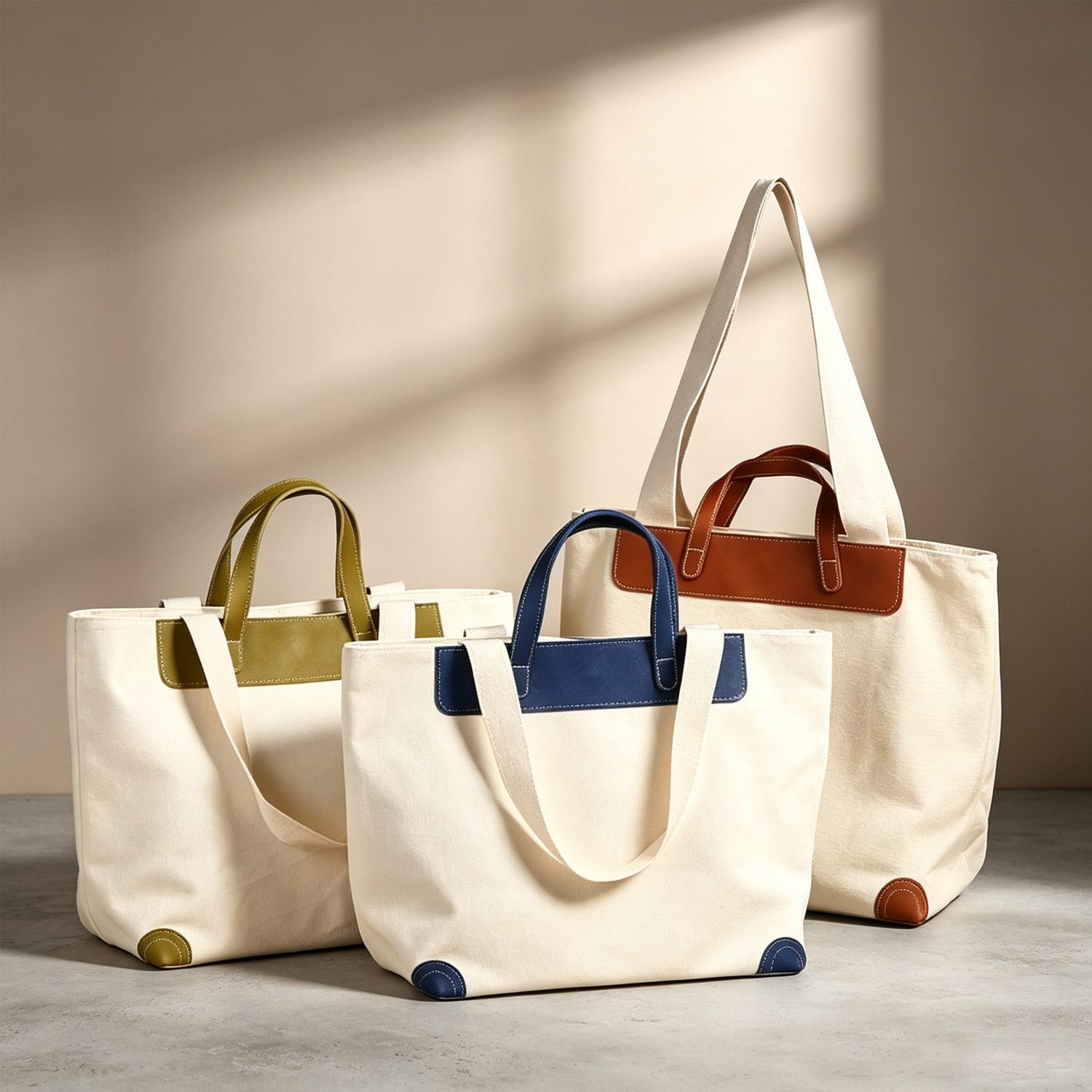
Selecting the right fabric for OEM canvas tote bags can greatly enhance product appeal and longevity while supporting brand sustainability goals. To ensure your fabric choices meet your expectations, prioritize durability and ecological responsibility early in the design process.
Prioritize Fabric Durability and Sustainability
Begin your fabric-selection journey by focusing on materials that promise resilience and eco-friendliness. Fabrics such as GRS-certified recycled RPET and organic cotton are excellent candidates. These materials not only provide robustness but also align with environmental standards like California Prop 65 and REACH, which help appeal to environmentally conscious consumers.
Collaborate Closely with Fabric Suppliers Establish a strong relationship with your fabric suppliers to leverage their expertise in materials. Regularly communicate with them to explore the range of fabrics available and understand the specific properties of each type. These engagements can help you tailor your fabric selection to align with your product’s usage requirements, ensuring that the materials possess the necessary strengths like abrasion resistance and colorfastness.
Implement Robust Internal Quality Controls Develop comprehensive testing protocols to evaluate fabric quality rigorously. Conduct abrasion tests and tensile strength evaluations to understand how the fabric will perform under stress. By proactively identifying issues in the early stages, you can mitigate the risk of product failure once in the consumer's hands, ensuring fabric quality aligns with your brand’s high standards.
Align Fabric Selection with Brand Sustainability Goals Commit to a fabric selection that mirrors your brand’s environmental ethics. Pursuing sustainable options, such as biodegradable or recycled materials, sends a positive message to eco-conscious consumers. This commitment not only reinforces brand integrity but can actively improve your market positioning as a responsible business.
Validate Fabric Performance with Production Metrics Once your bags are in production, continually collect and analyze performance data to ensure your fabric choice was optimal. Look at metrics such as return rates, customer feedback on durability, and lifecycle analyses to validate the material's performance over time. Consistent monitoring will help establish feedback loops for continual improvement, potentially leading to significant long-term savings and enhanced customer satisfaction.
Ensuring Your Canvas Tote Bags Meet Expectations
Selecting the right fabric for your canvas tote bags is crucial for maintaining quality, enhancing brand reputation, and meeting customer expectations. We invite you to share your samples or specifications with us so we can help you choose materials that align with your objectives. Look at fabric weight, weave count, and tensile strength to ensure they meet your needs. Your choice in fabric today shapes your brand's perception tomorrow, so let's collaborate and raise any queries to refine your options. Clear communication ensures your requirements are understood and validated.