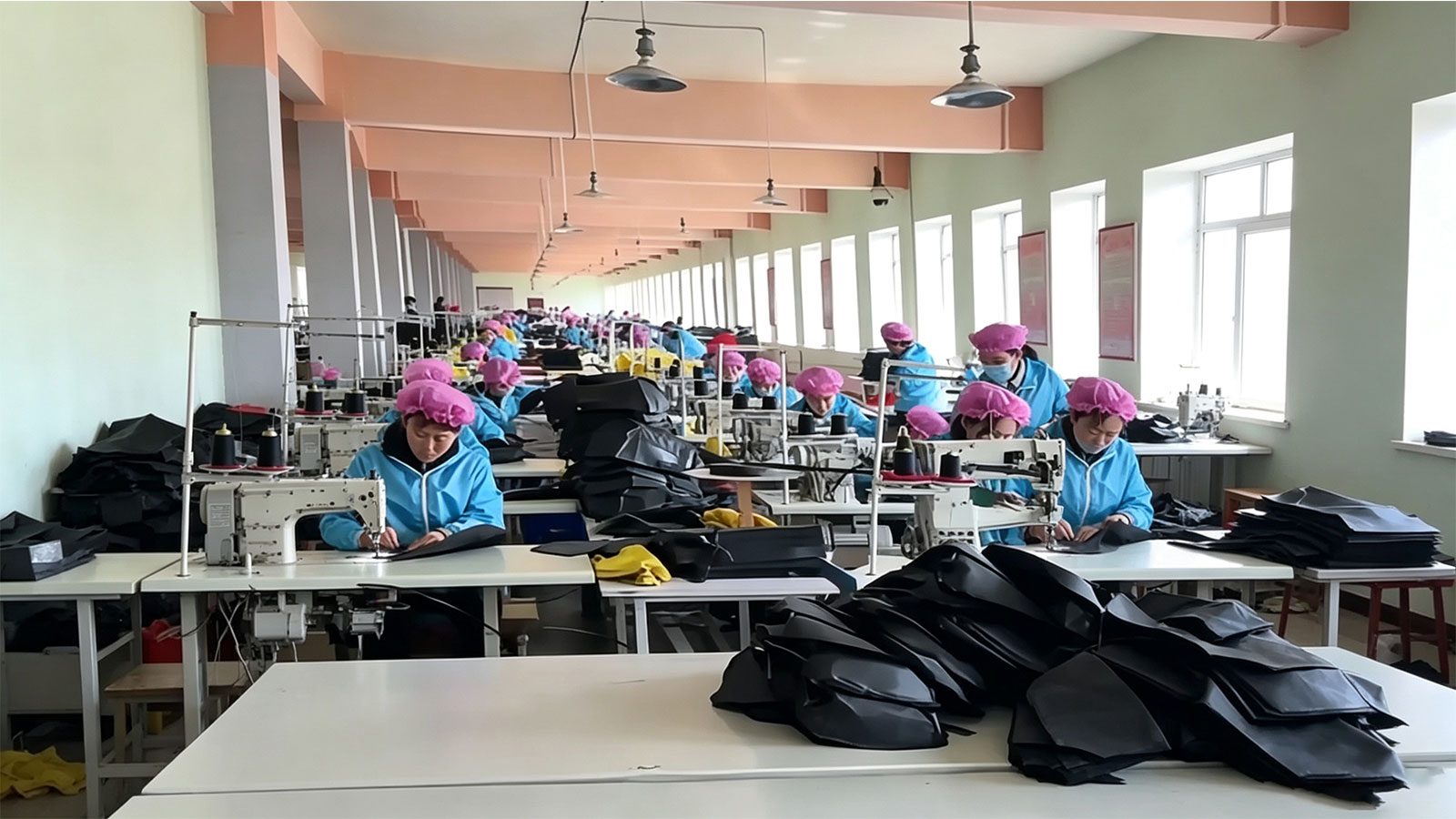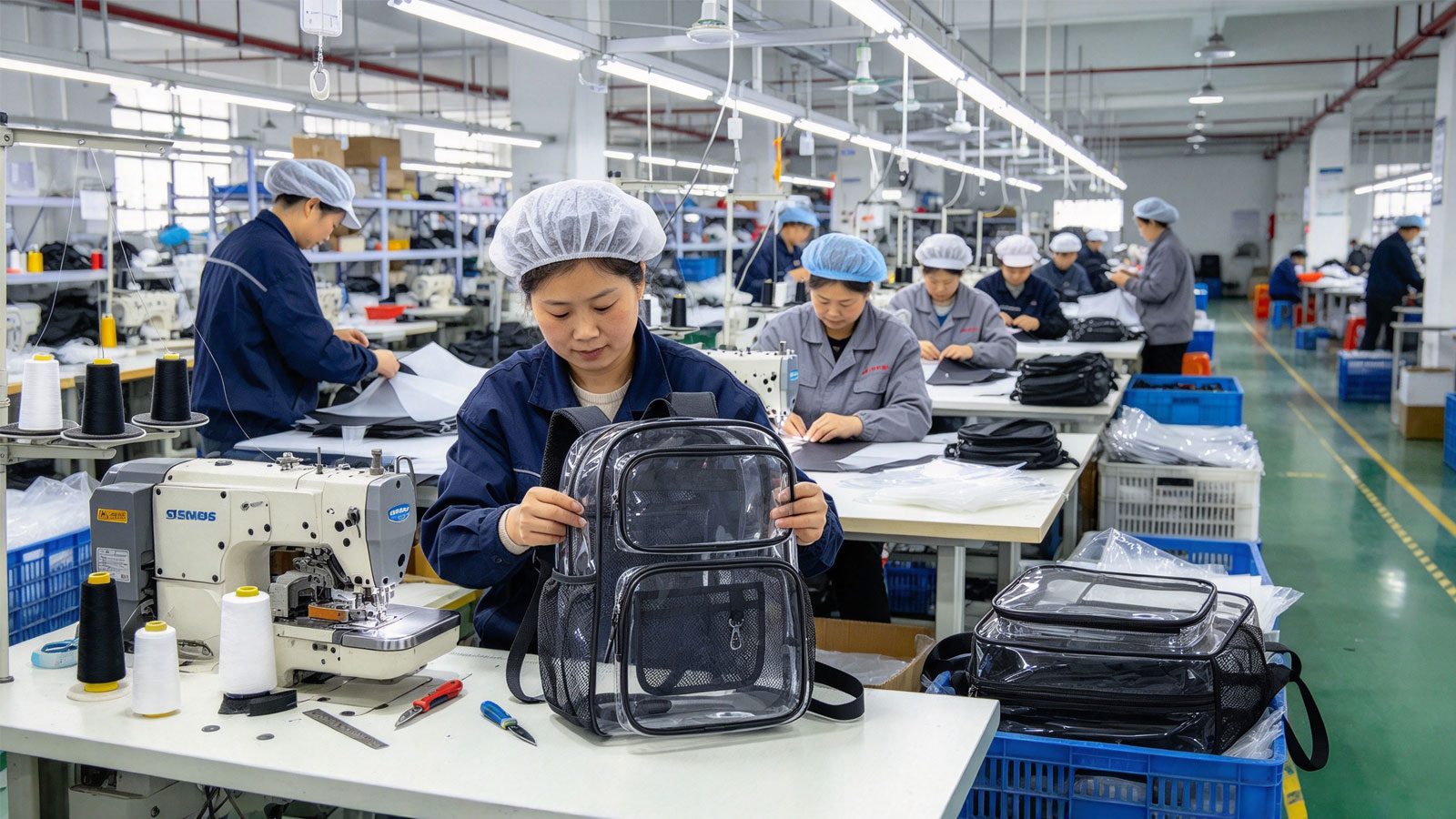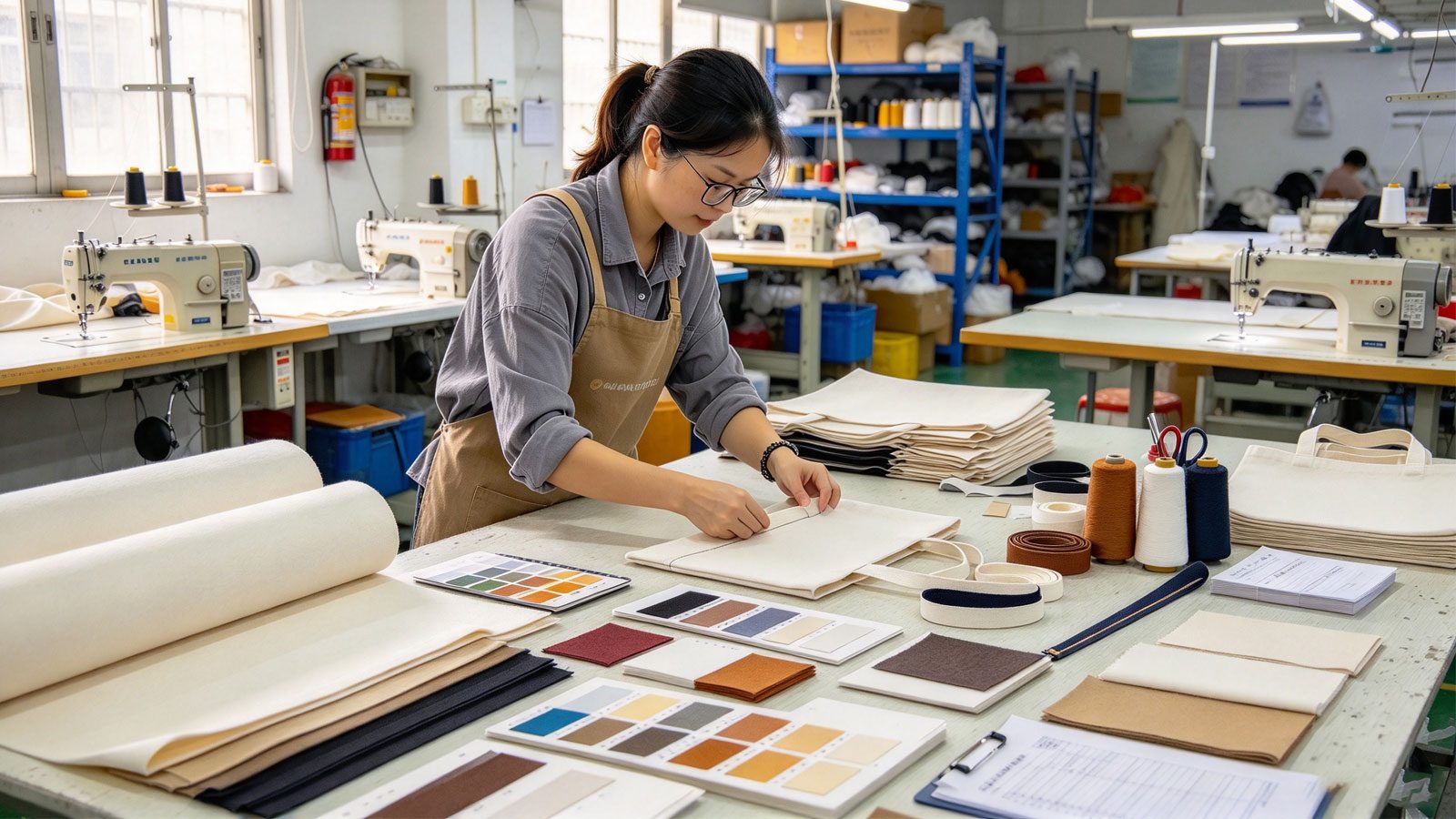
On the production floor this week, our team encountered a compelling design challenge: how to best accommodate a request for customized canvas tote bags destined for a promotional event in the U.S. The customer desired a unique blend of durability, eco-friendliness, and standout aesthetics for mass distribution. This task pushed us to scrutinize not just materials and printing processes but also to innovate on our pattern-making capabilities. The request highlighted how detailed customization can bolster brand identity while meeting practical performance needs. This week's focus on enhancement and precision drives home the importance of carefully navigating customization options to align with both brand ethos and end-user requirements.
Exploring Material Choices
Selecting the ideal material for canvas tote bags has far-reaching implications not only for their look and feel but also for durability and environmental impact. Canvas remains a popular choice due to its sturdy nature and ability to handle heavy-duty usage. It is well-known for its durability, excellent for long-term use, and provides a versatile base for various printing techniques. Canvas also supports high-quality printing, making it a favorite for brands aiming to maintain vibrant visuals on their promotional bags.
Eco-friendliness, especially in the U.S. market, is no longer a niche demand but a significant trend. Recycled RPET (Recycled Polyethylene Terephthalate) is rapidly gaining traction as a sustainable alternative. RPET is made from recycled plastic bottles, offering a double benefit: reducing waste and providing a durable, breathable fabric similar in strength to traditional canvas. Brands conscious of their carbon footprint can thus select RPET to highlight sustainability, which resonates strongly with consumers seeking eco-friendly options.
When considering durability, the material choice directly influences the bag's lifespan and functional resilience. For instance, canvas offers high tensile strength and a robust surface for handling weight, whereas RPET, with its synthetic origins, adds water resistance to its durability credentials — making it an apt choice for those navigating wetter climates or seeking easy-to-clean options.
Furthermore, material choice affects the printing techniques and results. Canvas, with its textured surface, is ideal for silkscreen printing but may limit extremely fine details, whereas smooth RPET surfaces accommodate digital printing techniques, providing clear and detailed imagery. Choosing the right material, therefore, not only supports brand visibility through effective ink application but also affects overall aesthetic outcomes.
Lastly, the material library at SYMPATHYBAG offers extensive options including 300D–1680D polyester, various nylons, canvas, and RPET. This range allows clients to experiment and identify the perfect material that aligns with their goals. More information on options can be found here: Canvas Tote Bags with Custom Printing Options.
Printing Techniques and Considerations
Printing on canvas tote bags offers a wide array of options, each suited to different needs. The choice of printing method is crucial as it directly impacts print quality, durability, and how well the design aligns with the brand's image.
Screen Printing. This method is widely favored for its ability to produce vivid colors, especially on heavier fabrics like 12oz canvas. It excels in durability as the ink sits on top of the fabric, facing less friction. However, the cost can rise with complex multi-color designs.
Digital Printing. Ideal for intricate designs or when small quantities are required, digital printing works well with lighter fabric, such as 5oz to 8oz canvas, but it may lack the durability of screen printing. The eco-friendliness of digital printing depends on the inks used, with water-based inks being a more sustainable choice.
Heat Transfer. A versatile method, heat transfer can handle various colors and captures fine details. It's suitable for mid-weight fabric (around 8oz to 10oz canvas) but may not be as durable as other methods due to the potential for peeling under high wear conditions.
The type of canvas fabric plays a vital role in the final print quality. Heavyweight canvas often supports richer textures and higher durability prints, while lighter materials might show colors less vividly due to ink penetration issues.
Popular eco-friendly inks include plant-based options and water-based inks, which are gaining traction due to their reduced environmental impact. U.S. market trends show a preference for sustainable choices, impacting brand visibility as eco-conscious consumers increasingly favor companies with greener practices.
Printing Techniques For Canvas Tote Bags
| Method | Suitable Fabric | Durability | Cost Implication | Eco-friendliness |
|---|---|---|---|---|
| Screen Printing | Heavyweight | High | Medium to High | Low |
| Digital Printing | Light to Midweight | Medium | Low to Medium | Medium |
| Heat Transfer | Midweight | Low to Medium | Low | High |
| Embroidery | Heavyweight | Very High | High | Medium |
| Sublimation | Polyester Blends | High | Medium | Medium |
Effective printing customization not only enhances brand visibility but also ensures a product that speaks to quality and sustainability. Aligning printing techniques with fabric types and market preferences allows brands to strategically position their products in a competitive marketplace.
Customization in Hardware and Accessories
Custom hardware options such as zippers and closures are crucial in customizing canvas tote bags. SYMPATHYBAG offers a selection of zippers including YKK and SBS, which are renowned for their durability and smooth operation. These brands also allow for custom pulls and teeth colors, giving that extra layer of personalization crucial for branding. Closures like magnetic snaps or buckles can change the bag's functionality and overall style, appealing to different consumer tastes.
Branded accessories significantly boost brand identity by serving as visual and tactile branding touchpoints. Incorporating logo-embossed hardware like zipper pulls or branded metal tags strengthens recognition and conveys a premium brand feel. This kind of detail caters to the U.S. market's growing preference for individuality and personalized goods.
Durable hardware. Longevity directly correlates with the quality of hardware components. Using robust materials like brass or zinc alloy for buckles and clasps ensures the bag withstands daily wear and tear. Focused on functionality, these components enhance the tote's lifespan, a factor of significant importance in markets that value sustainability and long-term investment.
The U.S. market preferences often lean towards practicality blended with uniqueness. Customers in this region frequently seek hardware that marries function with aesthetic appeal—think antique brass finishes or matte black for a contemporary chic look. Understanding these preferences allows brands to tailor their offerings more precisely.
MOQ considerations. When it comes to hardware customization, MOQ requirements can be a pivotal factor for brands planning to introduce new collections or lines. Lower MOQ thresholds benefit smaller businesses or new market entrants, helping them manage inventory risk while still being able to supply customized products without overextension. This strategic decision requires careful discussion with manufacturers like SYMPATHYBAG, who provide guidance on balancing MOQ with per-unit cost.
Design Aspects: From Sketch to Prototype
Developing a canvas tote bag from concept to prototype involves several critical stages. Initial sketches. At SYMPATHYBAG, the design process kicks off with initial sketches that encapsulate the client's vision. These sketches are then translated into detailed technical drawings. This stage demands a profound understanding of both aesthetic and functional aspects to ensure the design aligns with the intended usage of the bag.
Pattern making. One pivotal step in custom designs is pattern making. Patterns lay the groundwork for precision in crafting the tote bags. Each pattern accounts for fabric type and thickness, which must suit the base material. Incorrect pattern dimensions can lead to defects like uneven seams or poorly fitted components, jeopardizing the final product’s quality.
Challenges in prototyping. Prototyping is where designs face real-world scrutiny. Challenges such as incorrect stitch sizes or unexpected material behavior can arise. To counter these, iterative testing is key. Employing prototype iterations allows designers to make necessary adjustments. Material behavior. For instance, canvas might react differently to tension or temperature changes during the prototype phase, influencing stitch style choices.
Impact on final product quality. Prototyping directly impacts not only the final product's quality but also customization scope. A precise prototype demonstrates viable options for features like additional pockets or embroidery placements without compromising the structural integrity of the tote.
Role of customer feedback. Feedback loops contribute significantly to refining designs. SYMPATHYBAG actively incorporates client insights into subsequent prototypes, ensuring the final product aligns closely with customer expectations. Feedback often focuses on functionality and ergonomic design, ensuring that the tote bag is not only visually appealing but also practical.
This iterative process from sketch to prototype not only fine-tunes design elements but is also crucial to achieving a high customization standard and market-ready product.
Ensuring Quality and Compliance
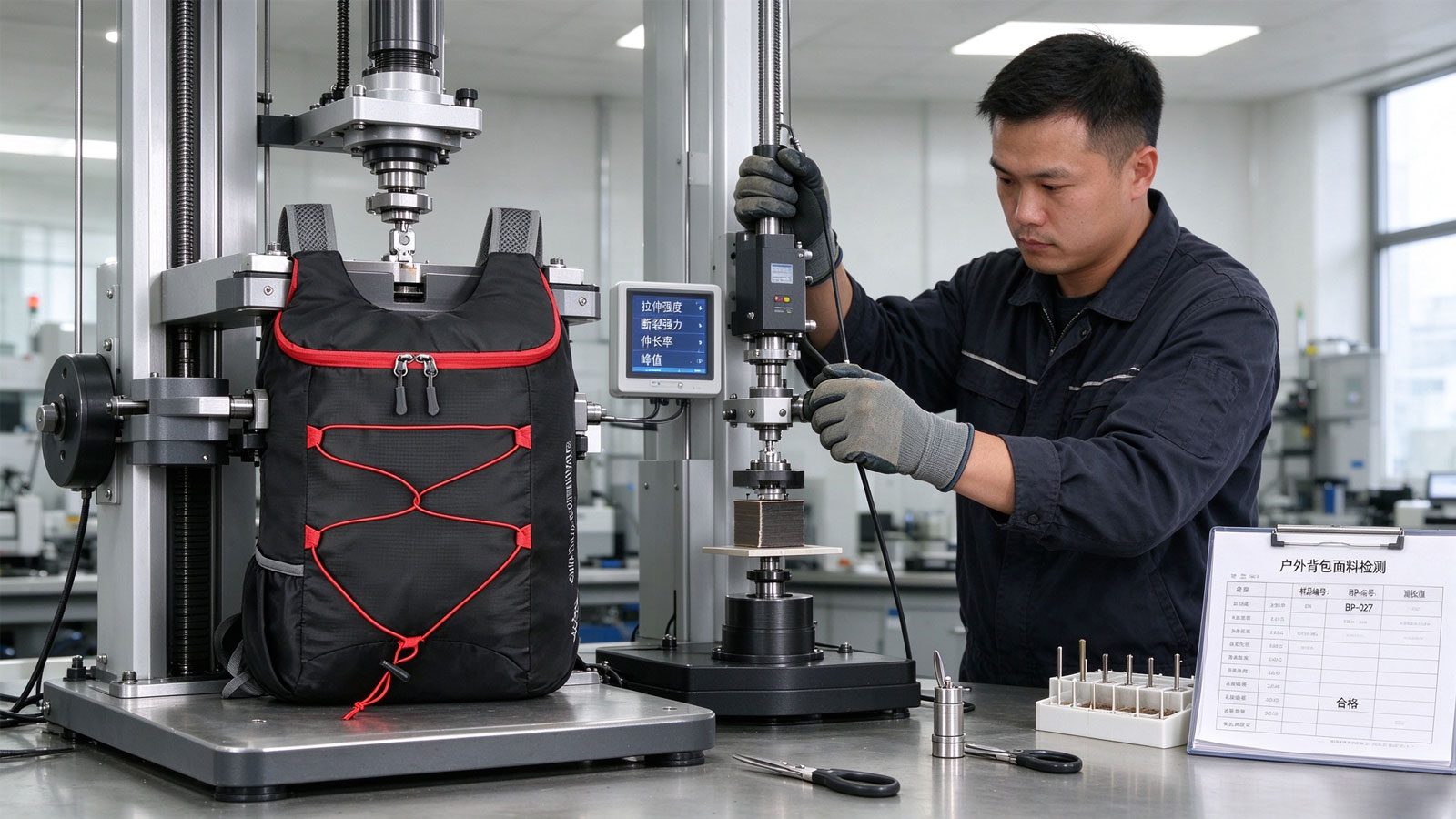
Quality control steps. At SYMPATHYBAG, ensuring superior quality in canvas tote bags begins with a structured in-line quality control (QC) process. Our approach involves rigorous inspections at four critical stages: initial quality control (IQC) for incoming materials, in-process QC (IPQC) to monitor assembly, and final checks before dispatch. This proactive method aids in catching and addressing defects early, significantly reducing waste and reworks.
Compliance with U.S. regulations. Adherence to U.S. compliance standards is crucial for market entry and customer trust. We ensure products meet the standards laid out by regulations like the Consumer Product Safety Improvement Act (CPSIA), which mandates strict lead and phthalate limits, particularly for children's products. Additionally, all canvas totes are tested against California Proposition 65 standards, which require disclosure of any chemicals known to cause cancer or reproductive harm.
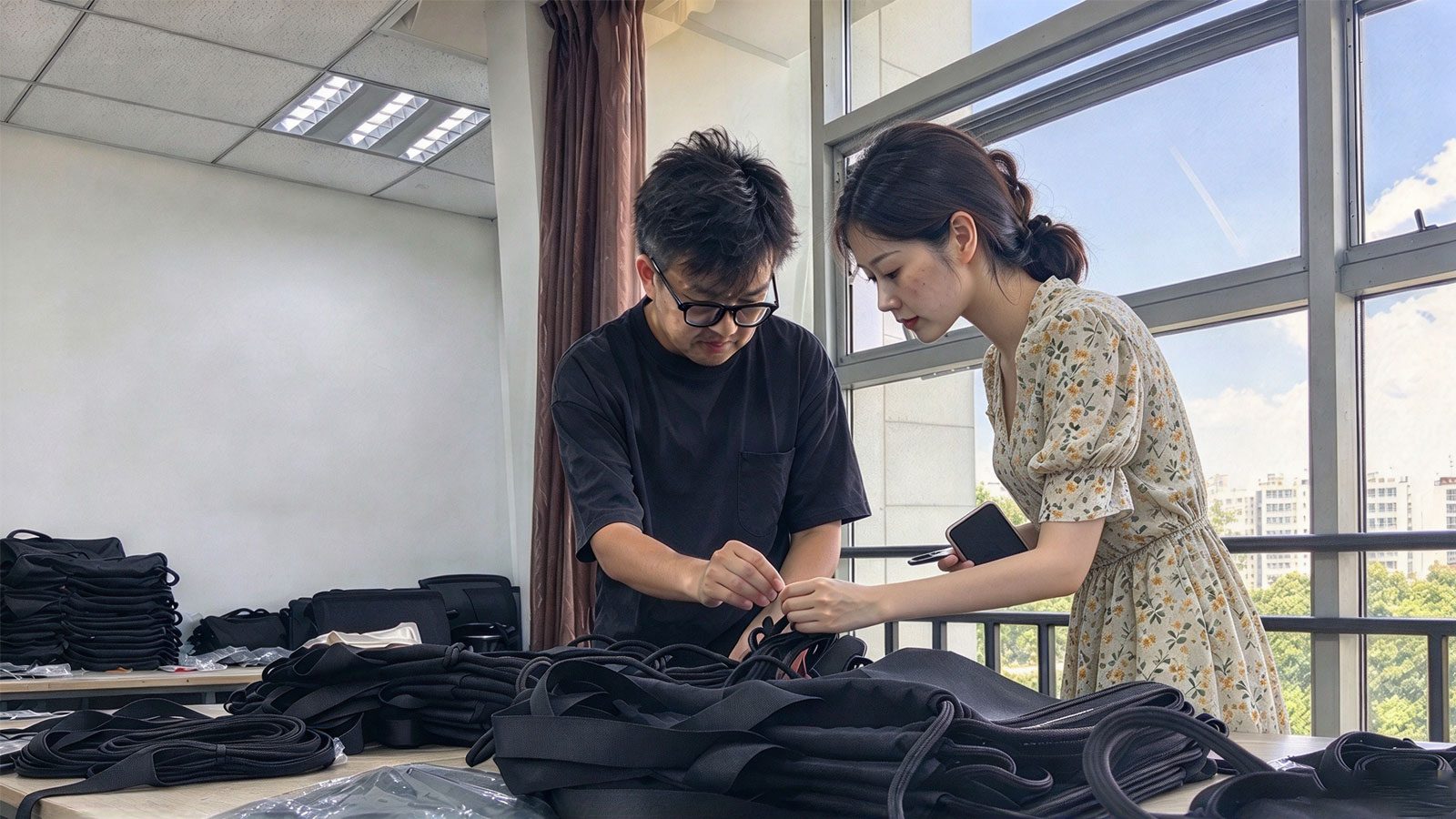
Significance of in-line QC. Maintaining high standards through in-line QC processes is not mere bureaucratic rigor—it's essential for sustaining product integrity and customer satisfaction. By embedding these checks into every phase of production, SYMPATHYBAG avoids costly end-stage failures and recalls. Our facilities hold an ISO 9001 certification, demonstrating our commitment to continuous quality management and operational excellence.
Impact on competitiveness. Quality and compliance are not just technical necessities; they are strategic advantages in a cluttered market. High compliance standards improve marketability, creating opportunities to capture discerning customers who prioritize safety and transparency. A strong reputation for quality helps differentiate SYMPATHYBAG from its competition, ensuring that we remain a preferred partner for brands looking to expand in the U.S.
SYMPATHYBAG's certifications. The alignment with robust international standards and certifications, such as product testing to REACH and using GRS-certified recycled materials, fortifies our products' competitive edge. This compliance ensures that SYMPATHYBAG’s offerings are not just market-ready but are leaders in quality and sustainability.
What Should You Prioritize in Your Customization Specifications?
Choosing the right features for your canvas tote bags depends heavily on their intended use. A promotional tote, for instance, may prioritize large surface areas for printing, while a grocery tote might need reinforced seams for durability. End-use dictates the core functionalities—such as dimensions, weight capacity, and ease of carrying—each feature necessitating decisions that affect practical functionality.
Aesthetics vs. Functionality. This trade-off is pivotal. If the bag is an accessory for a fashion line, sleek design and color matching might overshadow the need for added pockets or heavy-duty straps. However, opting for aesthetics often means some functionality is compromised. Balancing these aspects is key: clear specifications on both sides help ensure the final product meets consumer expectations.
Detailed Specifications. Well-defined specs reduce the likelihood of production mishaps. Vague descriptions can lead to misinterpretation and deviations, resulting in delays or unsatisfactory products. Include precise measurements, material grades, and finishing techniques to minimize errors. For example, specifying thread count in stitching can prevent weak seams.
Clear Communication with Suppliers. Regular dialogues ensure that all parties are aligned with the product goals. Miscommunication can be avoided by providing comprehensive drawings or samples. This is vital during stages such as Navigating OEM Options for Custom Duffel Bags in Guangzhou, but the principle holds across all bag types.
Sustainability Goals. Aligning your specs with eco-friendly practices extends beyond fabric choice. For example, opting for biodegradable inks or recycled zippers reflects conscientious consumption, responding to market demand for greener practices. Consider life cycle and recyclability in your design goals, prompting a sustainable approach that resonates in today's markets.
FAQ: Customizing Canvas Tote Bags
How does customization impact production timelines? Customization can extend production timelines depending on design complexity, material sourcing, and order volume. Detailed specifications early in the process can mitigate delays by ensuring clear expectations.
What are the challenges in sourcing sustainable materials for bags? Sourcing sustainable materials can pose challenges such as limited availability, higher costs, and certifying compliance with eco-standards. Engaging with suppliers early helps manage these challenges.
How do you balance cost with extensive customization needs? Balancing cost and customization requires prioritizing key features and materials essential to your brand while considering budget limits. Explore cost-effective alternatives that don’t compromise overall product quality.
FAQ: Customizing Canvas Tote Bags
What is the typical lead time for customized canvas tote bags?
Lead times for customized canvas tote bags vary. The exact schedule is confirmed at quotation, depending on the design and quantity specified. Contacting the supplier directly for estimated delivery times is advisable to align expectations.
How does choosing eco-friendly materials impact costs?
Choosing eco-friendly materials can affect costs depending on the source and availability. While recycled materials like RPET might be slightly higher priced, they offer benefits in market preference and brand reputation.
What are the most popular customization options for canvas tote bags?
Popular customization options include selecting the type of fabric, printing method, and adding branded hardware or accessories like zippers and handles. Such choices enhance brand visibility and meet specific market demands.