"What should I ask before ordering business and laptop backpacks for the first time?" First-time importers need to clarify key points before committing to an order. This includes understanding material specifications, minimum order quantities, quality certifications, and shipping logistics. These factors will determine the final product quality and adherence to market needs. Ensuring alignment with your supplier on these questions helps in making decisions that align with your brand requirements and budget constraints. Not considering these questions can lead to unexpected costs or delays. By carefully evaluating each area, businesses can better navigate the complexities of importing with confidence.
What are the minimum order quantities required?
Understanding the minimum order quantities (MOQs) is vital when importing business and laptop backpacks for the first time. MOQs can vary significantly depending on the backpack type and the supplier's capabilities. Generally, MOQs for backpacks produced by Guangzhou Ceyin Bags Co., Ltd. — known as SYMPATHYBAG — are flexibly tailored through negotiation, especially for new buyers looking to test the market.
MOQs typically influence pricing, with larger orders generally reducing the per-unit cost due to economies of scale. First-time importers often benefit from negotiating MOQs to suit trial runs, allowing for a test phase without committing to an overwhelming quantity. SYMPATHYBAG demonstrates flexibility in MOQs, making it an accessible choice for businesses entering the market. Decisions on MOQs also directly impact supplier selection, as they dictate procurement feasibility and initial investment cost. Larger MOQs may be beneficial for well-established brands, while smaller, negotiable MOQs serve startups and small businesses intending to enter the market cautiously.
MOQ Considerations for Backpack Orders
| Backpack Type | Typical MOQ | Potential Flexibility | Impact on Pricing |
|---|---|---|---|
| Business Backpacks | 300 units | Moderate—negotiable | Lower cost with higher quantity |
| Laptop Backpacks | 200 units | High for first-time orders | Varies based on custom features |
| School & Kids Backpacks | 500 units | Fixed for initial orders | Basic styles typically cost less |
| Travel Duffel Bags | 300 units | Considerable for samples | Bulk orders attract discounts |
| Outdoor/Sports Packs | 400 units | Slight—possible for startups | Higher cost given specialty design |
Negotiating MOQs effectively plays a crucial role in supporting strategic sourcing decisions. First-time importers should recognize these nuances when planning their entry into the backpack market. For a deeper understanding of how to navigate this, visit our Business & laptop backpacks for first-time importers page.
What quality certifications should be verified?
Quality certifications play a pivotal role in ensuring that your business and laptop backpacks meet international standards and satisfy market expectations. First and foremost, you'll want to verify ISO 9001 certification. This globally recognized standard focuses on quality management systems (QMS), ensuring that products consistently meet customer and regulatory requirements. Good QMS fosters a philosophy of continuous improvement and customer satisfaction, which is crucial for maintaining the quality of backpacks.
For markets in the European Union or states like California, compliance with REACH and California Prop 65 is non-negotiable. REACH (Registration, Evaluation, Authorisation, and Restriction of Chemicals) guards against hazardous substances that could be harmful to health or the environment. Similarly, California Prop 65 mandates businesses to disclose significant levels of chemicals that cause cancer or reproductive harm.
In addition to safety, sustainability is becoming increasingly important. The Global Recycled Standard (GRS) certification is key for brands targeting eco-conscious consumers. It verifies the recycled content of products and tracks it from source to final product, ensuring environmentally responsible practices throughout the supply chain.
For backpacks designed with electronic-friendly features, asking suppliers about CE and RoHS compliance is critical. CE marking signifies that products meet EU safety, health, and environmental protection requirements. RoHS restricts the use of specific hazardous materials in electrical and electronic products, promoting safer working environments and market acceptance within the EU.
Altogether, these certifications not only guarantee the safety and quality of your products but also enhance their acceptance and marketability in diverse global markets.

How does customization affect lead times and pricing?
Customization adds layers of complexity to the manufacturing process, which inevitably influences lead times and pricing for business and laptop backpacks. The lead time for customized designs generally depends on factors such as material selection and design intricacies. For example, choosing specialized fabrics like Cordura-type nylon or GRS-certified recycled RPET, which require precision in sourcing and production, can lengthen the production schedule. We also need to consider the availability of bespoke hardware and logos, which can add to the timeframe if specific items are not immediately accessible.
The complexity of the requested customization directly impacts production pricing. High complexity — involving multiple custom elements like unique linings, intricate embroidery, or special fasteners — calls for more detailed labor and potentially additional tooling. This not only extends production timelines but also increases manufacturing costs. Thus, finding a balance between desired customization and budget constraints is crucial.
Before finalizing an order, be prepared for lead time confirmation during the quotation phase. At this stage, specifics such as design details and order quantities are clearly defined. This is when we provide an accurate production schedule and pricing estimate, laying out any adjustments needed to meet the client's customization needs. While high customization often adds time and cost, the payoff is substantial when the final product aligns perfectly with brand vision and meets unique market needs.
What should be included in the first sample order?
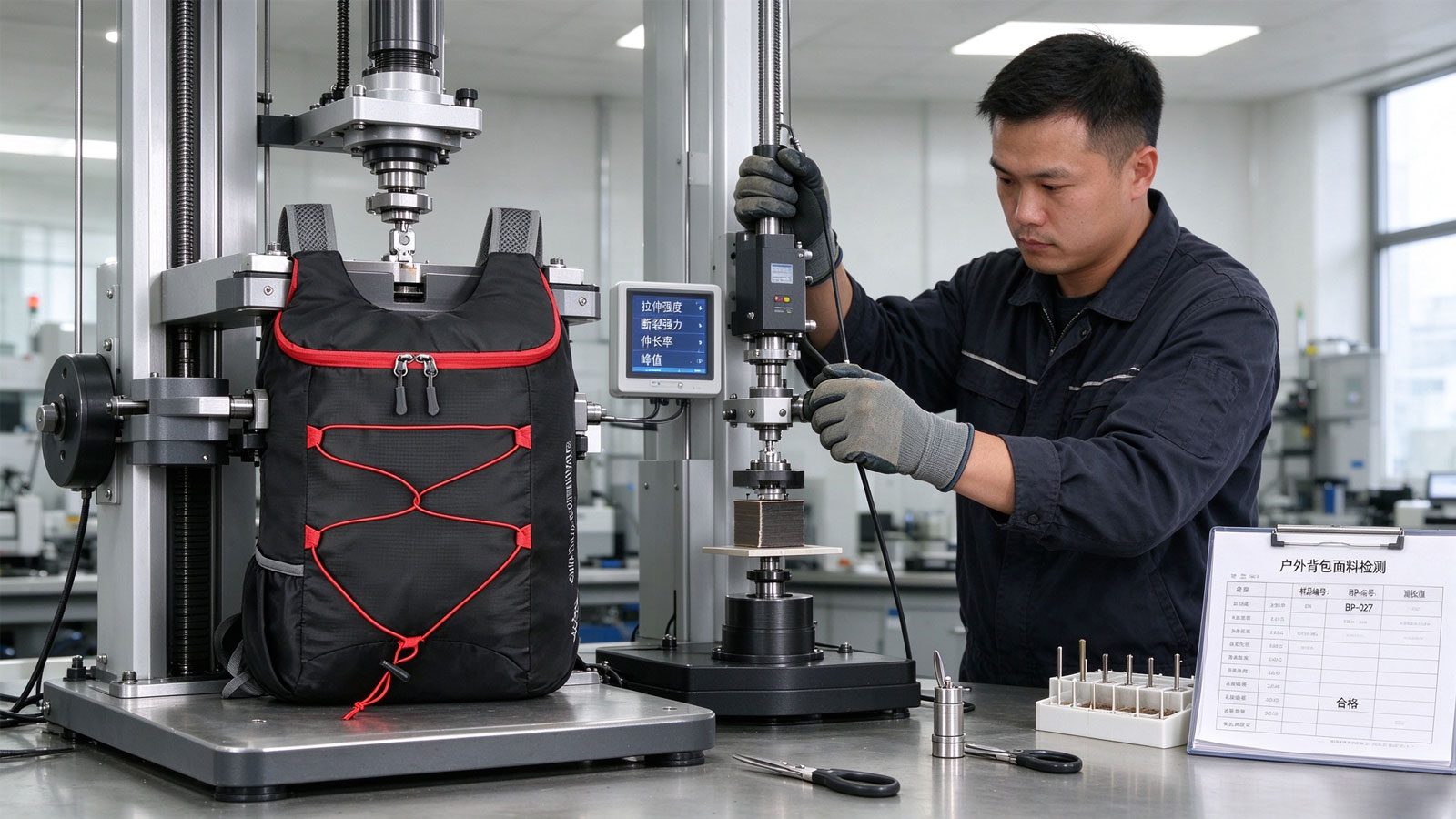
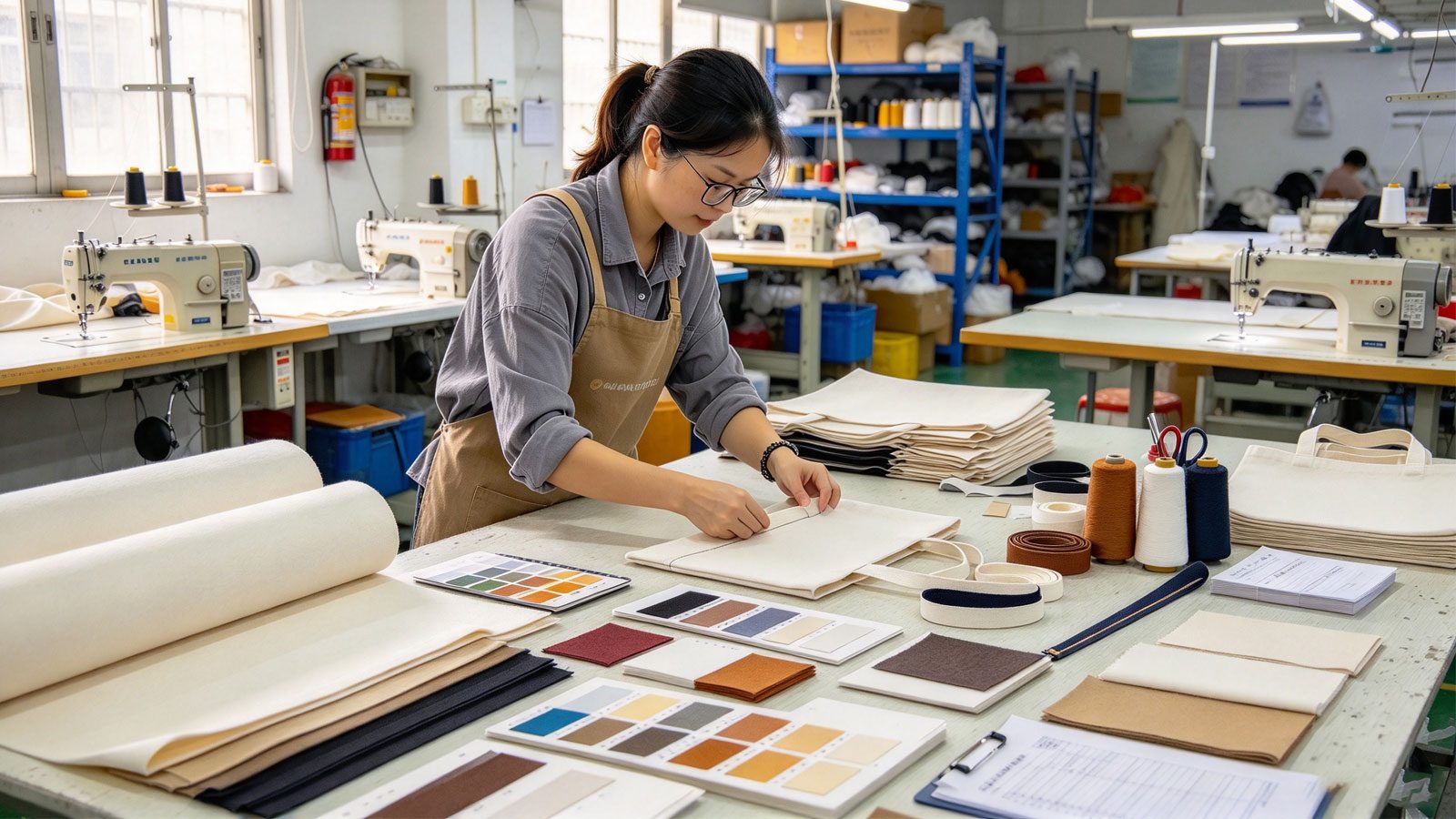
The success of your first sample order lies in its thoroughness and specificity. Begin by clearly listing the key components you need to assess: zippers, material fabrications, and stitching are crucial. Testing zippers, such as those from YKK or SBS, ensures reliability over time — poor zipper function can render the entire backpack unusable. Evaluating materials like polyester or Cordura-type nylon for durability against wear is equally important. Guangzhou Ceyin Bags Co., Ltd. provides samples made from various fabrics to consider.
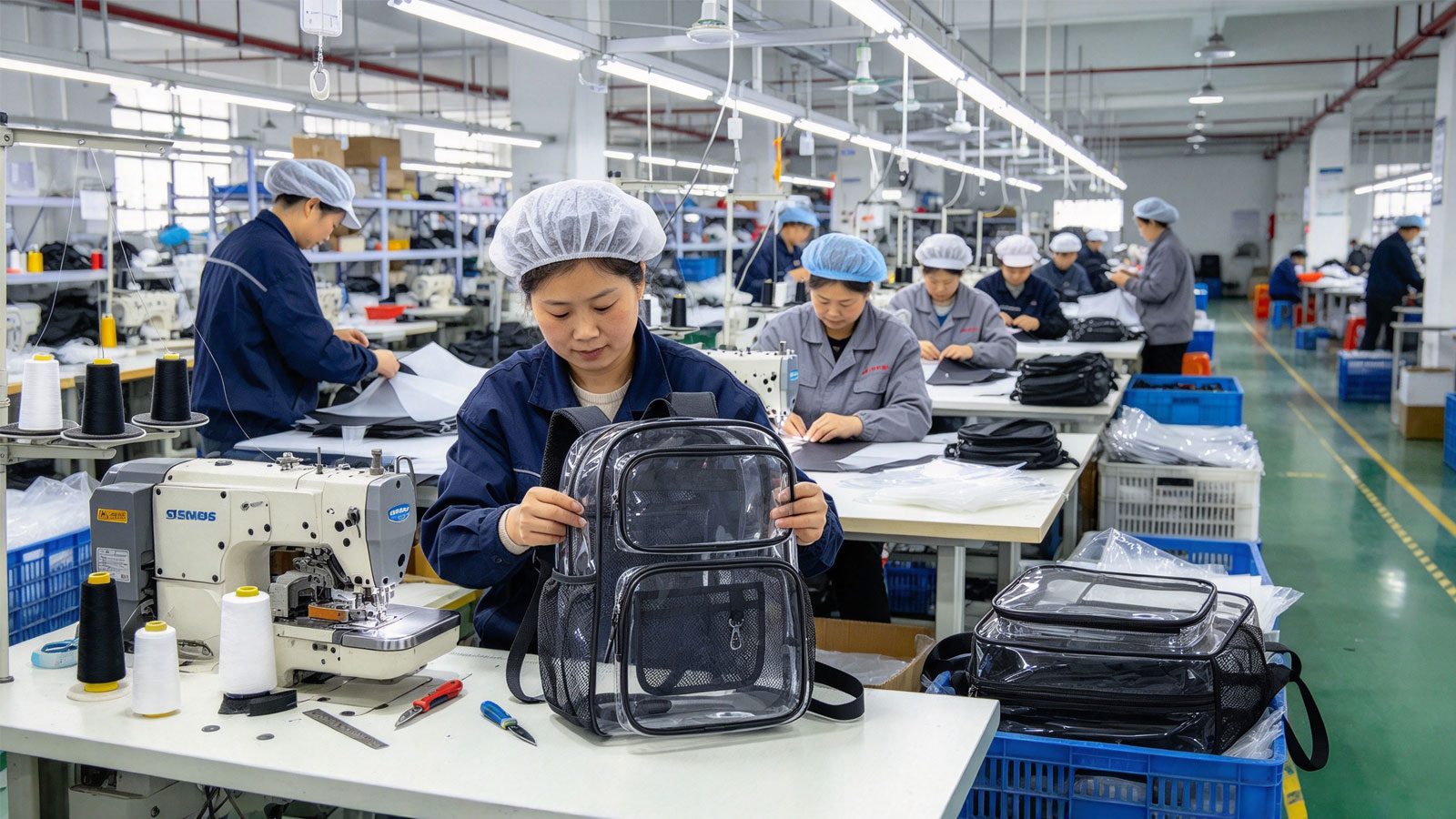
Don't overlook the importance of scrutinizing stitching techniques. Consistent, double-stitched seams often signal a backpack that can endure regular heavy use. Overall design accuracy is another must-test element — ensure that prototype dimensions align with your intended design specifications and the backpack's practical features meet expectations.
Comparing samples from multiple suppliers like Business & laptop backpacks for brands informs about market standards and supplier capabilities. It allows you to identify distinctive quality variances that may not be evident until you have samples in hand.
Furthermore, set transparent expectations for sample production timelines upfront. Clarifying your timeline expectations can mitigate potential delays and ensure alignment. Suppliers typically adapt schedules based on sample complexity, but setting clear initial expectations fortifies communication and manages deliverables effectively. Ensuring that your first sample order is comprehensive and evaluated against clear criteria sets a strong foundation for the production relationship and eventual bulk orders.
What payment terms are typically offered?
When dealing with business and laptop backpack manufacturers, the industry commonly offers payment terms that ease early-stage cash flow management for importers. Typically, these are divided into installments, such as a 30% deposit with the balance of 70% due upon shipment or receipt of the bill of lading. This structure helps manufacturers secure financial commitment while providing buyers some leeway to inspect product quality before full payment.
Negotiating these terms can be strategic for first-time importers aiming to minimize risk. It's not unusual for new buyers to seek adjustments—like a reduced deposit or altered payment schedules—to manage initial cash flow. International suppliers, including Guangzhou Ceyin Bags Co., Ltd., often have some flexibility, especially if an importer shows potential for long-term volume.
A crucial aspect for importers, beyond negotiation, is understanding the risk management embedded in these payment terms. Full payment post-shipment can mitigate the risk of receiving subpar goods, but it relies heavily on pre-established trust and clear communication with the supplier.
Flexibility in payment terms is influenced by several factors: order size, frequency of anticipated orders, and even the supplier's current financial needs. Larger or repeat orders may provide the leverage needed to negotiate more favorable terms. Importers should discuss their anticipated ordering plans with their supplier to see how it may impact their payment terms.
Ultimately, clear and communicative negotiation, allied with an understanding of both parties' needs, helps in achieving mutually beneficial payment terms. Structured agreements that consider these nuances can safeguard an importer’s budget while enabling manufacturers to manage their cash flow efficiently. This ensures a smoother transaction for both parties involved.
What logistics and shipping considerations are important?
When importing business and laptop backpacks, logistics and shipping decisions determine both the timeline and cost efficiency of your orders. Choosing between air and sea freight hinges on weighing speed against cost. For instance, air freight is much faster but considerably more expensive, typically suitable for smaller, urgent consignments. In contrast, sea freight offers a cost-effective solution, particularly when ordering larger volumes, despite longer transit times.
Understanding import taxes and duties is crucial, as these affect the final landed cost of your products. Import duties vary based on the country of destination and the materials used. Knowing the classifications under the Harmonized System (HS) and the applicable duty rates helps in accurate cost estimations.
Incoterms play a critical role in shipping agreements by clarifying responsibilities between buyers and sellers, covering costs, risks, and logistics. Terms such as FOB (Free On Board) and CIF (Cost, Insurance, and Freight) define who handles and pays for shipping, insurance, and duties.
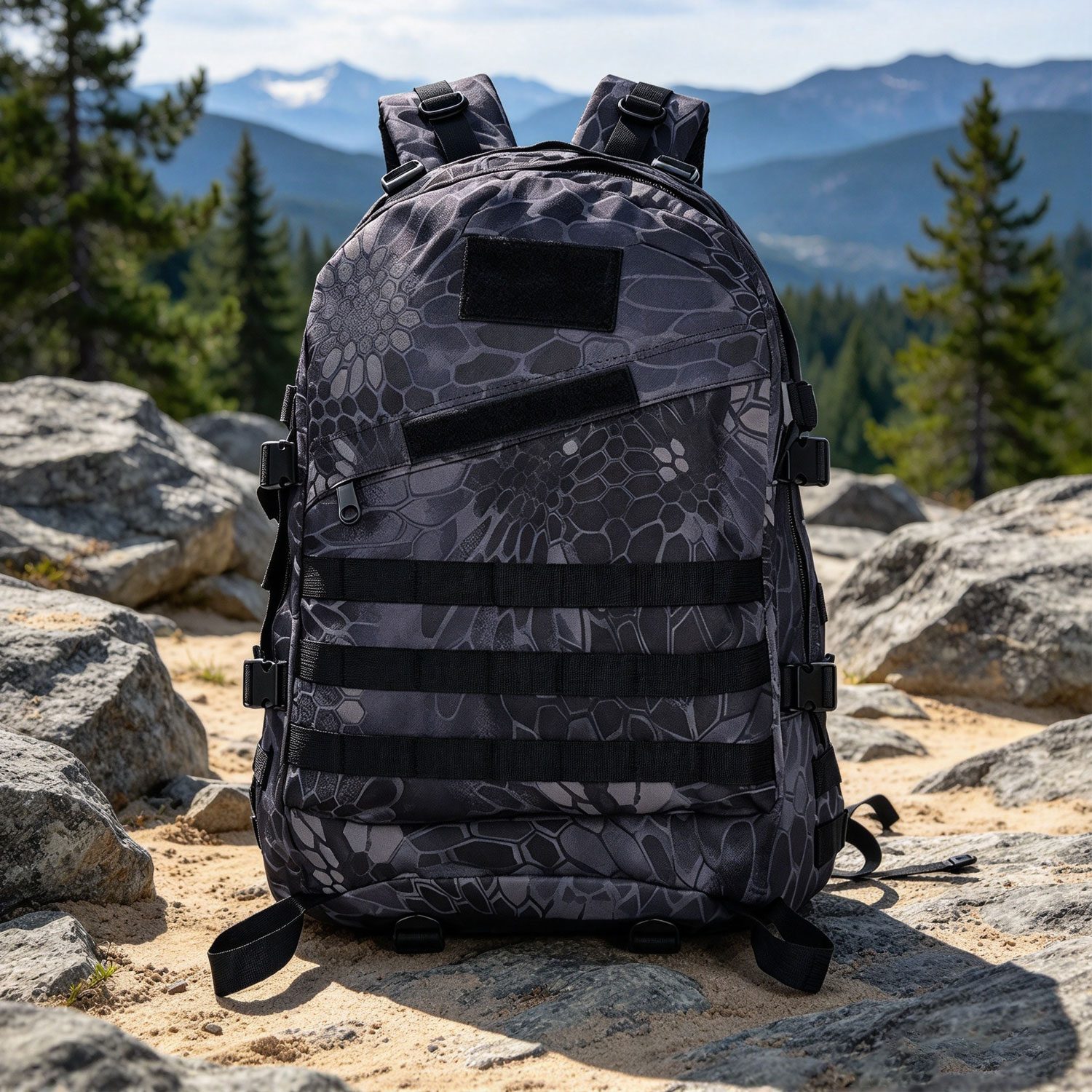
Selecting the right logistics chain can significantly impact your order's turnaround time. Efficient logistics integration ensures smooth processing and minimizes delays. It's wise for first-time importers to consult with logistics partners to align their choices with order specifications and delivery requirements.
For detailed features on protective gear in backpacks, explore our range of Business & Laptop Backpacks with Anti-Theft Features, designed to meet varied security needs during transit.
What's the most common follow-up question after placing an order?
Once an order is placed, the foremost question importers often ask is: "How can I track my order?" Monitoring an order's progress is crucial for importers to manage timelines and plan for any disruptions effectively. SYMPATHYBAG provides a robust tracking system that keeps clients informed throughout the order lifecycle. Ensuring upfront clarity on this process can significantly enhance customer satisfaction.
Effective communication channels are crucial if any order-related queries or issues arise. SYMPATHYBAG supports importers with dedicated account managers and customer service representatives who are accessible via email and phone to resolve issues quickly. It's advisable to confirm these support options at the onset of the relationship to ensure seamless communication throughout the process.
Another common concern involves finalizing delivery schedules. Importers should seek a transparent timeline that includes all potential checkpoints from production to final delivery. This helps manage expectations, especially in light of potential delays caused by various factors like customs clearance or unforeseen logistical challenges.
Managing potential delays calls for realistic expectations. Importers should engage in proactive discussions regarding potential delays and contingency plans. SYMPATHYBAG prioritizes upfront agreement on timelines, which can mitigate misunderstandings down the road.
To resolve order issues, establish clear communication protocols with the supplier. This includes designating responsible parties for different aspects of the order, and setting expectations on response times for queries. By doing so, importers can ensure a smooth importing experience, fostering a strong relationship with the supplier.
Next steps for securing your backpack supply chain
Due diligence in supplier selection can't be overstated; it’s the cornerstone of a reliable backpack supply chain. Thoroughly vet your potential suppliers to ensure they meet your criteria. Building long-term relationships with proven suppliers fosters trust and consistency in your orders. Starting with small trial orders is wise to test supplier capabilities and workflow. Consider scaling orders in phases as trust and performance confidence grow. Each step solidifies your supply chain foundation.