When customizing ODM outdoor & sports backpacks, understanding key factors such as material durability and customization options is crucial. SYMPATHYBAG's factory in Shiling, Huadu, is equipped to produce ~50,000 bags monthly using a variety of materials like polyester and RPET, meeting standards like CPSIA and California Prop 65. With the ability to customize fabric, color, and hardware, buyers can align their products with their brand requirements. Knowing these essentials helps buyers ensure their backpacks meet safety and functionality demands, providing the foundation for a successful product line. This comprehensive guide discusses these elements in detail, ensuring informed purchasing decisions.
The Numbers Driving ODM Backpack Decisions
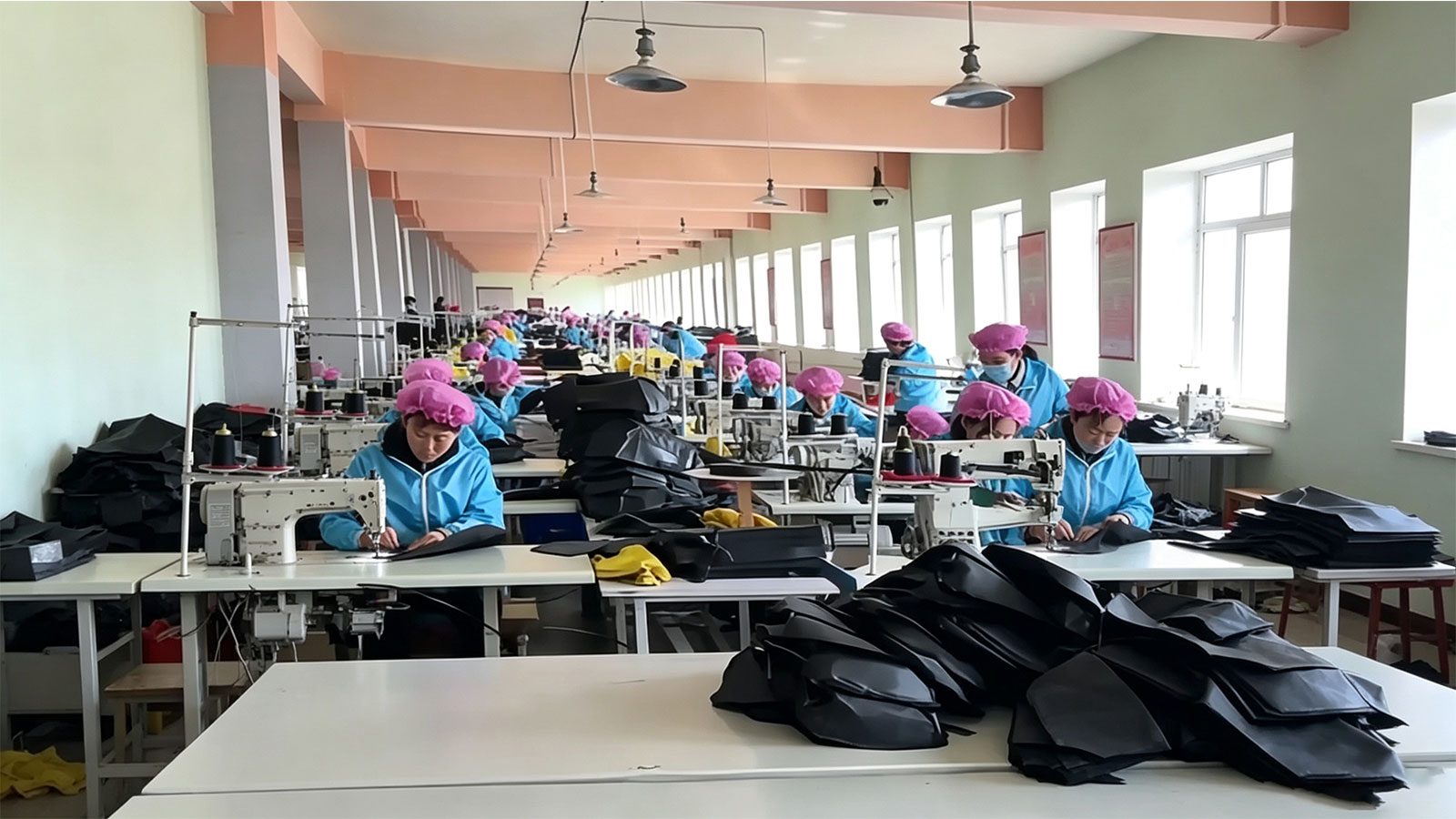
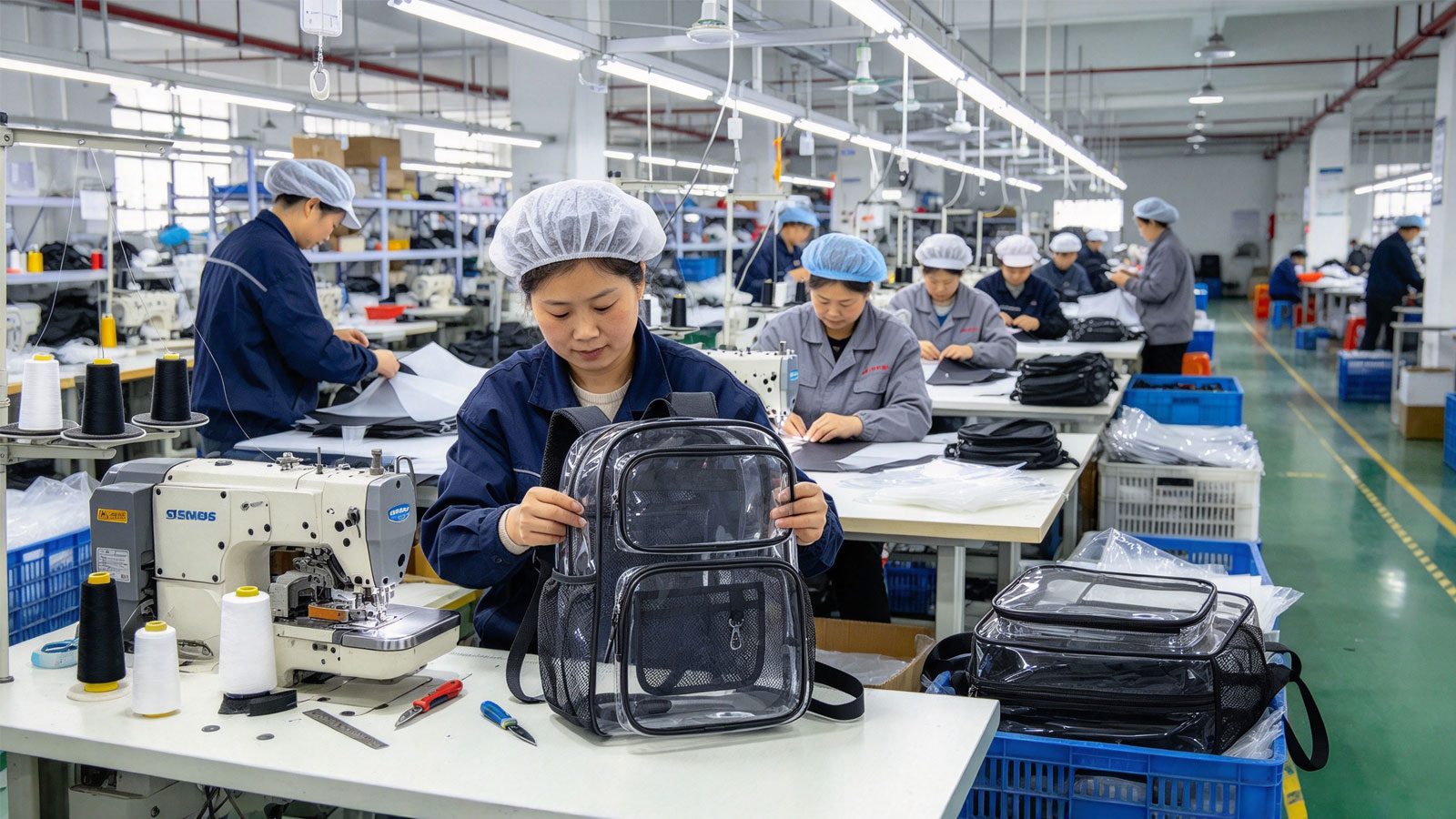
At SYMPATHYBAG, the ability to produce approximately 50,000 bags a month drives its capacity to meet large-scale demands swiftly. This high production volume, facilitated by advanced machinery and a skilled workforce, enables the company to manage and scale orders efficiently. Meeting demand fluctuations is crucial in the ODM landscape, where the capability to adjust production without compromising quality sets a manufacturer apart.

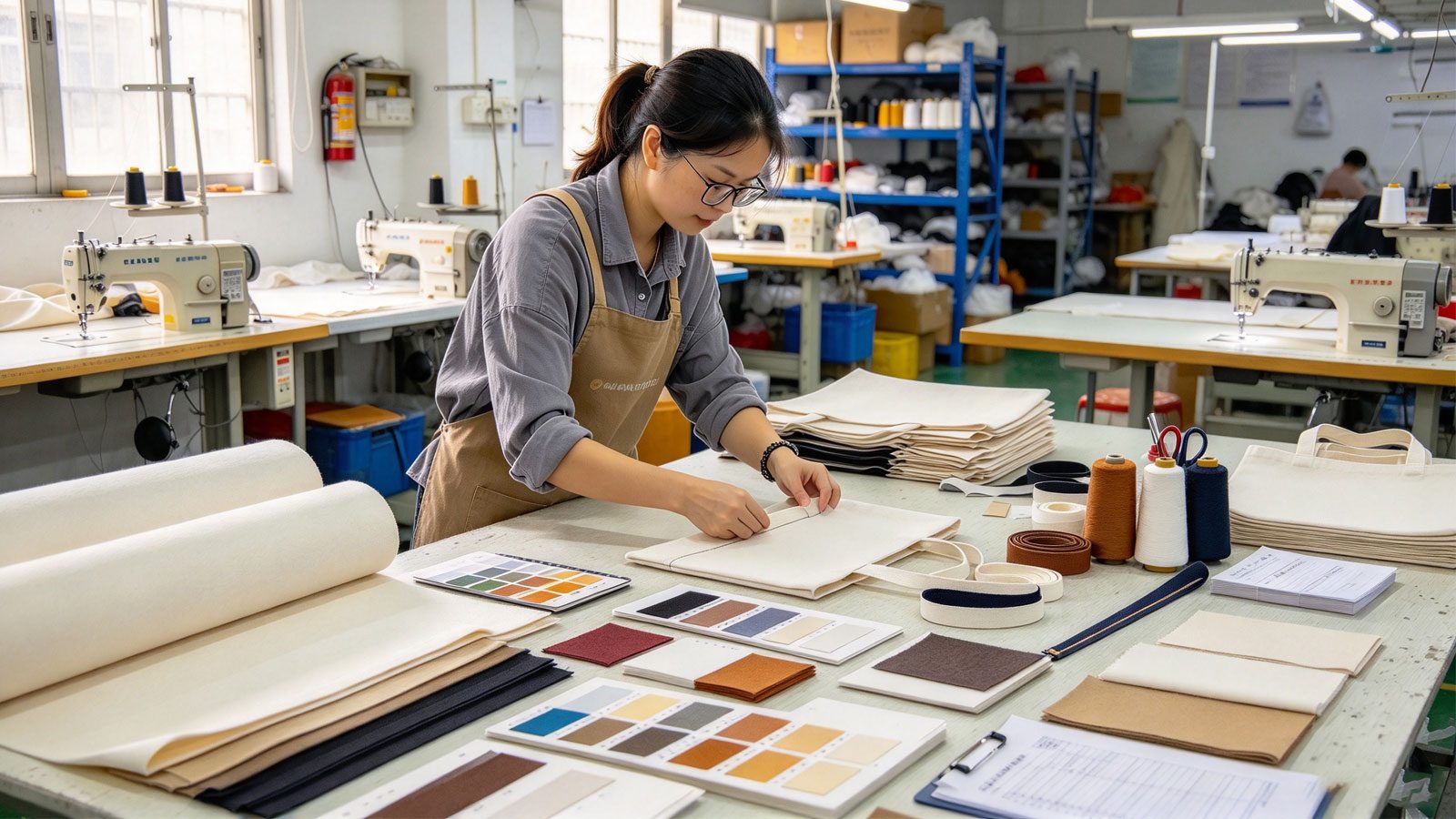
Material Selection: The Fabric Factor Material choices directly influence the durability and appeal of a custom ODM outdoor or sports backpack. SYMPATHYBAG offers customization using robust materials like polyester, RPET (recycled polyethylene terephthalate), and nylon. Each material caters to different performance needs; for instance, polyester is valued for its durability and resistance to environmental stresses, while nylon offers superior tensile strength. RPET, increasingly preferred for its environmental benefits, reflects a growing demand for sustainability in outdoor gear.
Compliance and Quality Standards Achieving quality doesn’t stop at material selection. SYMPATHYBAG meets key industry standards such as CPSIA for consumer safety and California Prop 65 for chemical exposure. Adhering to these regulations ensures the products are safe for end-users and compliant in vital markets, particularly in the United States. This compliance is non-negotiable for buyers focusing on both quality and legal adherence.
Lead Times: Pinning Down Production Schedules The lead time for custom ODM backpacks is typically contingent on finalizing the design and agreed-upon quantity. At SYMPATHYBAG, these elements dictate the schedule, ensuring that production and delivery align with buyers' timelines once the design is settled. Customization impacts each stage, so syncing a realistic timeline is critical for avoiding shipment delays.
Flexibility to Demand Fluctuations Finally, being flexible to shifts in demand is essential. SYMPATHYBAG’s facility adapts its output according to market demands without sacrificing quality. This adaptability not only meets immediate customer needs but also positions the brand as a responsive partner in the fast-paced ODM market.
Explore more about our production capabilities in the Custom Outdoor & Sports Backpacks with High Capacity.
Understanding Key Material Parameters
When designing custom outdoor and sports backpacks, selecting the right material is crucial. The two primary materials often chosen for their durability are polyester and nylon. Each comes with distinct properties that make them suitable for different environmental conditions. Polyester is known for its excellent resistance to UV rays, making it a strong candidate for backpacks exposed to sunlight. Conversely, nylon tends to have superior abrasion resistance, which is ideal for rugged terrains and harsh usage.
Beyond durability, sustainability has become a focal point in material selection. Recycled materials like RPET (recycled polyethylene terephthalate) are increasingly popular due to their eco-friendly nature. Utilization of GRS-certified RPET reduces the environmental footprint of backpack production, aligning with global shifts towards more sustainable practices. This also assists in complying with key regulatory requirements such as the California Prop 65 and REACH standards, which are critical for exporting to markets concerned about environmental impact.
Fabric coatings play an essential role in enhancing backpack performance. For instance, polyurethane (PU) and polyvinyl chloride (PVC) coatings can provide waterproof characteristics, protecting contents from wet conditions. This added layer of protection ensures the backpack’s integrity under varied weather scenarios, offering extended usability.
Environmental regulations further impact material decisions significantly. For manufacturers like Guangzhou Ceyin Bags Co., Ltd., adherence to these regulations, such as CPSIA, ensures that products not only meet safety standards but remain competitive in international markets. This involves a careful selection of compliant materials, thereby securing both safety and market access.
Material Properties & Relevance
| Material | Durability under Conditions | Sustainability Factor | Regulatory Compliance |
|---|---|---|---|
| Polyester | Excellent UV resistance, moderate abrasion | Typically less sustainable | CPSIA, California Prop 65 |
| Nylon | Superior abrasion resistance, moderate UV resistance | Recyclable options available | CPSIA, California Prop 65 |
| RPET | Moderate durability, variable with blend | High, made from recycled plastics | GRS, REACH compliant |
| PU Coated | Enhanced water resistance and durability | Varies depending on base material | CPSIA |
| PVC Coated | Strong waterproofing in diverse conditions | Lower due to potential toxins | REACH |
Understanding these material parameters helps in making informed choices that balance durability, sustainability, and compliance. Each material, while offering unique advantages, needs to be evaluated against the specific demands of its intended use to ensure optimal performance and market suitability.
Common Oversights in ODM Backpack Selection
Selecting the right ODM outdoor and sports backpack entails more than just picking a design off the shelf. A few overlooked factors can significantly impact the product's performance and acceptance in the market.
Climatic Considerations for Material Use Material choice is crucial, especially considering different climates. In humid regions, materials like nylon and polyester should be selected based on their moisture-wicking properties. Nylon, for instance, is highly resistant to mold and mildew but can suffer UV degradation faster than polyester. To make informed choices, reviewing guidance on fabric selection, like Choosing Between Polyester and Nylon for Custom Outdoor & Sports Backpacks, is essential for adapting products to specific climates.
Ergonomic Design Importance Ergonomics go beyond comfort; they affect user health and satisfaction. Ignoring ergonomic factors during design can lead to backpacks that strain users over prolonged use. Features like adjustable straps, padded back panels, and even load distribution systems ensure that a backpack remains comfortable and practical.
Hardware Durability Hardware components such as zippers, buckles, and clips often go unnoticed until they fail. Under-specifying durability for these parts can lead to frequent breakages in demanding environments. Therefore, selecting hardware tested against tensile stress and repeated use conditions is crucial to ensuring the backpack withstands rough handling.
Compliance in International Markets Each international market has specific compliance standards. Failing to meet them can result in costly recalls or restrictions. For instance, the U.S. market demands adherence to CPSIA regulations. Ensuring your ODM supplier is familiar with these standards can prevent compliance-related issues and verify that they incorporate necessary testing processes.
Customized Features and User Needs Customization should align with end-user requirements. Overlooking practical user needs while focusing on unnecessary features can lead to functional deficiencies. Adaptable compartment sizes, water resistance, and compatibility with hydration systems are customized features that significantly enhance user experience, aligning product capabilities with consumer expectations.
Addressing these common oversights early in the ODM backpack selection process facilitates a product that meets the end-users' expectations and regulatory demands, enhancing market success.
Evaluating Supplier Data Sheets Effectively
A supplier's data sheet is a critical tool in assessing potential custom ODM outdoor and sports backpacks. Key metrics to seek here include fabric weight, tensile strength, and water resistance ratings. Fabric weights, typically indicated in denier (e.g., 300D, 600D), suggest material thickness and durability, while tensile strength reveals a material's resistance to breaking under tension. For outdoor use, a minimum tensile strength of 20 lbs is often desirable to withstand rugged conditions. Water resistance ratings, detailed in millimeters, indicate how much rain a fabric can endure before water penetrates — a significant aspect for sports backpacks exposed to unpredictable weather.
Understanding Technical Jargon on Data Sheets
Familiarity with technical jargon is crucial to interpret data sheets effectively. Terms like "ripstop," "Cordura," or "polyurethane coating" are common. Ripstop fabric refers to reinforced fabric that resists tearing, often essential for high-stress areas. "Cordura" denotes a brand known for durability and abrasion resistance, while "polyurethane coating" enhances waterproofing. Each term indicates specific properties impacting the backpack's overall performance.
Importance of Verifying Testing Standards Listed
Verifying the testing standards listed on a data sheet assures the backpack's advertised properties are credible. These might include compliance with CPSIA for safety and California Prop 65 for chemical restrictions. Independently confirming that these standards have been met is advisable, as they ensure customer safety and regulatory adherence in crucial markets.
Comparing Specifications Across Suppliers
When comparing specifications across suppliers, consistency is key. All data should be presented in standardized formats—such as metric units for strength and pressure—to avoid confusion. Notably, variations in metrics like seam strength or abrasion resistance between suppliers can reveal differences in quality or manufacturing priorities. A seam strength of at least 10 lbs is often a baseline for robust designs.
Detecting Misleading Information
Incomplete data sheets or omission of vital metrics can be a red flag. Signs of misleading information include vague descriptions like "high-performance" without substantive numbers or a lack of specific certifications. When vital details are scant or missing, it can suggest an attempt to gloss over deficiencies, potentially leading to subpar product performance. Always demand full transparency to evaluate if a supplier meets your specific requirements effectively.
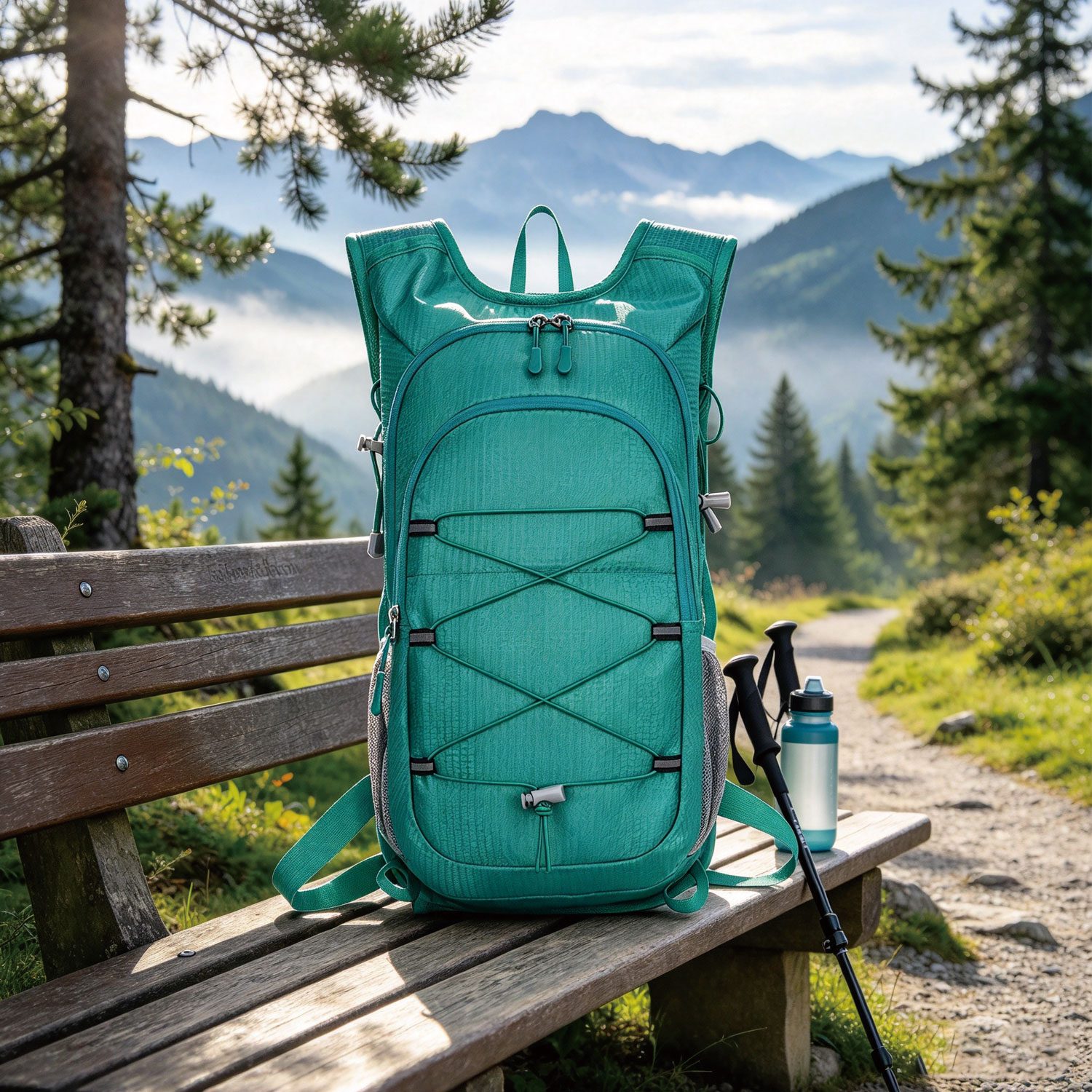
Offering a Custom Trail for Backpack Evaluation
At SYMPATHYBAG, the evaluation of backpack samples follows a detailed and methodical process tailored to meet specific customer requirements. Initially, buyers should provide comprehensive specifications, including design sketches, material preferences, intended load capacity, pocket and strap configurations, and any desired hardware specifics. These initial details enable SYMPATHYBAG's design team to develop a prototype that aligns with what the buyer envisions as closely as possible. The aim is to eliminate ambiguities early, ensuring a smoother development phase.
Iterative Development through Feedback Loops
Once a prototype is developed, feedback loops become a critical part of the evaluation process. SYMPATHYBAG engages in iterative discussions with buyers, where feedback on the sample's performance, aesthetics, and functionality is actively sought. This feedback is not only acknowledged but meticulously documented for modification. For instance, if the prototype's fabric requires reinforcement or its compartmental layout needs adjustment, such issues are addressed through subsequent design iterations. The company’s expertise in handling materials like polyester, nylon, and RPET ensures these modifications align closely with performance expectations, making them integral for creating durable and reliable backpacks.
Criteria for Prototype Acceptance
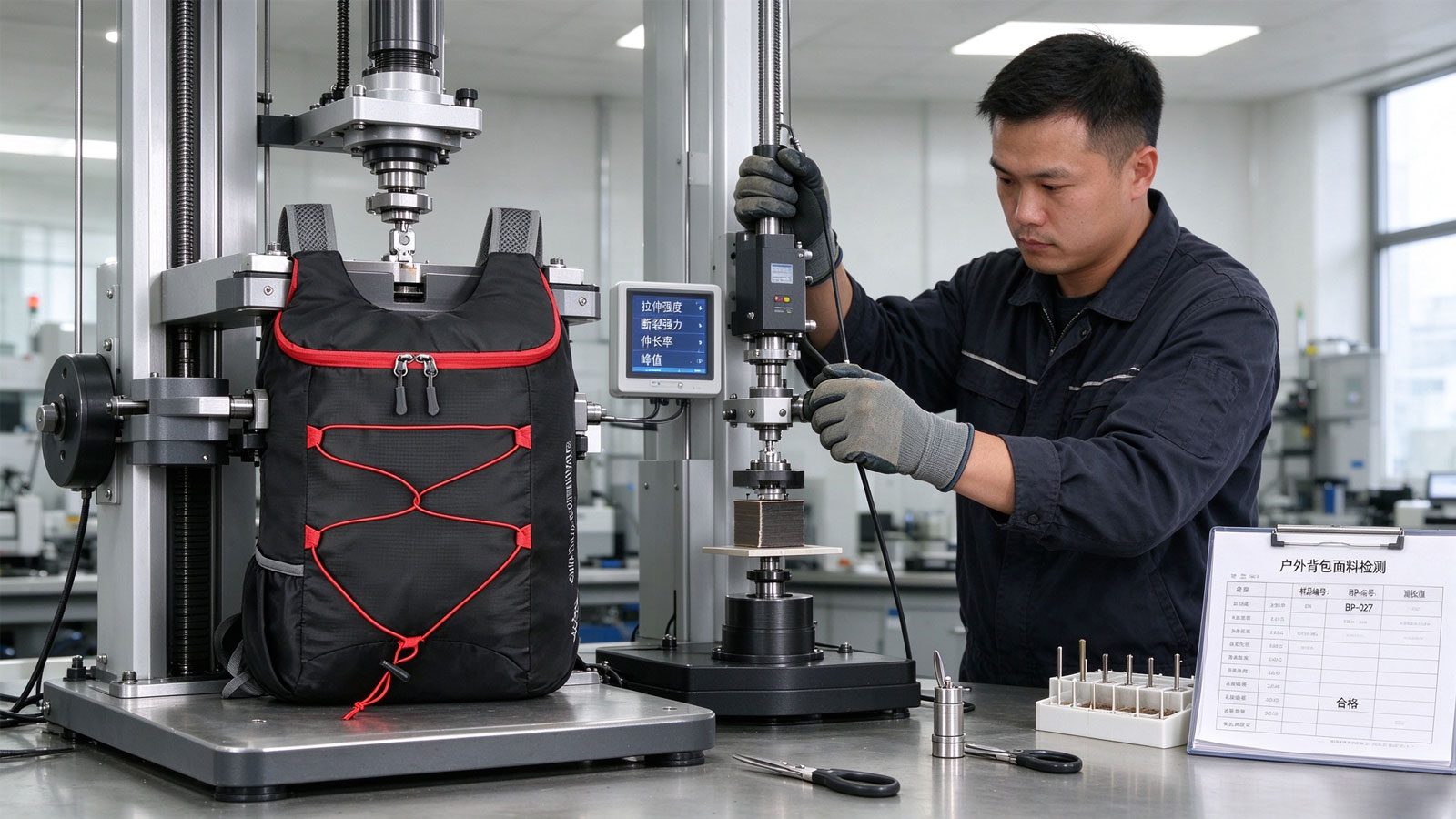
Acceptance of a backpack prototype from SYMPATHYBAG hinges on several stringent criteria. The prototype must meet the agreed specifications in terms of durability, functionality, and ergonomics. Critical assessments like stress testing for load capacity and durability under expected usage conditions are also carried out. The company uses standards like CPSIA and California Prop 65 to ensure compliance with durability and safety regulations. Moreover, ergonomic evaluations ensure that the backpack is comfortable, especially for extended use.
Role of Prototypes in Aligning Expectations
Prototypes play a vital role in aligning the expectations between SYMPATHYBAG and its clients. By translating initial design concepts into tangible products, prototypes allow buyers to visualize and experience their conceptual ideas firsthand. This step reduces potential misunderstandings and sets a clear path forward for modifications, if needed. For more insights into creating rugged yet customizable backpacks, see Rugged Outdoor & Sports Backpacks with Custom Compartments.
In summary, SYMPATHYBAG’s detailed approach to sample evaluation ensures that each backpack not only meets but often exceeds the client's original specifications, providing a reliable trail from concept to final product.
Next Steps in Choosing a Custom Backpack Supplier
Exploring a partnership for custom backpacks often begins with presenting your design or sample to the supplier. Engage in detailed discussions to ensure that your creative vision aligns with the capabilities and constraints of the manufacturer, like SYMPATHYBAG’s in-house R&D. Understanding design compatibility with brand identity is crucial for cohesion. Consider collaboration opportunities that can streamline product development, ensuring seamless transitions from design through to production. By assessing samples and prototypes early, both parties can guarantee that final products will meet expectations and market demands. Look at your sample or spec and expect straight advice from SYMPATHYBAG about feasibility and process alignment.